How to renew trademark registration in India?
A trademark is a distinctive sign, symbol, word, or combination thereof that identifies and differentiates the goods or services of one entity from those of others. In India, trademarks are governed by the Trade Marks Act, 1999, which provides legal protection to registered trademarks and ensures that the owners have exclusive rights to use, license, or sell the mark. The importance of trademarks lies in their ability to build brand identity, foster consumer trust, and prevent market confusion.
In this article, CA Manish Mishra talks about trademark renewal process in India.
Validity Period of a Registered Trademark
Upon successful registration, a trademark in India is valid for ten years from the date of application. To maintain continuous protection, it is imperative to renew the trademark before the expiration of this period. Timely renewal ensures that the trademark remains enforceable, safeguarding the owner's rights and preventing potential legal complications.
Trademark Renewal Process
- When to Initiate the Renewal
The renewal process should ideally commence six months before the trademark's expiration date. The Registrar of Trademarks typically sends a reminder to the registered proprietor regarding the upcoming expiration. However, it is advisable not to rely solely on this reminder and to proactively monitor the renewal timeline.
- Steps Involved in Renewal
-
Application Submission: File the renewal application using Form TM-R, either online through the official portal of the Indian Patent Office or via physical submission.
-
Fee Payment: Pay the prescribed renewal fee, which varies depending on the mode of filing.
-
Acknowledgment: Upon successful submission and payment, an acknowledgment receipt is generated.
-
Examination and Approval: The Trademark Registry examines the application for compliance. If all requirements are met, the renewal is approved.
-
Publication: The renewed trademark is then published in the Trademark Journal, confirming its active status for another ten years.
- Required Documentation
-
A copy of the registration certificate.
-
Proof of identity and address of the applicant.
-
Power of Attorney if the application is filed by an authorized representative.
Read our article on IPR Types and Trademark Registration Online.
Forms and Fees for Renewal
- Form TM-R: Application for Renewal
Form TM-R is the prescribed form for renewing a registered trademark. It can be filed by the registered proprietor or an authorized agent. The form requires details such as the trademark registration number, class of goods or services, and applicant information.
- Government Fees for Physical and E-filing
-
Physical Filing: ₹10,000 per class.
-
E-filing: ₹9,000 per class.
These fees are subject to change, and it is advisable to consult the latest fee structure on the official website of the Intellectual Property India.
Consequences of Non-Renewal
- Removal from the Register
If a trademark is not renewed within the stipulated time, the Registrar has the authority to remove it from the register. Prior to removal, a notice is published in the Trademark Journal indicating the intention to remove the trademark due to non-renewal.
- Loss of Legal Protection
Once removed, the trademark loses all legal protection. The proprietor can no longer claim exclusive rights, making the mark vulnerable to unauthorized use by others, which can dilute the brand's identity and value.
Restoration of Removed Trademarks
- Time Frame for Restoration
If a trademark has been removed due to non-renewal, the proprietor can apply for its restoration within one year from the date of expiration of the last registration.
- Procedure and Associated Fees
-
Application Submission: File Form TM-R along with the restoration fee.
-
Fees: An additional surcharge is applicable over the standard renewal fee.
-
Examination and Approval: The Registrar reviews the application, and upon satisfaction, restores the trademark, extending its validity for another ten years.
Benefits of Renewing a Trademark
- Continuous Legal Protection
Renewal ensures uninterrupted legal protection, allowing the proprietor to enforce rights against infringement and unauthorized use.
- Prevention of Infringement
A renewed trademark continues to provide legal grounds to challenge and prevent unauthorized use of the mark by competitors or third parties. This ensures the brand's exclusivity and reputation are safeguarded.
- Licensing and Assignment Opportunities
Trademark renewal preserves the commercial value of the mark, allowing the owner to explore licensing or assignment opportunities. Renewed trademarks can be monetized, creating additional revenue streams
Role of the Registrar in the Renewal Process
- Issuance of Renewal Reminders
The Registrar of Trademarks plays a crucial role by sending renewal reminders to the registered proprietor six months before the expiration of the trademark. This ensures the proprietor has sufficient time to prepare the renewal application.
- Publication in the Trademark Journal
Upon approval of the renewal application, the Registrar publishes the renewed trademark in the Trademark Journal. This public acknowledgment serves as proof of the trademark’s active status for another ten years.
Common Mistakes to Avoid During Renewal
- Missing Deadlines
Failure to initiate the renewal process on time can lead to additional fees or removal of the trademark from the register. Keeping track of renewal deadlines is essential for uninterrupted protection.
- Inaccurate Information Submission
Submitting incorrect or incomplete information in the renewal application can result in delays or rejection. Cross-check all details before filing the application to avoid complications.
Legal Provisions Related to Trademark Renewal
- Section 25 of the Trade Marks Act, 1999
This section outlines the validity period of trademarks and the procedure for their renewal. It mandates that trademarks must be renewed every ten years to retain legal protection.
- Relevant Rules from the Trade Marks Rules, 2017
The Trade Marks Rules, 2017, provide detailed guidelines regarding forms, fees, and deadlines for trademark renewal and restoration. These rules simplify the renewal process and ensure uniformity.
Importance of Professional Assistance
- Role of Trademark Attorneys
Trademark attorneys specialize in managing the renewal process efficiently, ensuring compliance with legal requirements. They help avoid errors and provide expert advice on trademark-related matters.
- Benefits of Expert Guidance
Professional assistance minimizes the risk of missing deadlines or submitting inaccurate information. Attorneys also help in managing complex cases, such as restoration or disputes, ensuring the proprietor's interests are protected.
FAQs on Trademark Renewal
How often should a trademark be renewed?
A trademark must be renewed every ten years from the date of registration or the last renewal.
What happens if a trademark is not renewed on time?
If a trademark is not renewed, it may be removed from the register, and the proprietor loses exclusive rights over the mark.
Can a lapsed trademark be restored?
Yes, a lapsed trademark can be restored within one year of its expiration by filing the appropriate restoration application and paying the prescribed fee.
What are the costs involved in trademark renewal?
The renewal fee is ₹10,000 for physical filing and ₹9,000 for e-filing. Restoration involves additional surcharges.
Is it possible to make changes to a trademark during renewal?
No, the renewal process does not allow changes to the trademark itself. Changes require a separate modification application.
How can one check the status of a trademark renewal application?
The status can be checked online through the official website of the Indian Trademark Registry by entering the application or registration number.



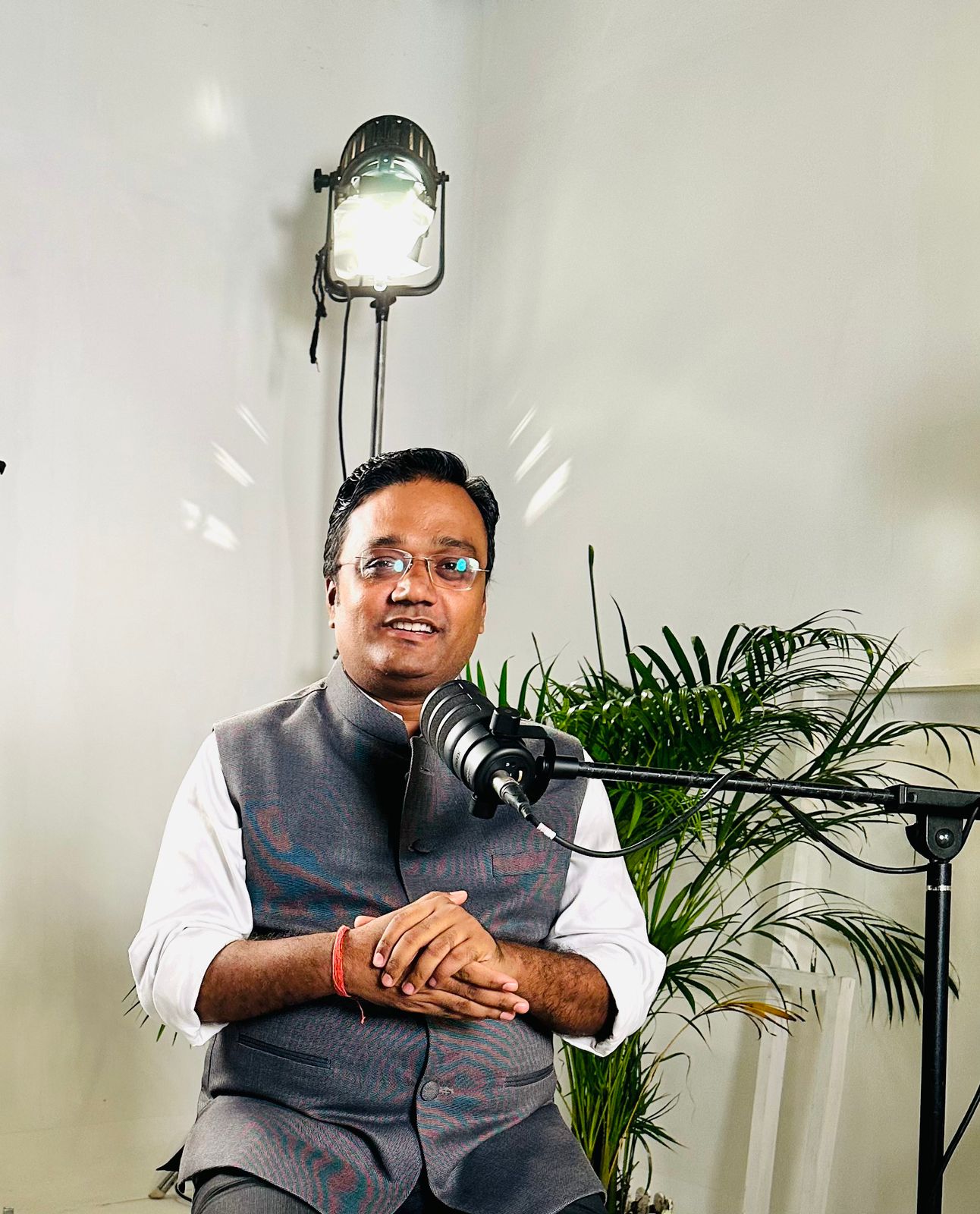 CA Manish Mishra