Search GrowthX Learning Content


Acquihire Advisory: What Founders Should Know Before Signing the Deal

Acquihire has become an increasingly common route for founders looking to exit ventures that, while lacking in scale or market traction, have built highly capable teams. An acquihire merging the concepts of “acquisition” and “hire” allows a company to acquire another primarily for its workforce, rather than its products or technology. Though it may appear straightforward, an acquihire is far more than just a hiring transaction.
For founders, it involves critical decisions around valuation, intellectual property, employment terms, and compliance with corporate, tax, and regulatory laws.
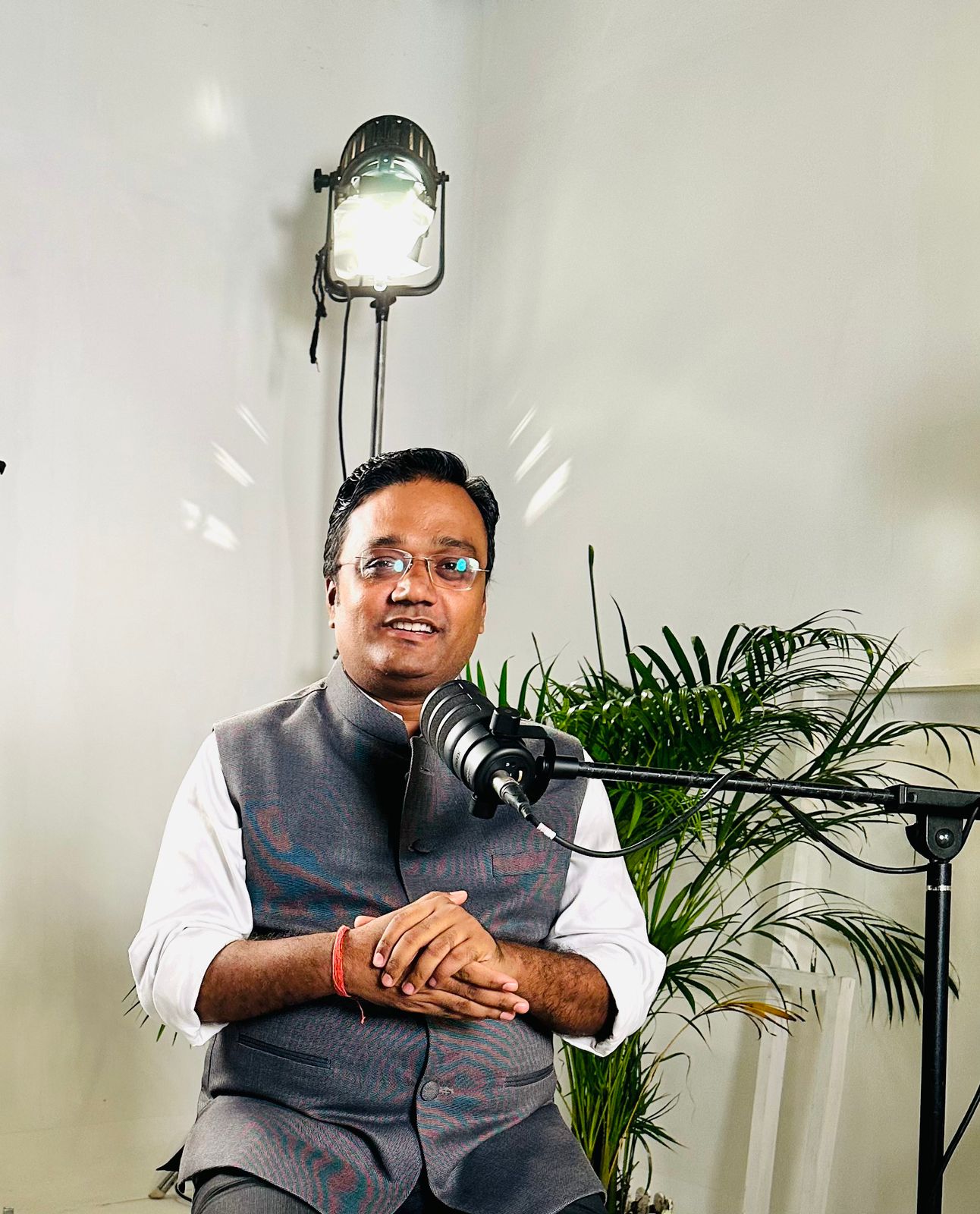
In this article, CA Manish Mishra talks about Acquihire Advisory: What Founders Should Know Before Signing the Deal.
Acquihire: Strategic Purpose and Deal Dynamics
Unlike conventional mergers and acquisitions, acquihires are talent-centric transactions. Acquiring entities often larger tech companies or well-funded startups use this model to onboard skilled developers, designers, or domain experts. The startup’s IP, customer base, or revenues may not be the focus. For founders, an acquihire typically means winding down their existing operations and transitioning with their team into the acquirer’s organization, either with or without a leadership role. These deals are often structured as asset sales, share purchases, or employment agreements bundled with consideration payouts, depending on the goals of both parties.
Legal Structuring of an Acquihire Deal in India
Acquihire deals are not governed by a single codified law in India but involve multiple statutes and contractual considerations. Some of the most relevant legal aspects include:
Companies Act, 2013
-
If the transaction involves the transfer of assets or shares, it may require Board and shareholder approval under Section 179 and Section 180 of the Act.
-
For startups structured as private limited companies, compliance with provisions related to transfer of shares (Section 56) and valuation of shares (Rule 11UA of Income Tax Rules) is essential.
-
Filings such as MGT-7, SH-4 (for share transfer) or PAS-3 (for allotment) may be triggered depending on the nature of the transaction.
Labour and Employment Law Compliance
-
Founders must ensure smooth termination or transition of employment contracts under the Industrial Disputes Act, 1947 and Shops and Establishments Acts applicable in the respective state.
-
Proper settlement of dues, gratuity, PF, and leave encashments must be done for any employees not retained by the acquirer.
-
Employment agreements with the acquirer often include non-compete, non-solicit, confidentiality clauses, and probation terms, which should be reviewed carefully.
Contractual Obligations and IP Transfer
-
In many acquihire deals, the acquiring company may request assignment of intellectual property rights (such as codebase, prototypes, or trade secrets) to ensure team continuity.
-
If IP was created under the original startup, founders must verify if it was properly assigned to the company and if such transfer is permissible under the startup’s charter documents or shareholder agreements.
-
Employment contracts and NDAs with existing employees should be reviewed to ensure they allow for such transition and do not contain conflicting clauses.
Income Tax Act, 1961
-
The consideration received by the founders in exchange for equity shares or asset transfers will attract capital gains tax under Section 45.
-
If the acquihire includes employment-linked payouts, it may be taxed under salary income, and TDS provisions under Section 192 may apply.
-
ESOPs granted by the acquirer as part of the acquihire compensation package will be taxed under Section 17(2) as perquisites at the time of exercise and under capital gains upon sale.
FEMA Regulations (If Foreign Company is the Acquirer)
-
If the acquiring entity is a non-resident or foreign company, compliance with FEMA (Non-Debt Instrument) Rules, 2019 is essential.
-
Share transfers from resident founders to foreign companies must be priced as per RBI valuation norms and reported via Form FC-TRS on the RBI FIRMS portal.
-
Sectoral caps and approval routes must be verified before execution, particularly in sectors like fintech, telecom, and defense.
Key Clauses Founders Must Review in Acquihire Agreements
An acquihire transaction typically involves multiple legal documents, including a term sheet, acquisition agreement, employment agreement, and IP assignment deed. Founders must pay close attention to the following:
-
Consideration Structure: Whether payment is made in cash, stock options, deferred milestones, or a mix. Deferred payouts should be backed by clear performance metrics and payment timelines.
-
Employment Terms: Role offered in the acquirer’s team, vesting of new ESOPs, probationary period, and grounds for termination must be evaluated carefully.
-
Non-Compete and Non-Solicitation Clauses: These may restrict the founder from starting or joining a similar business or soliciting former team members. Founders must ensure such clauses are reasonable in scope and duration.
-
Transition Obligations: Founders may be required to assist in team integration, knowledge transfer, or winding down of existing operations.
-
Liability and Indemnity: Clauses related to representations, warranties, and indemnification must be scrutinized to avoid post-deal liability.
ESOPs and Acquihires: Special Considerations
If the startup already had an ESOP scheme, the treatment of unvested or vested ESOPs should be clearly defined in the acquihire agreement. Key considerations include:
-
Define Treatment of Vested and Unvested ESOPs: Clearly state in the acquihire agreement whether existing ESOPs will be bought back, cancelled, or converted into the acquiring company’s stock options.
-
ESOP Buyback or Conversion Options: Decide if the ESOPs will be monetized via a buyback or swapped for new stock grants under the acquirer’s ESOP policy.
-
Tax Implications under Section 17(2): ESOPs exercised by employees are treated as perquisites and taxed accordingly. The employer must deduct TDS on the value of shares allotted.
-
Vesting Schedule and Rollover Clarity: Outline if existing vesting schedules will continue, reset, or accelerate. Include details of cliff periods, continued service requirements, and future grants.
-
Review Post-Exit Employee Benefits: Clarify entitlements such as bonuses, retention payouts, or severance linked to ESOPs in the new employment terms.
-
DPIIT-Recognized Startups and ESOP Tax Deferral (Section 80-IAC): Employees of eligible startups can defer tax on ESOPs to the point of share sale or 5 years post-allotment, whichever is earlier a key advantage in negotiations.
Startup Closure Post-Acquihire
-
Cease Operations Post-Integration: After an acquihire, the startup typically stops operating independently, as the team and resources are absorbed by the acquiring company.
-
Strike-Off under Section 248 of Companies Act: If the company has no outstanding liabilities, it can apply for closure through strike-off by filing Form STK-2 with necessary resolutions and documents.
-
Voluntary Liquidation under Section 59 of IBC: If there are unsettled debts or ongoing obligations, the startup must follow the voluntary liquidation process under the Insolvency and Bankruptcy Code, 2016.
-
Mandatory Filings Required: Closure requires submitting board and shareholder resolutions, auditor’s certificate, and regulatory forms depending on the method of winding up.
-
Clear All Statutory Dues: Ensure payment and filing of all pending GST, TDS, PF/ESI contributions, and ROC filings before applying for closure to avoid penalties and future liability.
Recent Trends and Regulatory Updates
-
RBI’s 2023 Circular on Cross-Border Share Transfers: RBI has enforced stricter rules for pricing shares transferred between residents and non-residents. Companies must adhere to fair valuation norms and submit Form FC-TRS within the specified timeline to avoid penalties and ensure compliance.
-
SEBI’s ESOP Policy Revisions (2022–23): SEBI introduced flexibility in ESOP vesting schedules, allowing customized terms for transitioning employees. This is particularly useful in acquihire deals, enabling smoother integration of teams with new stock options and minimizing disruptions in employee compensation plans.
-
MCA Simplification under Startup India Reforms: The MCA has simplified the strike-off and voluntary closure process for startups and small companies. This reduces the compliance burden during post-acquihire winding-up, allowing founders to formally close operations faster and with fewer regulatory hurdles.
Conclusion
Acquihire may appear simpler than a full-fledged acquisition, but it involves several legal complexities and strategic trade-offs. Founders must not treat it as just a hiring transaction but rather as a corporate restructuring event with significant implications. A well-negotiated deal should protect the founder’s financial interests, clarify employment obligations, preserve team morale, and ensure regulatory compliance. Engaging experienced legal, tax, and compliance advisors at the negotiation stage can help founders navigate the nuances of FEMA regulations, capital gains tax, employment laws, and company closure procedures effectively. In the end, the success of an acquihire lies not just in the deal value, but in how smoothly the people, purpose, and processes are transitioned.
Frequently Asked Questions (FAQs)
Q1. What is an acquihire deal?
Ans. An acquihire is a type of acquisition where a company is acquired mainly for its team or talent, rather than its products, services, or technology. The primary focus is hiring the startup's employees, often resulting in the closure of the original business.
Q2. How is an acquihire different from a traditional acquisition?
Ans. In a traditional acquisition, the acquiring company seeks to gain assets, products, intellectual property, and market share. In contrast, an acquihire focuses on absorbing the startup’s workforce and may not involve purchasing the business's core assets or IP.
Q3. What legal documents are involved in an acquihire?
Ans. Typical documents include a term sheet, acquisition or asset purchase agreement, employment agreements, IP assignment deed, and non-compete/non-solicit agreements. These define the structure, compensation, transition, and post-deal obligations.
Q4. What happens to the startup post-acquihire?
Ans. In most cases, the startup ceases independent operations. The entity is either struck off under Section 248 of the Companies Act, 2013 or closed through voluntary liquidation under Section 59 of the IBC, 2016, depending on its financial liabilities.
Q5. Are there any tax implications for founders in an acquihire?
Ans. Yes, any consideration received cash, shares, or bonuses may be subject to capital gains tax or salary income tax under the Income Tax Act, depending on how the transaction is structured.
Q6. How are employee ESOPs handled in an acquihire?
Ans. ESOPs may be bought back, cancelled, or converted into the acquiring company’s stock options. Tax implications under Section 17(2) must be considered, and vesting schedules may be reset post-transition.
- 25 Jul, 2025
 CA Manish Mishra
- Easing Finance
CA Manish Mishra is the Co-Founder & CEO at GenZCFO. He is the most sought professional for providing virtual CFO services to startups and established businesses across diverse sectors, such as retail, manufacturing, food, and financial services with over 20 years of experience including strategic financial planning, regulatory compliance, fundraising and M&A.