Search GrowthX Learning Content


Audit Committee Oversight in Financial Institutions

Audit Committee oversight is a key element of corporate governance in financial institutions such as banks, NBFCs, and listed entities. Since these institutions handle public funds and operate in a highly regulated environment, strong supervision is necessary to ensure financial integrity and accountability. The Audit Committee, formed within the Board of Directors, acts as an independent body that reviews financial statements, monitors internal controls, and ensures that the organization complies with regulatory requirements. Its presence strengthens transparency and helps prevent financial misstatements or irregularities.
Over time, the role of the Audit Committee has expanded significantly beyond traditional financial review. It now plays an active role in overseeing risk management systems, detecting fraud, and promoting a strong compliance culture within the organization. Additionally, it addresses emerging areas such as cybersecurity risks and ESG reporting, ensuring that institutions adapt to modern challenges. By performing these functions effectively, the Audit Committee enhances stakeholder confidence and contributes to the overall stability of the financial system.
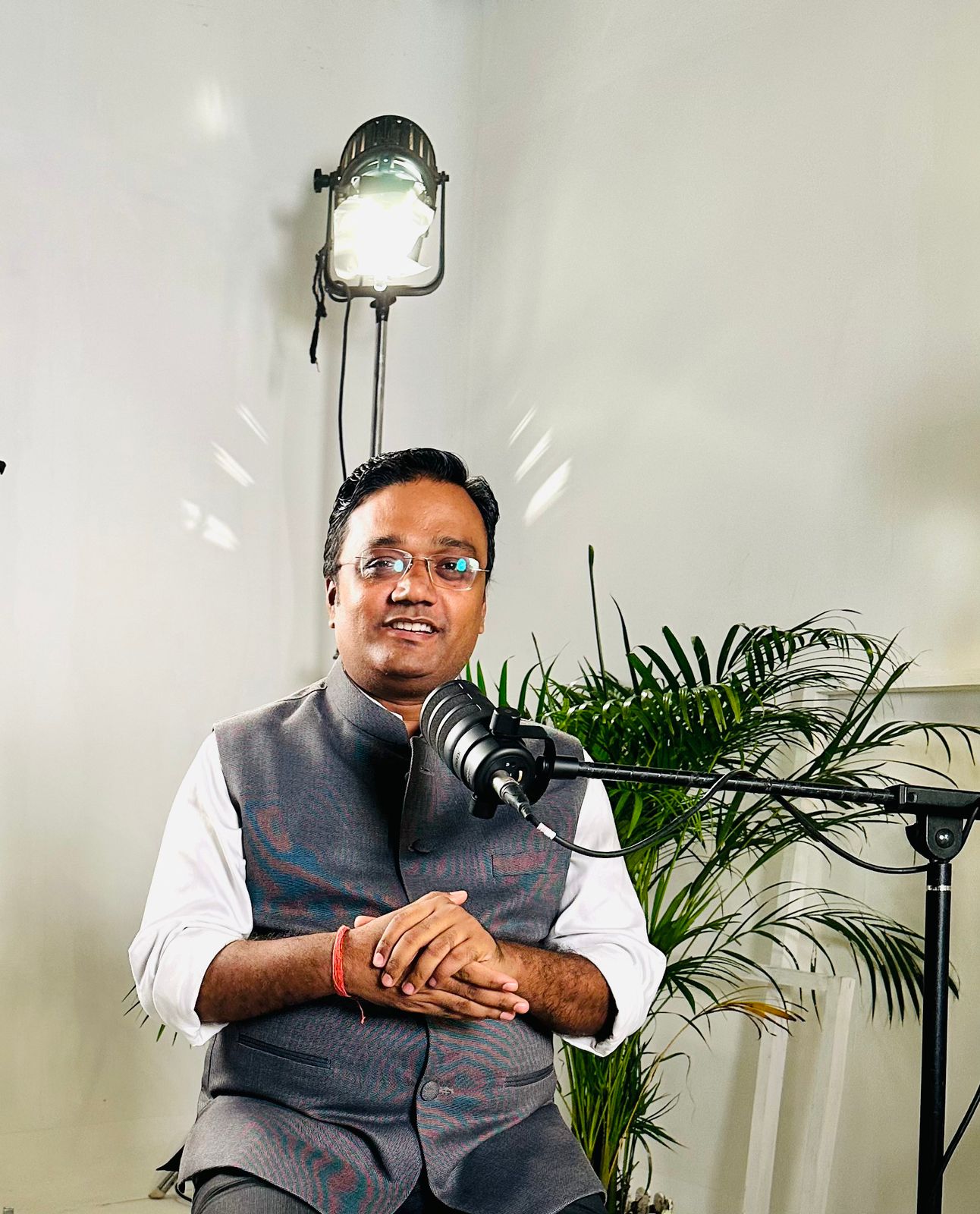
In this article, CA Manish Mishra talks about Audit Committee Oversight in Financial Institutions.
Legal Structure Governing Audit Committees
Companies Act, 2013 – Section 177
Section 177 of the Companies Act, 2013 mandates the constitution of an Audit Committee for listed companies and certain classes of public companies. The law requires that the Committee consist of at least three directors, with a majority being independent directors to ensure unbiased decision-making. Members must also be financially literate so that they can understand and analyze financial statements and audit reports effectively.
The responsibilities under this section are extensive. The Audit Committee recommends the appointment and remuneration of auditors, which helps ensure auditor independence. It reviews financial statements before they are presented to the Board, ensuring compliance with accounting standards and accurate disclosures. The Committee also approves related party transactions, preventing conflicts of interest and misuse of company resources. Additionally, it evaluates internal financial controls and risk management systems, ensuring that proper safeguards exist against fraud and operational failures. Its authority to investigate matters and access records further strengthens its role as a governance watchdog.
SEBI (LODR) Regulations, 2015 – Regulation 18
For listed financial institutions, Regulation 18 of the SEBI (LODR) Regulations imposes stricter governance requirements to protect investors. It mandates that the Audit Committee must consist of non-executive directors, with a majority being independent, and at least one member must have financial expertise. The Chairperson must also be an independent director, ensuring strong and impartial leadership.
The Committee’s role under SEBI regulations is more detailed and disclosure-oriented. It reviews quarterly and annual financial results before they are disclosed to the stock exchanges, ensuring transparency and accuracy. It monitors the independence and performance of auditors, ensuring that audits are conducted fairly and without bias. The Audit Committee also oversees internal audit systems and reviews compliance with regulatory requirements. These responsibilities ensure that investors receive reliable financial information and that the company adheres to high governance standards.
RBI Guidelines for Banks and NBFCs
The Reserve Bank of India has issued specific guidelines for financial institutions, emphasizing the importance of the Audit Committee of the Board (ACB). These guidelines apply particularly to banks and systemically important NBFCs, which have a significant impact on the financial system.
The Audit Committee under RBI norms is responsible for overseeing financial reporting, ensuring compliance with prudential norms, and reviewing asset classification and provisioning. This is especially important in lending institutions, where incorrect classification of loans can distort financial health. The Committee also evaluates risk management systems, covering credit risk, market risk, and operational risk. It supervises internal and concurrent audits, ensuring continuous monitoring of financial transactions. Additionally, it ensures compliance with regulatory requirements such as KYC and anti-money laundering norms, thereby strengthening the institution’s overall governance framework.
Role and Responsibilities of Audit Committees
Financial Reporting Oversight
One of the primary functions of the Audit Committee is to ensure that financial statements present a true and fair view of the institution’s financial position. It reviews accounting policies, estimates, and disclosures made by management, ensuring they comply with applicable standards. This function is critical in financial institutions, where complex transactions and large volumes of data increase the risk of errors or manipulation. By carefully reviewing financial reports before Board approval, the Committee helps maintain credibility and transparency.
Internal Control and Risk Management
The Audit Committee plays a key role in evaluating internal control systems that safeguard assets and prevent fraud. It ensures that proper procedures are in place for financial reporting, operations, and compliance. The Committee also reviews the risk management framework to ensure that risks are identified, assessed, and mitigated effectively. In financial institutions, where exposure to credit and market risks is high, this function is particularly important. Strong internal controls and risk management systems help maintain financial stability and reduce the likelihood of losses.
Auditor Oversight
The Audit Committee is responsible for overseeing the work of internal and external auditors. It recommends their appointment, evaluates their independence, and reviews their performance. The Committee also examines audit reports and ensures that management takes corrective actions on any issues identified. Regular interaction with auditors, including meetings without management, allows for open communication and strengthens the audit process. This ensures that audits remain objective and effective.
Compliance and Regulatory Oversight
Ensuring compliance with legal and regulatory requirements is another critical responsibility of the Audit Committee. It monitors adherence to the Companies Act, SEBI regulations, and RBI guidelines, and reviews compliance reports submitted by management. The Committee also ensures that any observations made by regulators are addressed promptly. This function helps institutions avoid penalties, maintain credibility, and operate within the legal framework.
Fraud Detection and Whistleblower Mechanism
The Audit Committee oversees systems for detecting and preventing fraud. It reviews fraud reports and ensures that appropriate investigations and corrective actions are taken. The Committee also supervises the whistleblower mechanism, providing a safe platform for employees and stakeholders to report unethical practices. Protecting whistleblowers encourages transparency and helps uncover issues that might otherwise go unnoticed.
Fraud Reporting and Legal Accountability
Section 143(12) of Companies Act, 2013
Under Section 143(12), auditors are required to report frauds to the Central Government after informing the Audit Committee. This provision highlights the Committee’s central role in ensuring accountability and transparency. The Audit Committee must assess the nature of the fraud and ensure that corrective measures are implemented. Failure to exercise proper oversight can lead to legal consequences, making it essential for the Committee to act diligently and proactively.
Recent Developments and Trends
In recent years, the role of Audit Committees has expanded significantly due to evolving regulatory expectations and technological advancements. There is greater emphasis on corporate governance, with stricter disclosure requirements and increased accountability. Audit Committees are now also involved in overseeing ESG reporting, ensuring that institutions address environmental and social risks responsibly.
The adoption of technology has transformed audit processes, with data analytics and automation improving efficiency and accuracy. Audit Committees must oversee these digital systems to ensure their effectiveness. Additionally, cybersecurity has become a major concern, requiring Committees to ensure that adequate safeguards are in place to protect sensitive data and prevent cyber threats.
Conclusion
Audit Committee oversight plays an important role in strengthening corporate governance within financial institutions by ensuring that financial reporting, compliance, and internal controls are properly managed. Supported by a strong legal framework under the Companies Act, SEBI regulations, and RBI guidelines, Audit Committees function as an independent mechanism that promotes transparency and accountability. Over time, their responsibilities have expanded beyond reviewing financial statements to include risk management, fraud prevention, regulatory compliance, and oversight of emerging areas such as cybersecurity and ESG reporting. This shift reflects the increasing complexity of financial operations and the need for continuous monitoring.
By ensuring accurate disclosures, evaluating internal controls, and managing risks effectively, Audit Committees help build investor confidence and maintain financial stability. Their independence and expertise reduce the chances of governance failures and financial misstatements. Strengthening their structure, knowledge, and functioning is essential for long-term sustainability, as it enables financial institutions to remain compliant, reliable, and well-prepared to handle evolving regulatory and business challenges.
Frequently Asked Questions (FAQs)
Q1. What is the purpose of an Audit Committee in financial institutions?
Ans. The Audit Committee ensures financial transparency, accuracy, and regulatory compliance within financial institutions. It reviews financial statements, oversees internal controls, monitors audit functions, and ensures adherence to laws. It acts as an independent body protecting stakeholder interests and strengthening corporate governance practices.
Q2. Is it mandatory to have an Audit Committee in all companies?
Ans. No, an Audit Committee is not mandatory for all companies. It is required for listed companies and certain public companies under Section 177. However, financial institutions like banks and NBFCs must constitute it due to regulatory requirements imposed by authorities like RBI.
Q3. What is the role of the Audit Committee under RBI guidelines?
Ans. Under RBI guidelines, the Audit Committee oversees financial reporting, internal audit systems, and regulatory compliance. It ensures adherence to prudential norms, monitors asset classification, reviews risk management systems, and strengthens governance practices within banks and NBFCs to maintain financial discipline.
Q4. Who can be a member of the Audit Committee?
Ans. Audit Committee members must be directors of the company, with a majority being independent directors. They should possess financial knowledge and the ability to understand financial statements. This ensures that decisions are unbiased and based on proper financial understanding.
Q5. How does the Audit Committee ensure auditor independence?
Ans. The Audit Committee ensures auditor independence by reviewing their appointment, remuneration, and performance. It prevents conflicts of interest and ensures auditors work objectively. Regular meetings and independent discussions with auditors further strengthen transparency and credibility of the audit process.
Q6. What is the importance of Section 143(12) in audit oversight?
Ans. Section 143(12) requires auditors to report frauds to the Central Government after informing the Audit Committee. This ensures timely detection of fraud and strengthens accountability. It places responsibility on the Audit Committee to monitor and respond to financial irregularities effectively.
Q7. How often should the Audit Committee meet?
Ans. Audit Committees typically meet at least four times a year, especially in listed entities. Regular meetings help review financial results, audit findings, and compliance status. Frequent interactions ensure continuous monitoring and timely decision-making on critical financial and governance matters.
Q8. What challenges do Audit Committees face?
Ans. Audit Committees face challenges such as complex regulatory requirements, ensuring independence from management, and lack of expertise in emerging areas like cybersecurity. They must also manage high-risk environments in financial institutions, requiring continuous learning and proactive oversight strategies.
Q9. What is the role of the Audit Committee in fraud prevention?
Ans. The Audit Committee oversees fraud detection systems and ensures proper investigation of reported cases. It monitors internal controls, reviews fraud reports, and ensures corrective actions are taken. It also supervises whistleblower mechanisms to promote ethical practices within the organization.
Q10. Why is Audit Committee oversight important for investors?
Ans. Audit Committee oversight ensures that financial statements are accurate and transparent, helping investors make informed decisions. It reduces risks of fraud and mismanagement, builds trust, and enhances the credibility of financial institutions in the eyes of stakeholders and the market.
- 31 Mar, 2026
 CA Manish Mishra
- Easing Finance
CA Manish Mishra is the Co-Founder & CEO at GenZCFO. He is the most sought professional for providing virtual CFO services to startups and established businesses across diverse sectors, such as retail, manufacturing, food, and financial services with over 20 years of experience including strategic financial planning, regulatory compliance, fundraising and M&A.