Search GrowthX Learning Content


AYUSH License for Herbal and Ayurvedic Products

India is known worldwide for its traditional medicinal systems, especially Ayurveda, Yoga, Unani, Siddha, and Homeopathy—collectively known as AYUSH. As more consumers turn toward natural and alternative healing systems, businesses dealing in Ayurvedic and herbal products are growing steadily. To manufacture and sell such products legally in India, an AYUSH license is required under the relevant provisions of the Drugs and Cosmetics Act, 1940.
This article discusses the process of obtaining an AYUSH license, benefits of having one, legal provisions involved, and answers to frequently asked questions.
Legal Framework Governing AYUSH Products
AYUSH products are regulated by the Ministry of AYUSH, Government of India. The manufacture and marketing of Ayurvedic, Siddha, and Unani (ASU) drugs are governed by the Drugs and Cosmetics Act, 1940 and Rules, 1945.
Relevant Provisions:
-
Section 33EEC: Prohibits manufacture and sale of ASU drugs without a license.
-
Rule 151 to 170 of the Drugs and Cosmetics Rules, 1945: Define license conditions for ASU drug manufacturing.
-
Schedule T: Provides guidelines for Good Manufacturing Practices (GMP) specific to Ayurvedic, Siddha, and Unani drugs.
These legal standards are created to promote safety, quality, and transparency in the production of traditional medicines.
Who Needs an AYUSH License?
Any individual or business entity involved in manufacturing Ayurvedic, herbal, Siddha, or Unani products needs to apply for an AYUSH license. This applies to new startups, established herbal product manufacturers, or firms engaged in the repacking of traditional medicines. Retailers and marketers who sell such products under their own brand names through third-party manufacturers also require marketing approvals.
Obtaining the license legally empowers businesses to manufacture and distribute herbal or Ayurvedic products while complying with national and state-level regulatory expectations.
Types of AYUSH Licenses in India
There are multiple types of AYUSH licenses based on the business model. Each has different requirements and application formats:
-
Manufacturing License: For units involved in producing ASU drugs at their own premises.
-
Loan License: For firms without their own manufacturing unit but who wish to manufacture through an approved third-party.
-
Contract/Third-Party Manufacturing License: Common for brand owners who outsource production.
-
Retail and Wholesale License: Required to sell herbal or Ayurvedic medicines commercially.
Each license type requires specific documentation, inspection, and adherence to Schedule T.
Infrastructure Requirements for AYUSH Manufacturing License
To get a manufacturing license, the applicant must set up a facility that fulfills the GMP conditions laid down in Schedule T. This includes specific room areas for raw material storage, quality control, processing, packaging, and finished goods storage. The facility must be clean, pest-free, and constructed with durable, washable materials.
Standard operating procedures (SOPs) for cleanliness, equipment use, and waste management are also required. A minimum area of 1200 square feet is usually required for starting a basic Ayurvedic or herbal medicine production unit.
Qualification of Technical Staff
The AYUSH manufacturing unit must appoint at least one qualified technical person who will oversee production activities. For Ayurvedic drug manufacturing, the person must have a degree in Ayurveda or Pharmacy (Ayurveda) from a recognized institution. In some cases, a diploma in Ayurveda with manufacturing experience may be acceptable.
Their responsibilities include supervising day-to-day production, maintaining batch records, and ensuring quality control. Documentation related to the educational qualifications and experience of the technical staff must be submitted at the time of license application.
Documents Required for AYUSH License
Here’s a list of the most commonly required documents for an AYUSH license application:
-
ID and Address proof of applicant or directors
-
Company or firm registration certificate
-
Site plan and layout of the manufacturing unit
-
Proof of premises ownership or rent agreement
-
List of machinery and equipment
-
Educational qualification and experience certificate of technical staff
-
Product list with ingredients and formulations
-
NOC from Pollution Control Board
-
GMP and COPP certificates (for export)
Each document must be submitted accurately, and incomplete applications may lead to rejection or delays.
Step-by-Step AYUSH License Application Process
Step 1: Register your business entity (Proprietorship, Partnership, LLP, or Private Limited Company).
Step 2: Finalize manufacturing premises and fulfill GMP conditions.
Step 3: Appoint qualified technical staff and get documents ready.
Step 4: Submit the application online via the state AYUSH portal or Drug Licensing Authority.
Step 5: Pay the applicable government fees.
Step 6: The Drug Inspector visits the premises for inspection.
Step 7: On successful inspection and document verification, the license is issued.
This process may take 45 to 90 days depending on the state authority and category of license.
Benefits of Having an AYUSH License
An AYUSH license offers several benefits to entrepreneurs and businesses working in the herbal and Ayurvedic sector. It helps build trust among consumers and stakeholders. With this license, companies are legally permitted to manufacture and market traditional medicines. It also opens the door for participation in government tenders, AYUSH promotional schemes, and export opportunities.
The license adds authenticity to the products and increases acceptability in national and international markets. For startups, it offers long-term sustainability and credibility in a growing segment of health-conscious consumers.
AYUSH Certification for Export (COPP)
For businesses aiming to export Ayurvedic or herbal products, a Certificate of Pharmaceutical Product (COPP) is mandatory. Issued by the State Licensing Authority, this certificate verifies that the product is manufactured as per national quality standards. It is often required by foreign regulatory bodies as proof of quality compliance.
COPP is issued only to manufacturers with GMP certification and a valid manufacturing license. The application process for COPP includes product testing, plant audit, and document submission. Once obtained, it supports export to countries in Asia, Europe, and Africa.
Role of Ministry of AYUSH
The Ministry of AYUSH plays a central role in regulating traditional medicine systems in India. It drafts policy guidelines, promotes scientific research, and facilitates training programs. It has launched various initiatives such as the AYUSH Grid, AYUSH e-learning, and the AYUSH Export Promotion Council.
The Ministry also collaborates with global health organizations and sets up quality standards in partnership with the Pharmacopoeia Commission for Indian Medicine & Homoeopathy (PCIM&H). It works closely with State Licensing Authorities to monitor implementation at the ground level.
Penalty for Manufacturing without an AYUSH License
Manufacturing or selling Ayurvedic or herbal products without a valid license is a punishable offense under the Drugs and Cosmetics Act. Section 33-I mentions imprisonment up to one year or a fine of up to Rs. 20,000 or both, for first-time offenders.
Repeat offenses can attract higher penalties and suspension of business operations. Additionally, the products may be seized and destroyed. Consumers are advised to purchase only licensed products to safeguard their health.
Frequently Asked Questions (FAQs)
- Is AYUSH license mandatory for herbal cosmetics?
If the cosmetic claims therapeutic benefits, then an AYUSH license is required. Regular cosmetic products fall under the CDSCO and BIS regulations.
- What is the validity period of an AYUSH license?
AYUSH licenses are typically valid for 5 years and can be renewed by submitting an application before the expiry.
- Can I manufacture products using a third-party unit?
Yes. A loan or third-party manufacturing license can be used if the unit is GMP certified and has all necessary approvals.
- What is GMP under AYUSH?
GMP stands for Good Manufacturing Practices and is detailed under Schedule T of the Drugs and Cosmetics Rules, 1945. It sets quality and hygiene norms.
- Is it possible to apply for multiple licenses at the same address?
Yes, multiple licenses can be granted if the premises meet the spatial, functional, and operational requirements for each product category.
- Does an AYUSH license cover export of herbal supplements?
No. For exports, you need a COPP and additional approvals from the Drug Licensing Authority and Customs.
- How long does it take to get an AYUSH license?
It usually takes 45–90 days depending on the completeness of documentation and the efficiency of the state licensing office.
- Can I use the AYUSH license to sell products on e-commerce platforms?
Yes, but you must display the license number, adhere to label requirements, and comply with FSSAI or CDSCO rules, depending on the product type.
Conclusion
The demand for Ayurvedic and herbal products is growing both in India and across the world. Having a valid AYUSH license allows entrepreneurs to participate in this flourishing sector with legal confidence and operational clarity. From setting up infrastructure to fulfilling technical requirements, each step is important to start and maintain a compliant herbal product business. With government support, AYUSH licensing opens up strong business prospects, improves product credibility, and ensures consumer trust in traditional medicine.
- 11 May, 2025
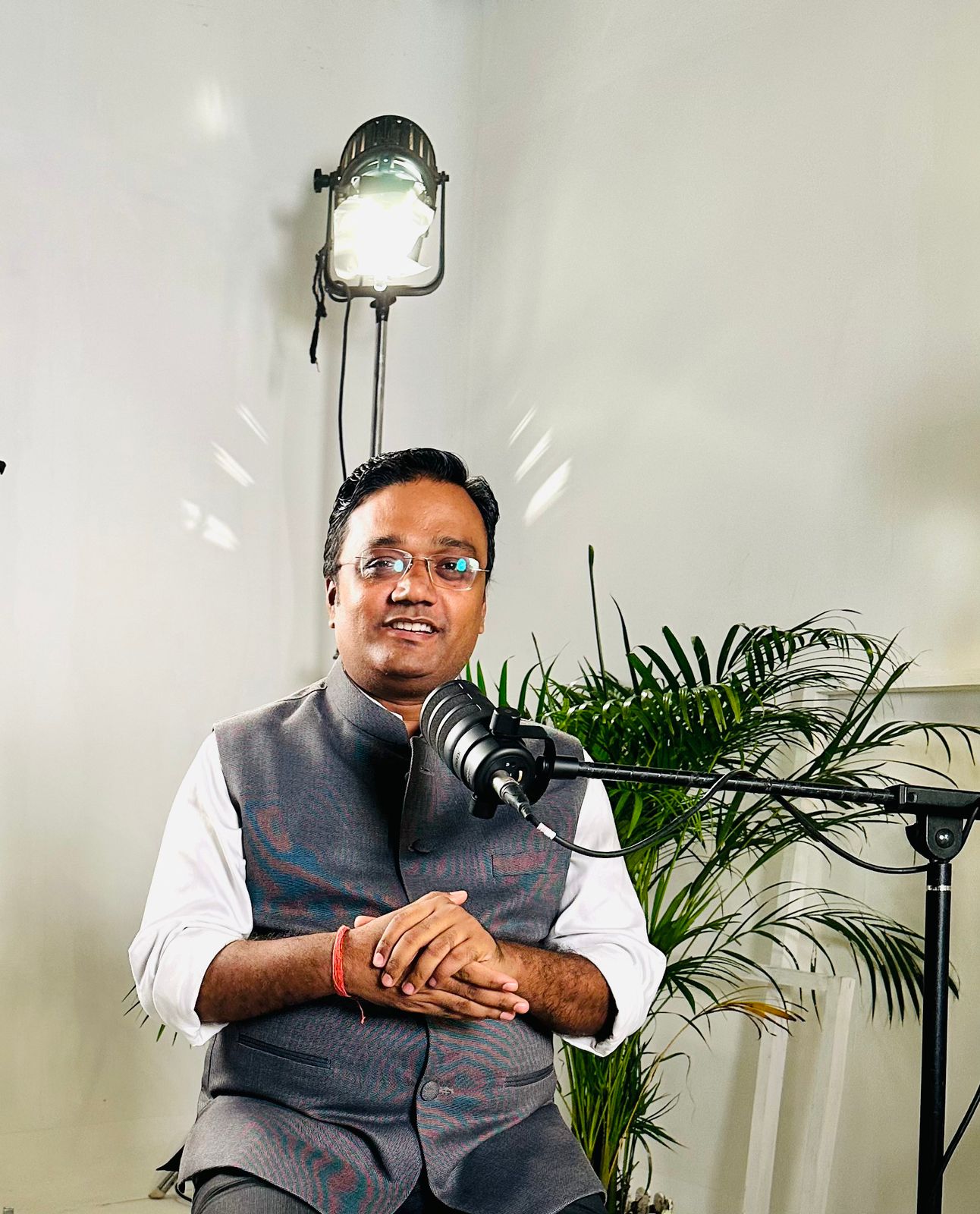 CA Manish Mishra
- Starting Up
CA Manish Mishra is the Co-Founder & CEO at GenZCFO. He is the most sought professional for providing virtual CFO services to startups and established businesses across diverse sectors, such as retail, manufacturing, food, and financial services with over 20 years of experience including strategic financial planning, regulatory compliance, fundraising and M&A.