Search GrowthX Learning Content


AYUSH License in Tripura for Ayurvedic, Homeopathy, and Unani Clinics

India's rich heritage in traditional medicine systems like Ayurveda, Unani, and Homeopathy has been a cornerstone of its healthcare landscape. To ensure the safety, efficacy, and quality of these traditional medicines, the Ministry of AYUSH (Ayurveda, Yoga & Naturopathy, Unani, Siddha, and Homeopathy) mandates that clinics and manufacturers obtain an AYUSH license.
This article talks about acquiring an AYUSH license in Tripura, highlighting the legal frameworks, procedures, and essential information for practitioners and entrepreneurs.
Legal Framework Governing AYUSH Licensing
The primary legislation overseeing the manufacture and sale of Ayurvedic, Unani, and Homeopathic medicines in India is the Drugs and Cosmetics Act, 1940, complemented by the Drugs and Cosmetics Rules, 1945.
-
Chapter IVA of the Act specifically addresses Ayurvedic, Siddha, and Unani drugs, detailing provisions related to their manufacture, sale, and distribution.
In 1940 governs Ayurvedic, Siddha, and Unani drugs, covering standards, licensing, regulation, and penalties for non-compliance. -
Section 33B: Applies the provisions of Chapter IVA to Ayurvedic, Siddha, and Unani drugs. In 1940 states that the provisions of Chapter IVA apply specifically to Ayurvedic,
Siddha, and Unani drugs. It acts as the enabling clause that brings these traditional medicines under the regulatory framework of the Act, ensuring their manufacture, sale,
and distribution are controlled for safety and efficacy.
-
Section 33E to 33O: Outline definitions, standards, and penalties related to misbranded, adulterated, or spurious drugs, and the regulatory mechanisms in place.
-
Rule 158B of the Drugs and Cosmetics Rules, 1945: Specifies the requirements for obtaining a manufacturing license for Ayurvedic, Siddha, and Unani drugs, including the submission of proof of safety and effectiveness.
These provisions ensure that traditional medicines meet standardized criteria, safeguarding public health and maintaining the integrity of these ancient systems.
Types of AYUSH Licenses
Depending on the nature of the business, different types of AYUSH licenses are available:
-
Manufacturing License: For entities that manufacture Ayurvedic, Unani, or Homeopathic medicines in their own facilities.
-
Loan License: For businesses that wish to manufacture products using another manufacturer's facilities, equipment, and technical staff.
-
Retail and Wholesale License: For those involved in the sale and distribution of AYUSH products.
Eligibility Criteria for AYUSH Licensing
To obtain an AYUSH license in Tripura, applicants must meet specific criteria:
-
Premises: The manufacturing unit should be located in an industrial area with a minimum space of 1200 square feet for one product category. Additional space is required for multiple products.
-
Technical Staff: Employment of qualified personnel is mandatory. For instance, Ayurvedic manufacturing units should have at least two Ayurvedic experts and two pharmacists.
-
Good Manufacturing Practices (GMP): The facility must comply with GMP standards, ensuring quality control and hygiene.
-
Equipment: Adequate machinery and equipment for manufacturing and quality testing must be in place.
Application Procedure
-
Documentation: Gather all necessary documents, including:
-
Site layout of the manufacturing facility.
-
Details of manufacturing processes and formulations.
-
Proof of safety and efficacy as per Rule 158B.
-
Details of technical staff qualifications and experience.
-
List of equipment and machinery.
-
Water and HVAC system diagrams.
-
KYC details of the applicant.
-
-
Application Submission: Submit the application along with the required documents to the State Licensing Authority in Tripura.
-
Inspection: The authority will inspect the premises to verify compliance with the stipulated norms.
-
Approval: Upon satisfactory inspection and document verification, the license will be granted.
Validity and Renewal
AYUSH licenses are typically valid for a lifetime, subject to the submission of annual self-compliance declarations. However, the GMP certificate, a prerequisite for the license, must be renewed every five years to ensure continued adherence to quality standards.
Common Challenges and Solutions
-
Documentation Errors: Incomplete or incorrect documentation can lead to delays. It's advisable to consult with experts or legal advisors to ensure accuracy.
-
Infrastructure Compliance: Meeting the infrastructural requirements, especially for GMP, can be challenging. Investing in proper facility design and equipment is crucial.
-
Regulatory Updates: Staying updated with changes in regulations is essential. Regular consultation with the Ministry of AYUSH's official communications can help in this regard.
A. Simplified Licensing and Fee Structure: The Ministry of AYUSH has streamlined the licensing process by introducing a one-time license retention fee of ₹1,000 and a ₹100
fee per product for specific categories. For Homoeopathic medicine manufacturers, the fee is ₹2,000 for any number of single-ingredient medicines and ₹200 per product for
combinations. Additionally, the application fee for obtaining a Good Manufacturing Practices (GMP) certificate is set at ₹5,000.
B. Perpetual License Validity: Licenses now have perpetual validity, contingent upon the submission of a self-declaration every five years and adherence to GMP standards.
C. e-AUSHADHI Portal: The Ministry has established the e-AUSHADHI online portal to streamline the submission of applications for licenses related to ASU and Homoeopathic drugs.
D. Integrative Research Guidelines: The Indian Council of Medical Research (ICMR) announced that AYUSH-approved medicines used in integrative research will not require extra safety trials or preclinical studies. However, non-codified traditional medicines must undergo the entire regulatory approval process.
E. National Regulatory Framework: The Union government plans to establish a national regulatory framework for the AYUSH sector to standardize and strengthen practices across Ayurveda, Yoga, Naturopathy, Unani, Siddha, and Homeopathy.
F. Parliamentary Recommendations: A parliamentary committee has recommended consolidating all AYUSH drug-related standard-setting processes under a single independent drug controller to ensure greater efficiency and uniformity.
Frequently Asked Questions (FAQ)
- Is an AYUSH license mandatory for all traditional medicine practitioners in Tripura?
Yes, any individual or entity involved in the manufacture, sale, or distribution of Ayurvedic, Unani, or Homeopathic medicines must obtain an AYUSH license to operate legally.
- Can I apply for an AYUSH license if I don't own a manufacturing facility?
Yes, you can apply for a Loan License, which allows you to manufacture products using another licensed manufacturer's facilities.
- What is the role of GMP in AYUSH licensing?
Good Manufacturing Practices (GMP) ensure that products are consistently produced and controlled according to quality standards. A GMP certificate is mandatory for obtaining an AYUSH manufacturing license.
- How long does it take to obtain an AYUSH license in Tripura?
The duration can vary based on the completeness of the application and the efficiency of the inspection process. On average, it may take a few weeks to a couple of months.
- Are there any penalties for operating without an AYUSH license?
Yes, operating without a valid AYUSH license can lead to legal actions, including fines and imprisonment, as per the provisions of the Drugs and Cosmetics Act, 1940.
Conclusion
Acquiring an AYUSH license is a crucial step for practitioners and entrepreneurs in the traditional medicine sector in Tripura. It not only ensures compliance with legal standards but also enhances the credibility and trustworthiness of the services offered. At GenZCFO, we help by adhering to the stipulated guidelines and maintaining high-quality standards. AYUSH practitioners can contribute significantly to the healthcare ecosystem while preserving India's rich medicinal heritage.
- 22 Apr, 2025
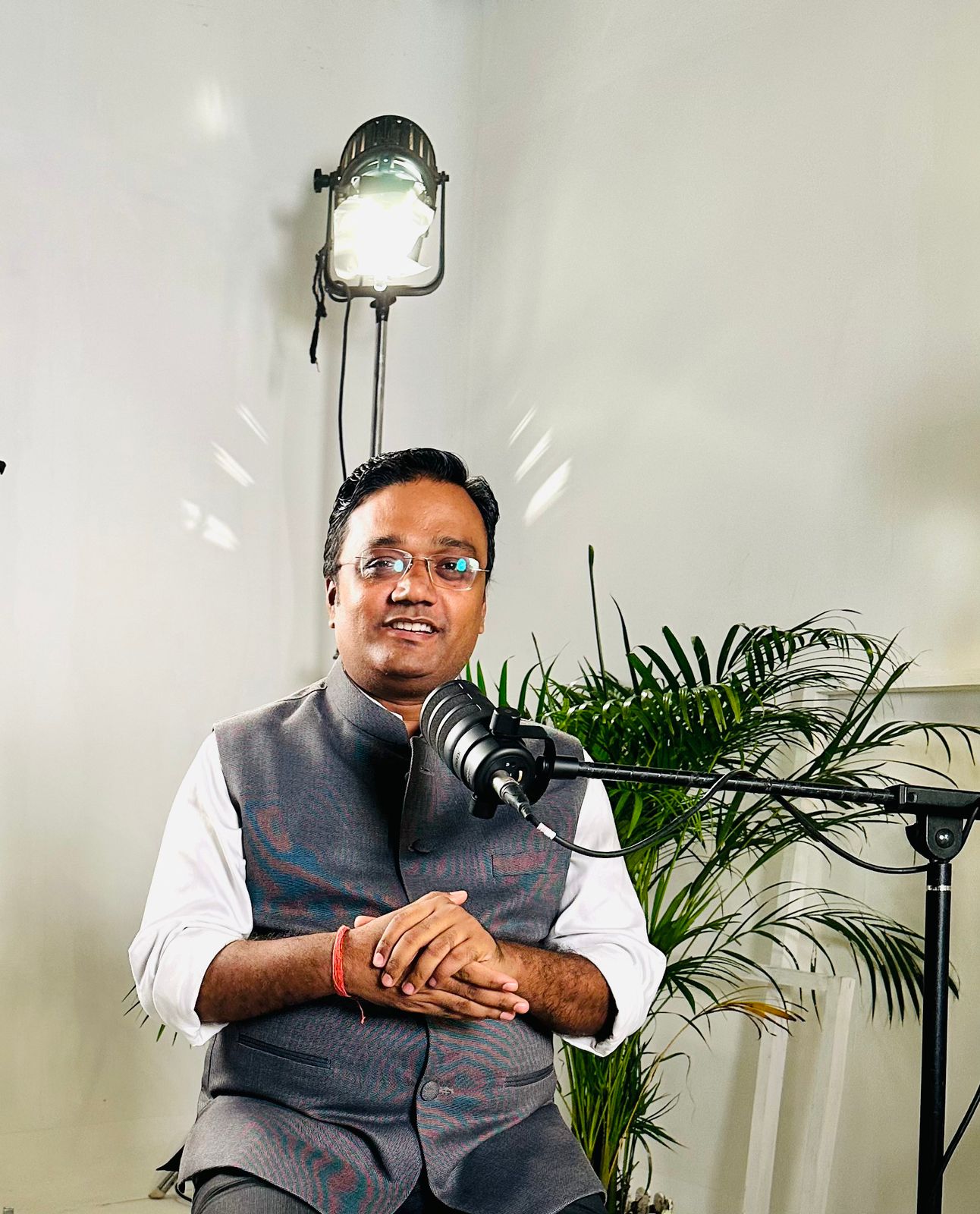 CA Manish Mishra
- CFO Services
CA Manish Mishra is the Co-Founder & CEO at GenZCFO. He is the most sought professional for providing virtual CFO services to startups and established businesses across diverse sectors, such as retail, manufacturing, food, and financial services with over 20 years of experience including strategic financial planning, regulatory compliance, fundraising and M&A.