Search GrowthX Learning Content


Blood Bank and Diagnostic Lab Licensing Process in India

In India, the operation of blood banks and diagnostic laboratories is governed by a structured licensing process to ensure the safety and quality of services provided. This process is regulated under the Drugs and Cosmetics Act, 1940, and the accompanying Drugs and Cosmetics Rules, 1945. The Central Drugs Standard Control Organization (CDSCO), along with State Drug Controllers, oversees the implementation of these regulations.
Blood Bank Licensing in India
- Legal Framework
Blood banks are considered as entities involved in the manufacture of blood and blood products. Therefore, they require a manufacturing license under the Drugs and Cosmetics Act, 1940. The relevant provisions are outlined in Rules 122-G to 122-O of the Drugs and Cosmetics Rules, 1945. Schedule F, Part XII-B and XII-C, specifies the standards for equipment, personnel, and operational procedures that blood banks must adhere to.
Entities eligible to apply for a blood bank license include:
-
Government hospitals
-
Charitable trusts
-
Voluntary organizations
-
Private hospitals
-
The Indian Red Cross Society
The blood bank must be located within the premises of the applicant organization.
- Application Process
The application for a blood bank license involves the following steps:
-
Submission of Application: The applicant must submit Form 27-C along with the prescribed fees to the State Licensing Authority.
-
Documentation: The application should include:
-
Plan of the premises
-
Details of technical staff qualifications and experience
-
List of equipment and machinery
-
Standard Operating Procedures (SOPs)
-
Ownership or tenancy documents
-
Approval from the State Blood Transfusion Council (SBTC)
-
-
Inspection: An inspection is conducted by the Licensing Authority, often in conjunction with experts in the field, to verify compliance with the required standards.
-
Issuance of License: Upon satisfactory inspection, the license is granted in Form 28-C.
- Fees
The fees associated with the application are as follows:
-
License fee: ₹6,000
-
Inspection fee: ₹1,500
In case of renewal after expiry, additional fees may apply.
Validity and Renewal
The blood bank license is valid for five years from the date of issuance. Renewal applications should be submitted before the expiry of the license to avoid additional fees.
Recent Developments
The Drugs Controller General of India (DCGI) has digitized the blood bank licensing process, reducing the approval time from over a year to a maximum of four months. This digital transformation has streamlined the application and approval process, enhancing efficiency.
Diagnostic Laboratory Licensing in India
- Regulatory Framework
Diagnostic laboratories fall under the purview of the Clinical Establishments (Registration and Regulation) Act, 2010, and the National Accreditation Board for Testing and Calibration Laboratories (NABL) standards. While the Clinical Establishments Act provides a framework for registration, NABL accreditation ensures quality and competence in laboratory testing.
- Eligibility and Accreditation
Any individual or organization intending to operate a diagnostic laboratory must:
-
Register under the Clinical Establishments Act, if applicable in the state
-
Comply with the minimum standards set by the Act
-
Seek NABL accreditation to demonstrate technical competence
- Application Process
-
Registration: Apply for registration under the Clinical Establishments Act through the respective State Health Department.
-
NABL Accreditation:
-
Submit an application to NABL with details of the laboratory's scope of testing.
-
Undergo a pre-assessment and final assessment by NABL assessors.
-
Implement corrective actions for any non-conformities identified.
-
Receive accreditation upon successful compliance.
-
- Documentation
The following documents are typically required:
-
Proof of ownership or lease agreement of premises
-
Details of qualified technical staff
-
List of equipment and calibration certificates
-
Quality manual and SOPs
-
Waste disposal management plan
- Fees
The fees for registration and accreditation vary based on the scope of services and the size of the laboratory. Applicants should refer to the respective state health department and NABL for detailed fee structures.
Validity and Renewal
NABL accreditation is typically valid for two years, after which laboratories must apply for renewal. Continuous compliance with NABL standards is essential for maintaining accreditation.
Frequently Asked Questions (FAQ)
- Is a license mandatory to operate a blood bank in India?
Yes, operating a blood bank without a valid license is an offense under the Drugs and Cosmetics Act, 1940.
- What are the minimum space requirements for a blood bank?
A blood bank must have at least 100 square meters for operations, with an additional 50 square meters if it includes blood component preparation facilities.
- Who can apply for a blood bank license?
Eligible applicants include government hospitals, charitable trusts, voluntary organizations, private hospitals, and the Indian Red Cross Society.
- What is the validity period of a blood bank license?
The license is valid for five years from the date of issuance.
- Is NABL accreditation mandatory for diagnostic laboratories?
While not mandatory, NABL accreditation is highly recommended as it demonstrates the laboratory's competence and adherence to quality standards.
- What are the consequences of operating without proper licensing?
Operating without the necessary licenses can lead to legal action, including fines and closure of the facility.
- How has the blood bank licensing process improved recently?
The process has been digitized, reducing the approval time to a maximum of four months, thereby enhancing efficiency and transparency.
- What are the key documents required for diagnostic laboratory registration?
Essential documents include proof of premises, details of qualified staff, equipment lists with calibration certificates, quality manuals, SOPs, and waste disposal plans.
Conclusion
Ensuring compliance with the regulatory requirements for blood banks and diagnostic laboratories is vital for maintaining public health standards. By adhering to the prescribed procedures and standards, these facilities can provide safe and reliable services to the community.
- 13 May, 2025
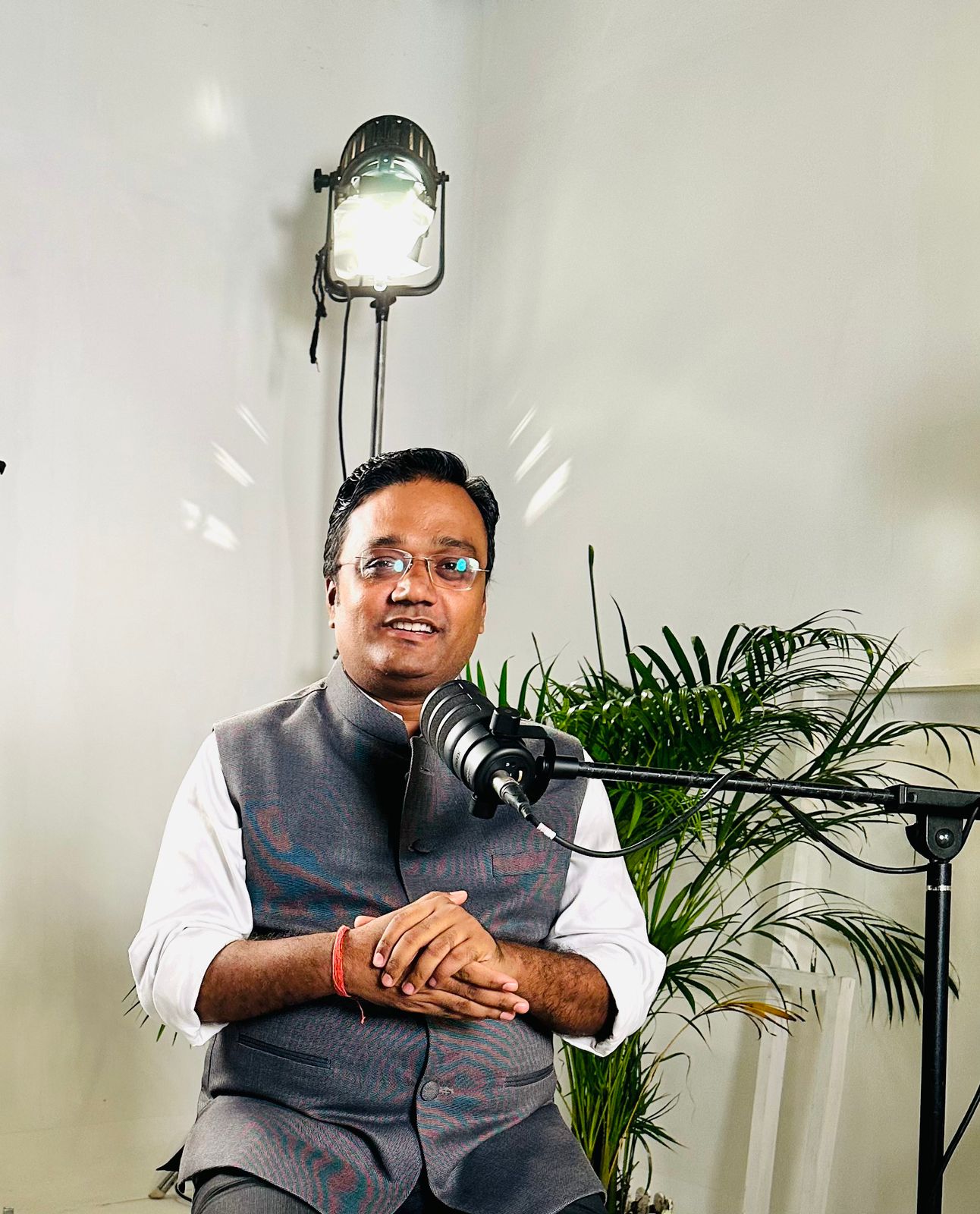 CA Manish Mishra
- Starting Up
CA Manish Mishra is the Co-Founder & CEO at GenZCFO. He is the most sought professional for providing virtual CFO services to startups and established businesses across diverse sectors, such as retail, manufacturing, food, and financial services with over 20 years of experience including strategic financial planning, regulatory compliance, fundraising and M&A.