Search GrowthX Learning Content


Building a Crisis-Resilient Financial Model for Your Startup

Startups often thrive on agility, innovation, and rapid growth, but unforeseen crises be it financial instability, regulatory hurdles, or operational disruptions can quickly derail even the most promising ventures. To survive such shocks, startups need a crisis-resilient financial model that not only focuses on cash-flow discipline but also embeds legal and compliance safeguards into everyday planning. This ensures that while business projections reflect market realities, they also account for unavoidable statutory obligations and regulatory risks.
In India, building such resilience means aligning financial planning with key legal frameworks like the Companies Act, 2013, Income-tax Act, 1961, FEMA regulations, Labour Codes, Trademarks Act, and the Insolvency and Bankruptcy Code. These laws govern everything from corporate funding and taxation to employee costs, intellectual property, and insolvency procedures. By embedding compliance timelines and monitoring regulatory updates within financial models, startups can safeguard their brand identity, protect investor confidence, and ensure long-term sustainability in volatile environments.
In this article, CA Manish Mishra talks about Building a Crisis-Resilient Financial Model for Your Startup.
Cash Flow Planning and Statutory Priorities
A crisis-resilient financial model starts with disciplined cash management. The most effective approach is to maintain a 13-week rolling cash-flow forecast, which continuously tracks projected inflows (sales, funding, receivables) and outflows (vendor payments, salaries, statutory dues). This rolling mechanism helps startups anticipate liquidity gaps early and take corrective steps such as renegotiating terms or arranging short-term funding. Within this framework, statutory dues like GST, TDS, PF, and ESIC must always be prioritized. Defaults in these areas not only attract hefty penalties and interest but can also harm regulatory credibility, which is especially risky when seeking investors or loans.
MSME Payment Compliance
Compliance with MSME payment laws is equally critical. Under Section 15 of the MSME Development Act, 2006, buyers are legally bound to pay micro and small enterprises within 45 days of acceptance (or 15 days where no written agreement exists). Any delay beyond this period attracts liability to pay compound interest. Adding to this, the Finance Act, 2023 introduced Section 43B(h) in the Income-tax Act, 1961, which disallows the deduction of expenses if payments to MSMEs are not made within the prescribed time limit. This means late payments not only damage supplier trust but also increase tax liability by inflating taxable income.
For this reason, startups must:
-
Clearly flag MSME invoices in their financial models.
-
Align payment schedules with statutory deadlines.
-
Project tax consequences of delayed payments.
This integration ensures compliance, avoids unnecessary tax outflows, and maintains goodwill with small vendors who are often important to business continuity.
Revenue Recognition and GST/E-Invoicing
Revenue recognition is not only an accounting exercise but also a compliance-driven process under GST. Any mismatch or delay in invoicing and filing can directly affect cash flows and vendor relationships.
E-Invoicing Rules
Under GST law, businesses with an annual turnover of ₹5 crore or more are required to generate e-invoices for all B2B transactions. This system ensures authenticity by reporting invoices to the Invoice Registration Portal (IRP) and generating a unique IRN (Invoice Reference Number).
From April 2025, an additional compliance has been introduced: businesses with turnover of ₹10 crore or more must upload invoices to the IRP within 30 days of invoice generation. Any delay in reporting makes the invoice invalid for GST purposes. This delay also blocks Input Tax Credit (ITC) for customers, which can harm business relationships and delay customer payments ultimately straining cash flows.
GST Deadlines
Startups must also integrate GST filing deadlines into their financial calendar. Key forms include:
-
GSTR-1: Statement of outward supplies (monthly/quarterly).
-
GSTR-3B: Summary return with tax payment (monthly/quarterly).
Failure to file these on time attracts late fees and interest under Section 50 of the CGST Act. Late filing not only increases costs but also blocks ITC claims, leading to a higher working-capital burden. Hence, aligning revenue recognition with GST invoicing and filing schedules is essential for both compliance and liquidity management.
Fundraising Strategies and Legal Considerations
Raising capital is important for startups, but every fundraising method must comply with Indian corporate and foreign exchange regulations. Integrating these legal requirements into the financial model ensures that projected funding inflows are realistic and free from regulatory delays.
Convertible Instruments
Startups often rely on flexible funding instruments. Convertible Notes, as permitted under RBI/FEMA regulations, can be issued only by DPIIT-recognized startups. These are debt instruments that convert into equity or are repayable within 5 years. The minimum investment allowed is ₹25 lakh in a single tranche, making it suitable for angel and seed funding.
Other options include Compulsorily Convertible Debentures (CCDs) and Compulsorily Convertible Preference Shares (CCPS). However, these require strict compliance with FEMA pricing guidelines and must be backed by fair valuation reports certified by a SEBI-registered merchant banker or Chartered Accountant. This ensures shares are not issued below fair value, protecting foreign investors and maintaining regulatory standards.
FEMA and RBI Filing Timelines
When foreign investors are involved, timelines under FEMA are crucial.
-
Form FC-GPR must be filed within 30 days of share allotment to a non-resident investor.
-
Form FC-TRS is required for share transfers between residents and non-residents and must be filed within 60 days.
Failure to comply attracts penalties under Section 13 of FEMA, 1999, which may include fines up to three times the amount involved in the contravention. Thus, funding inflows should be modeled not just by expected term-sheet dates but by compliance-based cash availability timelines.
Private Placement under Companies Act, 2013
Private placements remain a popular route for raising funds from resident investors. This process is governed by Section 42 of the Companies Act, 2013 and Rule 14 of the Companies (Prospectus and Allotment of Securities) Rules, 2014. The key compliance steps are:
-
Passing a special resolution (filed via MGT-14).
-
Circulating offer letters in Form PAS-4 to identified persons (not exceeding 200 per financial year per security type).
-
Filing the return of allotment (PAS-3) within 15 days of allotment.
These legal steps add specific timelines that must be factored into financial models. For example, even if investors commit funds today, actual inflows may be delayed until the company completes resolutions, filings, and allotment procedures.
Tax and Valuation Considerations
Tax and valuation rules directly impact how fundraising is structured and how much capital a startup retains after tax obligations. A crisis-resilient financial model must therefore integrate these aspects to avoid unexpected liabilities and to make the most of available tax benefits.
Angel Tax – Section 56(2)(viib)
Under the Income-tax Act, 1961, if a startup issues shares at a price higher than the fair market value (FMV), the excess premium is treated as “income from other sources” and becomes taxable in the hands of the company. This is commonly referred to as Angel Tax.
To determine FMV, Rule 11UA (amended in 2023) prescribes acceptable valuation methods such as:
-
Discounted Cash Flow (DCF) method – based on future projected earnings.
-
Net Asset Value (NAV) method – based on present asset-liability positions.
Startups must ensure they obtain updated valuation reports from a SEBI-registered merchant banker or a Chartered Accountant before issuing shares. This helps in defending the valuation before tax authorities and avoiding unnecessary litigation.
Startup Tax Benefits – Section 80-IAC
To encourage entrepreneurship, the government offers a tax holiday under Section 80-IAC of the Income-tax Act. DPIIT-recognized startups incorporated up to April 1, 2030 can claim a 100% tax exemption on profits for any 3 consecutive years out of their first 10 years of incorporation.
However, the benefit can be availed only if the startup meets eligibility conditions, such as:
-
Being incorporated as a Private Limited Company or LLP.
-
Holding a valid DPIIT recognition certificate.
-
Engaged in innovation, development, or improvement of products, processes, or services.
For effective tax planning, startups should align their profitability projections with the 3-year window when claiming the exemption would be most advantageous usually when they start generating stable profits.
Labour Laws and HR Costs
Human resource expenses are one of the largest cost components in any startup, and compliance with labour laws plays a critical role in financial planning. With India moving toward the consolidation of labour laws into four Labour Codes, startups must anticipate their financial impact well in advance to avoid future liabilities.
Impact of Labour Codes (Pending Implementation FY 2025-26)
-
Code on Wages, 2019: Redefines the term “wages” more broadly, including allowances that were earlier excluded. This increases the base for Provident Fund (PF), gratuity, and bonus calculations, thereby raising employer costs.
-
Code on Social Security, 2020: Expands the coverage of PF and ESI contributions, bringing more categories of employees under its ambit. Startups with gig or platform workers may also face additional contribution obligations.
-
Industrial Relations Code, 2020: Introduces clearer rules on layoffs, retrenchments, and closures, particularly requiring prior government approval in certain cases and formalizing dispute resolution mechanisms.
These codes are expected to be implemented in FY 2025-26, meaning startups must start modeling the higher cost implications today.
Payroll and Exit Planning
-
Severance payouts should be planned in line with the Shops and Establishments Acts (state-specific) and the Payment of Gratuity Act, 1972. This ensures that employees exiting the organization receive statutory benefits.
-
Startups must also ensure compliance with notice periods and retrenchment compensation under labour laws. For larger teams, especially once thresholds under the Industrial Relations Code are triggered, failure to comply can result in heavy penalties and legal disputes.
-
Financial models should therefore include provisions for employee exits, covering unpaid leave encashments, gratuity obligations, and settlement timelines.
Intellectual Property and Data Protection
In times of crisis, protecting brand reputation and customer trust becomes even more important. Startups must therefore secure their intellectual property rights and ensure compliance with data protection laws, as both directly influence market credibility, customer loyalty, and financial stability.
Trademark Protection
A trademark is one of the most valuable assets of a startup, representing its brand identity in the market. Registering your brand under the Trademarks Act, 1999 ensures exclusive rights and prevents others from misusing or copying it. During crises, when customer trust is fragile, an unregistered brand risks loss of goodwill if competitors adopt confusingly similar names or logos.
If infringement occurs, the Act provides remedies under Sections 27–29, including:
-
Injunctions (court orders restraining further use of the infringing mark).
-
Damages or account of profits (compensation for losses).
-
Seizure of counterfeit goods.
By securing a trademark early, startups create a legal shield that safeguards their identity and strengthens investor confidence.
Data Protection (DPDP Act, 2023)
With the rise of digital startups, data protection has become a financial as well as regulatory priority. The Digital Personal Data Protection (DPDP) Act, 2023 introduces strict obligations for companies handling personal data. The upcoming rules in 2025 are expected to require businesses to report data breaches within 72 hours to the Data Protection Board.
Failure to comply may result in heavy penalties, with fines up to ₹250 crore, depending on the severity of the violation. Beyond penalties, non-compliance can cause reputational damage and customer loss, both of which directly hit revenue streams.
Startups should therefore budget for compliance measures within their financial models, such as:
-
Consent management tools for lawful data collection.
-
Data breach response systems to detect and report incidents quickly.
-
Cybersecurity solutions and employee training to prevent breaches.
Contractual Safeguards
Contracts form the backbone of business operations, and in times of crisis, well-drafted contractual protections can prevent financial losses and legal disputes. Startups must therefore design agreements with legal contingencies in mind, ensuring that they account for disruptions and disputes that may arise unexpectedly.
Force Majeure and Frustration
A force majeure clause protects businesses from liability when performance of a contract becomes impossible due to unforeseen events such as pandemics, natural disasters, government restrictions, or strikes. Under Section 32 of the Indian Contract Act, 1872, contracts with contingent clauses like force majeure can be lawfully suspended or terminated when such events occur.
If a contract does not contain a force majeure clause, startups may rely on the doctrine of frustration under Section 56, which legally allows termination of agreements when their performance becomes impossible or unlawful due to circumstances beyond control. Including these safeguards ensures that businesses are not forced to bear unfair liabilities during crises.
Arbitration and Dispute Resolution
Dispute resolution mechanisms are critical in crisis situations. Startups should include arbitration clauses in contracts, as governed by the Arbitration and Conciliation Act, 1996. Arbitration offers a faster, more cost-effective alternative to lengthy court litigation.
In addition, startups must be aware of Section 9 of the Arbitration and Conciliation Act, which allows parties to seek interim relief from courts (such as injunctions, asset protection, or status quo orders) even before or during arbitration proceedings. This is especially valuable in protecting cash flow, intellectual property, or business continuity during disputes.
Insolvency Preparedness
Even with the best financial planning, startups may face severe distress during crises. Preparing for insolvency scenarios is therefore a critical part of a crisis-resilient financial model. By understanding the provisions of the Insolvency and Bankruptcy Code, 2016 (IBC), startups can anticipate risks, plan restructuring options, and protect business continuity.
Pre-Packaged Insolvency (PPIRP) for MSMEs
The Pre-Packaged Insolvency Resolution Process (PPIRP) was introduced under the IBC as a faster, more flexible resolution tool specifically for MSMEs. It follows a debtor-in-possession model, meaning the management retains control of operations while working with creditors to resolve financial stress. The process must be completed within 120 days, which is much shorter compared to the standard Corporate Insolvency Resolution Process (CIRP).
For startups classified as MSMEs, PPIRP provides a valuable option to restructure debt without losing control, preserve goodwill, and maintain ongoing operations during financial crises.
IBC Thresholds
Under the IBC, the minimum default threshold to initiate CIRP is currently ₹1 crore. This means that creditors can only trigger insolvency proceedings against a company if the amount of default is at least ₹1 crore. Startups must therefore model their debt exposures and repayment schedules carefully, ensuring that borrowing levels and repayment commitments are monitored against this threshold.
By keeping track of obligations and planning repayment cycles in line with IBC requirements, startups can reduce the risk of insolvency proceedings and build negotiation strength with creditors in times of distress.
Governance, Disclosures, and Insurance
Strong governance practices and timely disclosures are important for maintaining investor trust and regulatory compliance. Startups must also protect their leadership and operations through appropriate insurance, especially during crises when risks are heightened.
Board Approvals and ROC Filings
Key business actions such as allotment of shares, raising borrowings, granting ESOPs, or conducting private placements require formal board and shareholder approvals under the Companies Act, 2013. Once approved, filings must be made with the Registrar of Companies (ROC) through prescribed forms. For example:
-
MGT-14: Filing for resolutions passed.
-
PAS-3: Return of allotment of securities.
-
SH-7: Notice of alteration of share capital.
Delays or failures in filing these attract penalties and may render corporate actions legally defective. Hence, startups must model compliance costs and timelines into their funding and governance activities.
ESOPs and Equity Compensation
Employee Stock Option Plans (ESOPs) are an important tool for attracting and retaining talent, but they are tightly regulated. They are governed by Section 62(1)(b) of the Companies Act and Rule 12 of the Companies (Share Capital and Debentures) Rules, 2014.
-
Promoters are not eligible to receive ESOPs.
-
Every ESOP scheme must be approved by shareholders via special resolution.
-
Detailed disclosures on vesting, pricing, and exercise periods are required.
Financial models should account for ESOP dilution, accounting expenses, and compliance timelines, ensuring transparency with both employees and investors.
Risk Insurance
Insurance is a critical layer of governance and crisis preparedness. Startups should budget for:
-
Directors & Officers (D&O) Insurance: Protects company directors and officers from personal liability in cases of alleged mismanagement, regulatory breaches, or investor disputes.
-
Cyber Liability Insurance: Covers financial and reputational losses arising from data breaches, cyberattacks, or IT system failures.
Such protections safeguard leadership and operations, ensuring stability even when the company faces legal or financial challenges.
Conclusion
A crisis-resilient financial model is not limited to forecasting revenues and expenses; it must integrate legal compliance into financial planning. In India, obligations such as MSME payment timelines, GST e-invoicing rules, FEMA filings, and Companies Act requirements directly impact liquidity and cash flow. Non-compliance can result in penalties, blocked credits, or delayed fundraising, creating additional stress when businesses can least afford it.
To build true resilience, startups must align their financial models with tax laws, labour codes, intellectual property safeguards, and insolvency frameworks. This proactive approach ensures obligations are anticipated and managed, while risks are mapped into financial projections. By embedding compliance within cash-flow planning, entrepreneurs can safeguard resources, maintain investor confidence, and navigate crises with stability. Resilience emerges only when finance and law work in unison.
Frequently Asked Questions (FAQs)
Q1. What is a crisis-resilient financial model for startups?
Ans. A crisis-resilient financial model goes beyond tracking revenues and expenses. It integrates cash-flow forecasting with legal compliance to prepare for financial, operational, or regulatory shocks.
Q2. Why is legal compliance important in financial planning?
Ans. Every law whether MSME payment rules, GST e-invoicing, FEMA filings, or Companies Act disclosures directly impacts liquidity. Ignoring these can lead to penalties, delayed funding, or blocked tax credits.
Q3. How does MSME compliance affect a startup’s cash flow?
Ans. Under the MSME Development Act, 2006, payments must be made within 45 days. With Section 43B(h) of the Income-tax Act, delayed payments are non-deductible, increasing tax liability and squeezing cash flow.
Q4. What role does GST e-invoicing play in financial resilience?
Ans. From April 2025, invoices must be uploaded to the IRP within 30 days for businesses with turnover ≥ ₹10 crore. Delays block customer ITC, which may delay payments and hurt liquidity.
Q5. How should startups handle fundraising compliance?
Ans. Raising funds through convertible notes, CCDs, or CCPS requires compliance with FEMA pricing rules and timely filings such as Form FC-GPR and Form FC-TRS. Under the Companies Act, private placements need approvals and ROC filings.
Q6. What tax issues should be modeled in advance?
Ans. Startups must plan for Angel Tax under Section 56(2)(viib), where share premium above fair value is taxable. They should also time their profitability to avail Section 80-IAC’s three-year tax holiday.
- 30 Aug, 2025
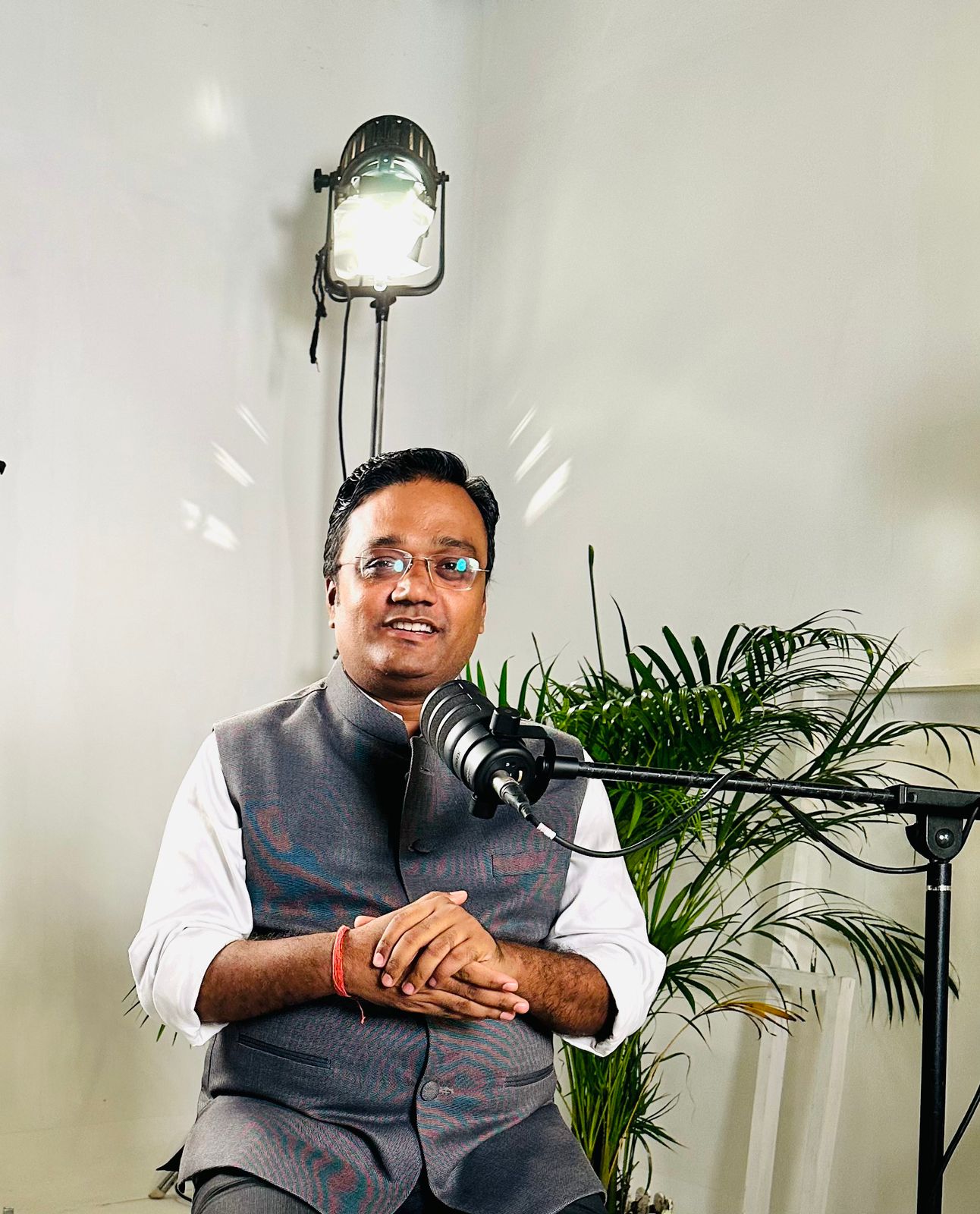 CA Manish Mishra
- Easing Finance
CA Manish Mishra is the Co-Founder & CEO at GenZCFO. He is the most sought professional for providing virtual CFO services to startups and established businesses across diverse sectors, such as retail, manufacturing, food, and financial services with over 20 years of experience including strategic financial planning, regulatory compliance, fundraising and M&A.