Search GrowthX Learning Content


Drug License for Retail and Wholesale Pharmacy

In India, the sale, stock, exhibit, or distribution of drugs and medicines is strictly regulated under the Drugs and Cosmetics Act, 1940 and the corresponding Drugs and Cosmetics Rules, 1945. Any person or entity intending to engage in the retail or wholesale business of pharmaceutical products must obtain a Drug License from the appropriate licensing authority. The primary objective of this law is to ensure the availability of safe, genuine, and effective medicines to the public and to prevent misuse, substandard distribution, or sale of drugs without medical supervision.
In this article, CA Manish Mishra talks about Drug License for Retail and Wholesale Pharmacy.
Legal Framework Governing Drug Licenses
The licensing provisions are governed under Chapter IV of the Drugs and Cosmetics Act, 1940, which empowers the central and state governments to regulate import, manufacture, sale, and distribution of drugs. Rule 61 of the Drugs and Cosmetics Rules, 1945 specifies the forms and conditions of licenses, while Rule 64A and Rule 65 enumerate the procedures, premises conditions, and documentation required for grant or renewal. In addition, special rules apply to drugs listed under Schedule H, H1, and X, which require stricter monitoring and prescription control. The Central Drugs Standard Control Organization (CDSCO) functions as the apex regulatory authority, while State Drug Control Departments grant licenses for retail and wholesale operations.
Types of Drug Licenses for Pharmacies
In India, businesses can apply for two primary types of licenses depending on their nature of activity:
-
Retail Drug License (RDL): Required for any person or business that intends to sell or distribute drugs directly to consumers. This includes standalone pharmacies, hospital pharmacies, or online pharmacies that sell drugs on prescription to end users.
-
Wholesale Drug License (WDL): Mandated for entities engaged in the wholesale sale of drugs to other retailers, hospitals, or institutions. These businesses do not sell directly to patients but supply to licensed buyers.
In some cases, a combined license may be granted if the premises will be used for both retail and wholesale purposes, provided all requirements are fulfilled.
Eligibility Criteria for Retail and Wholesale Drug Licenses
To be eligible for a Retail Drug License, the applicant must ensure:
-
The presence of a registered pharmacist approved by the State Pharmacy Council.
-
The pharmacist must be available full-time during business hours.
-
The shop premises must have a minimum carpet area of 10 square meters with proper storage facilities.
For a Wholesale Drug License, the applicant must:
-
Employ a competent person having either a degree/diploma in pharmacy or at least one year of experience in dealing with drug distribution.
-
The minimum area of premises must be 15 square meters, with adequate facilities for cold storage (if dealing in temperature-sensitive medicines).
In both cases, the premises must not be located in residential areas, and proper ventilation, lighting, cleanliness, and record-keeping facilities must be maintained.
Documents Required for Drug License Application
The standard documents required include:
-
Covering letter and application form in prescribed format (Form 19/19B).
-
Identity proof and address proof of the applicant.
-
Ownership documents or rent agreement for premises.
-
Blueprint or layout of the pharmacy premises.
-
Qualification certificate and registration of the pharmacist (for retail) or competent person (for wholesale).
-
Affidavit regarding non-conviction under the Drugs Act.
-
Electricity bill and property tax receipt of the premises.
-
Details of refrigeration and cold storage systems.
The application is submitted to the State Licensing Authority, usually through the state drugs control department's online portal, along with the prescribed license fee.
Inspection and Approval Process
Upon receipt of the application, the drugs inspector appointed by the state conducts a physical inspection of the premises. The inspection is aimed at ensuring that the applicant meets all infrastructure and staffing norms. The inspector may verify the storage systems, temperature controls, record-keeping practices, and qualification of the personnel involved. If satisfied, the licensing authority issues the license. The entire process may take 15 to 45 days depending on the state, completeness of documents, and inspection schedule.
Validity and Renewal of Drug License
A Drug License remains valid for a period of five years from the date of issue, unless suspended or cancelled due to violations. Renewal must be applied for at least 30 days before expiry to avoid late fees. With the introduction of online portals in most states, license renewal has become more streamlined and may be completed digitally through submission of updated documents and self-declarations. Delay in renewal beyond the grace period can attract penalties or force the applicant to apply afresh.
Conditions and Compliance for Maintaining Drug License
License holders must adhere to several operational and compliance obligations:
-
Medicines must be stored as per the manufacturer's guidelines—certain drugs require refrigeration (2°C to 8°C).
-
Sales of Schedule H, H1, and X drugs must be supported by a valid prescription and properly recorded in registers.
-
Schedule X drugs require dual-lock storage and stricter tracking protocols.
-
Bills or cash memos must be issued for all transactions.
-
Records of inward and outward drug movement must be preserved for at least two years.
-
Any change in ownership, premises, or personnel must be intimated to the licensing authority.
-
The premises must remain accessible for surprise inspections by drug inspectors.
Prohibitions and Penalties
Engaging in sale or distribution of drugs without a valid license is a criminal offence. Violations may result in:
-
Suspension or cancellation of the license.
-
Monetary fines up to ₹1,00,000 or imprisonment (up to 3 years or more for repeat offences).
-
Seizure of drugs or closure of premises.
-
Criminal prosecution under Sections 27, 28, and 29 of the Drugs and Cosmetics Act, 1940.
Recent Regulatory Developments (2023–2025)
In recent years, regulatory oversight for pharmacies has increased, especially for online sales and Schedule H1 medicines. The National Digital Drugs Database has been proposed to track distribution across India. States are being urged to integrate pharmacy registration with digital health records. Some states have mandated CCTV surveillance in wholesale and retail outlets for high-risk medicines. In addition, e-pharmacy regulations have been proposed that may introduce a centralised license for online retailers, separate from state licences.
The Central Drugs Standard Control Organization (CDSCO) has also initiated steps to digitize the entire drug licensing ecosystem. Many states, such as Maharashtra, Delhi, Karnataka, and Tamil Nadu, now allow fully online applications, reducing paperwork and improving transparency. Emphasis is also placed on pharmacovigilance—requiring pharmacies to report adverse drug reactions (ADRs) to drug regulators.
Conclusion
The process of obtaining a Drug License for retail or wholesale pharmacy is a regulated and essential legal requirement in India. It ensures that medicines are sold safely, responsibly, and only by qualified individuals or businesses that meet strict infrastructure and documentation standards. As regulations evolve and digitalisation increases, pharmacy operators must stay informed and compliant with both central and state-level changes. For businesses planning to enter the pharmaceutical distribution or retail sector, timely registration, proactive compliance, and ethical practice are the cornerstones of sustainable and legal operations.
- 24 Jun, 2025
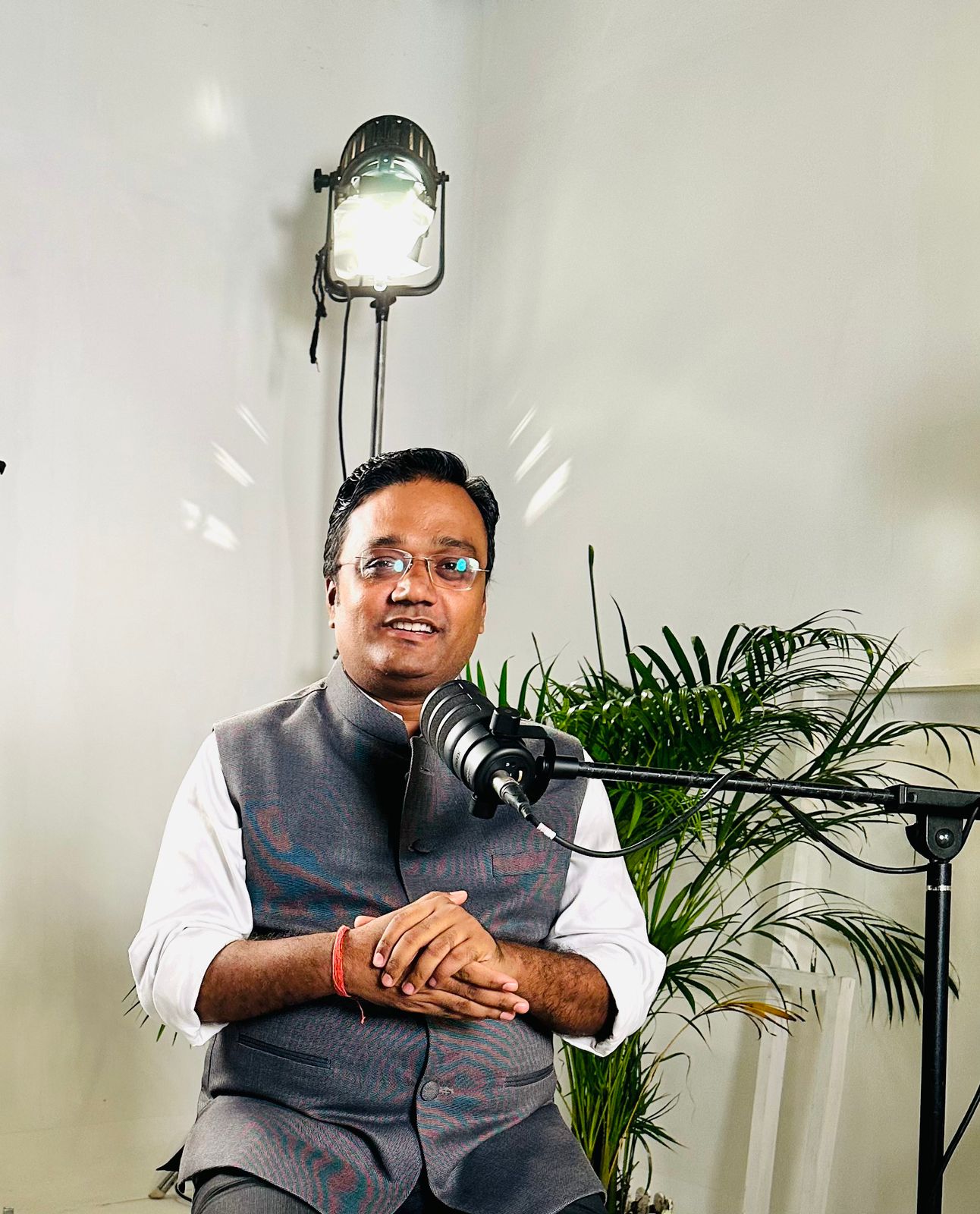 CA Manish Mishra
- Starting Up
CA Manish Mishra is the Co-Founder & CEO at GenZCFO. He is the most sought professional for providing virtual CFO services to startups and established businesses across diverse sectors, such as retail, manufacturing, food, and financial services with over 20 years of experience including strategic financial planning, regulatory compliance, fundraising and M&A.