Search GrowthX Learning Content


Drug License Types in India: Retail, Wholesale, and Manufacturing

India's pharmaceutical and healthcare industries are regulated under stringent legal frameworks to ensure the safety, quality, and efficacy of drugs. Anyone intending to sell, stock, exhibit, offer for sale, or distribute drugs in India must obtain a drug license under the Drugs and Cosmetics Act, 1940.
This article explains the three major types of drug licenses in India: Retail, Wholesale, and Manufacturing Licenses.
Governing Law and Relevant Provisions
- The regulation of drug licenses in India is governed primarily by:
-
Drugs and Cosmetics Act, 1940
-
Drugs and Cosmetics Rules, 1945
-
Central Drugs Standard Control Organization (CDSCO)
- Key Sections and Rules:
-
Section 18(c): No person shall manufacture, sell, or distribute any drug without a valid license.
-
Section 27: Imposes penalties for non-compliance, including fines and imprisonment.
-
Rules 59 to 69: Prescribe procedures for the grant and conditions of drug licenses.
Types of Drug Licenses
- Retail Drug License (RDL)
A Retail Drug License is mandatory for individuals or entities intending to sell medicines directly to end consumers through pharmacies or medical stores.
Eligibility: Minimum 10 sq. meters premises with a full-time registered pharmacist.
Governing Rule: Rule 64 of the Drugs and Cosmetics Rules, 1945.
Retail Drug License allows sale of drugs to consumers. Requires qualified pharmacist, proper premises, and must comply with local drug control norms and storage standards.
- Wholesale Drug License (WDL)
Wholesale Drug License is required for those intending to sell drugs in bulk, either to retailers, hospitals, or dispensaries.
Eligibility: Minimum 15 sq. meters premises, refrigerator, and either a registered pharmacist or a graduate with experience.
Governing Rule: Rule 64 of the Drugs and Cosmetics Rules, 1945.
Wholesale Drug License is needed to distribute medicines to retailers or hospitals. It mandates storage infrastructure and trained personnel for maintaining drug quality.
Manufacturing Drug License
This license is essential for manufacturing or repacking drugs and cosmetics in India.
Types of Manufacturing Licenses:
-
Form 25: Manufacture of non-schedule drugs.
-
Form 28: Manufacture of schedule C & C1 drugs.
-
Form 32: Manufacturing of cosmetics.
-
Form 37: Loan license (for using other's manufacturing facilities).
Governing Rules: Rules 69, 76, and 85B.
Manufacturing Drug License is for companies making or repackaging drugs. Requires GMP-compliant unit, expert staff, and compliance with CDSCO and State Drug Control norms.
Application Process for Drug Licenses
-
Identify License Type: Based on business model (retail, wholesale, or manufacturing).
-
Documentation: Prepare documents like ID proof, pharmacist certificate, premises proof.
-
Online Application: Apply via State Drug Control Department or CDSCO portal.
-
Inspection: Regulatory authority conducts physical verification.
-
Approval: License is issued upon successful inspection and compliance.
Drug license applications require choosing the correct category, uploading required documents, and passing inspection. Once verified, the drug license is issued by the concerned authority.
Common Documents Required
-
ID and Address Proof of Applicant
-
Pharmacist Qualification Certificate
-
Proof of Premises (Rent Agreement/Ownership)
-
Refrigerator and Storage Facility Details
-
Affidavit and Declaration Forms
Common documents include ID, pharmacist registration, shop ownership proof, and storage compliance. These documents help verify eligibility and ensure regulatory adherence for public safety.
Frequently Asked Questions (FAQs)
- Who regulates drug licenses in India?
Ans: The Central Drugs Standard Control Organization (CDSCO) and respective State Drug Control Authorities regulate drug licenses under the Drugs and Cosmetics Act, 1940.
Drug licenses are governed by CDSCO and State Drug Departments. They ensure compliance with the Drugs and Cosmetics Act to protect public health and safety.
- Can a single person apply for both retail and wholesale licenses?
Ans: Yes, one can apply for both if they meet infrastructure, staffing, and storage requirements separately for each.
Retail and wholesale licenses can be held simultaneously if applicant maintains separate facilities, records, and fulfills qualifications and area norms for each category independently.
- Is a pharmacist necessary for a Wholesale Drug License?
Ans: Not always. A graduate with one year of experience in drug sales can also be eligible.
Wholesale license doesn't mandate a pharmacist. A science graduate with relevant drug sales experience can be accepted, provided other norms are satisfied as per regulations.
- What is the validity of a drug license?
Ans: Licenses are now valid for a lifetime, subject to retention fees and regular compliance.
Drug licenses no longer expire annually. They are valid for life but require periodic compliance checks and payment of retention fees every five years.
- What are the penalties for operating without a drug license?
Ans: As per Section 27, penalties include imprisonment up to five years and a fine of up to ₹50,000.
Selling or manufacturing drugs without a license is punishable with jail time and fines under Section 27 of the Drugs and Cosmetics Act, 1940.
- Can a loan license be used for drug manufacturing?
Ans: Yes. A loan license allows manufacturing using another license holder's premises and facilities.
Loan license permits drug production in facilities owned by others. Applicant must ensure host facility is licensed and production meets quality and GMP standards.
- How long does it take to get a drug license?
Ans: It typically takes 30-60 working days depending on state and category of license.
Drug license approval usually takes 1 to 2 months, including inspection and document verification, depending on workload and category of application.
Conclusion
Whether you're opening a pharmacy, distributing medicines, or manufacturing drugs, securing a proper drug license is not just a legal requirement—it’s a social responsibility. The Drugs and Cosmetics Act, 1940 ensures that only qualified professionals handle medicines that directly impact public health.
Understanding the types of drug licenses helps businesses stay compliant, gain consumer trust, and contribute to India’s healthcare framework.
Drug licensing promotes ethical practice in the pharma sector. Retail, wholesale, or manufacturing—each requires clear compliance to protect consumer safety and support public health initiatives.
- 11 May, 2025
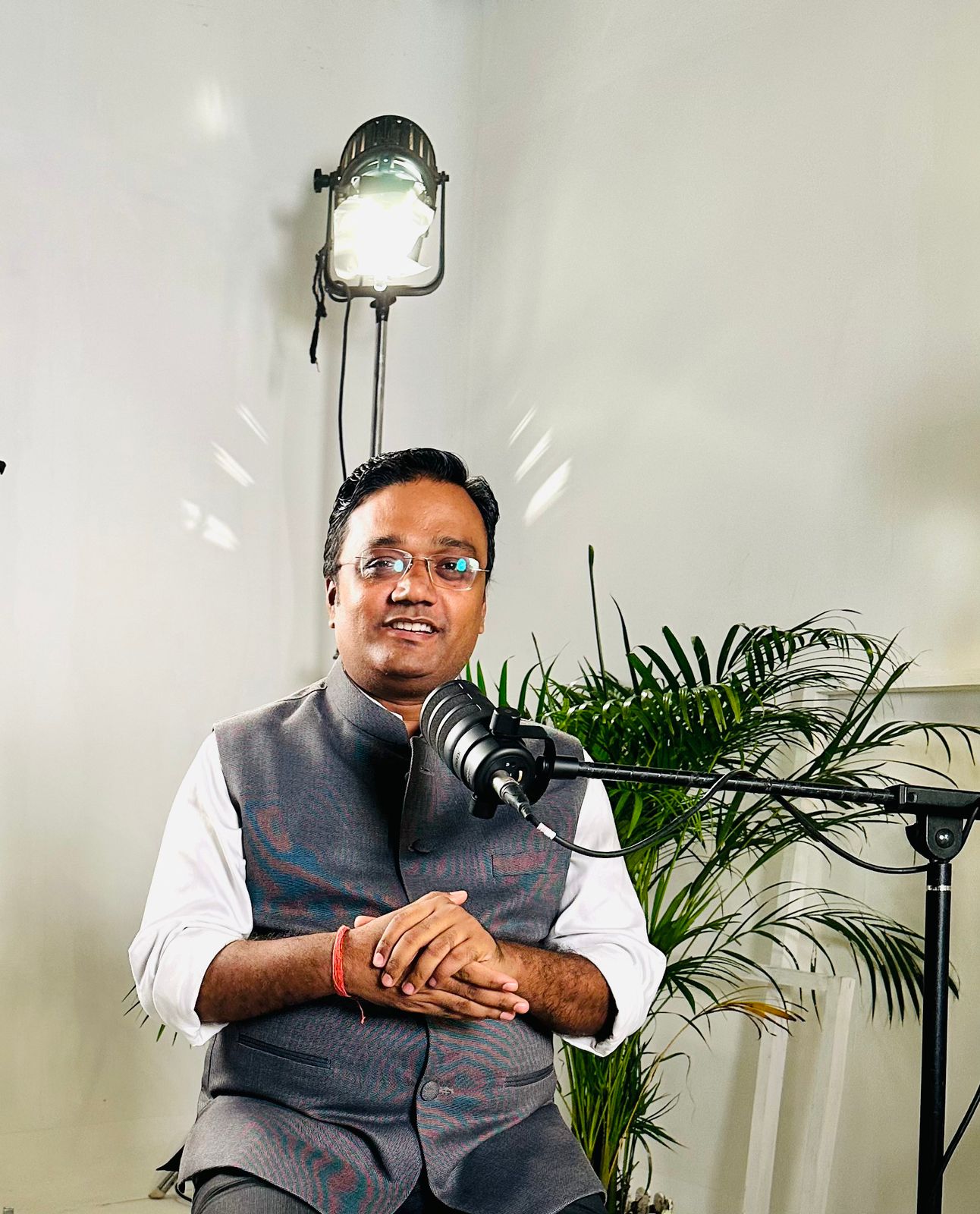 CA Manish Mishra
- Starting Up
CA Manish Mishra is the Co-Founder & CEO at GenZCFO. He is the most sought professional for providing virtual CFO services to startups and established businesses across diverse sectors, such as retail, manufacturing, food, and financial services with over 20 years of experience including strategic financial planning, regulatory compliance, fundraising and M&A.