Search GrowthX Learning Content


Event Management License and Police Permissions

Organizing public events in India such as music concerts, corporate functions, trade shows, private parties in public venues, or wedding events requires multiple clearances and approvals from various regulatory authorities. The primary objective behind obtaining an Event Management License and associated Police Permissions is to ensure public safety, law and order, noise control, tax compliance, and adherence to civic regulations. These legal requirements are governed by both central laws and state-specific rules depending on the nature and location of the event.
Under Indian law, there is no single license that covers all types of events. Instead, event organizers must secure a combination of permissions from the local police, municipal corporations, fire department, traffic police, licensing authorities, and sometimes from the Intellectual Property Rights (IPR) and Excise Departments. The statutory requirements vary depending on whether the event is held indoors or outdoors, involves large gatherings, live music, public performances, food and liquor sale, use of loudspeakers, or road usage. Failing to secure proper approvals before conducting an event can result in cancellation, imposition of penalties, or even criminal prosecution under various laws such as the Indian Penal Code, Environment Protection Act, or local municipal laws.
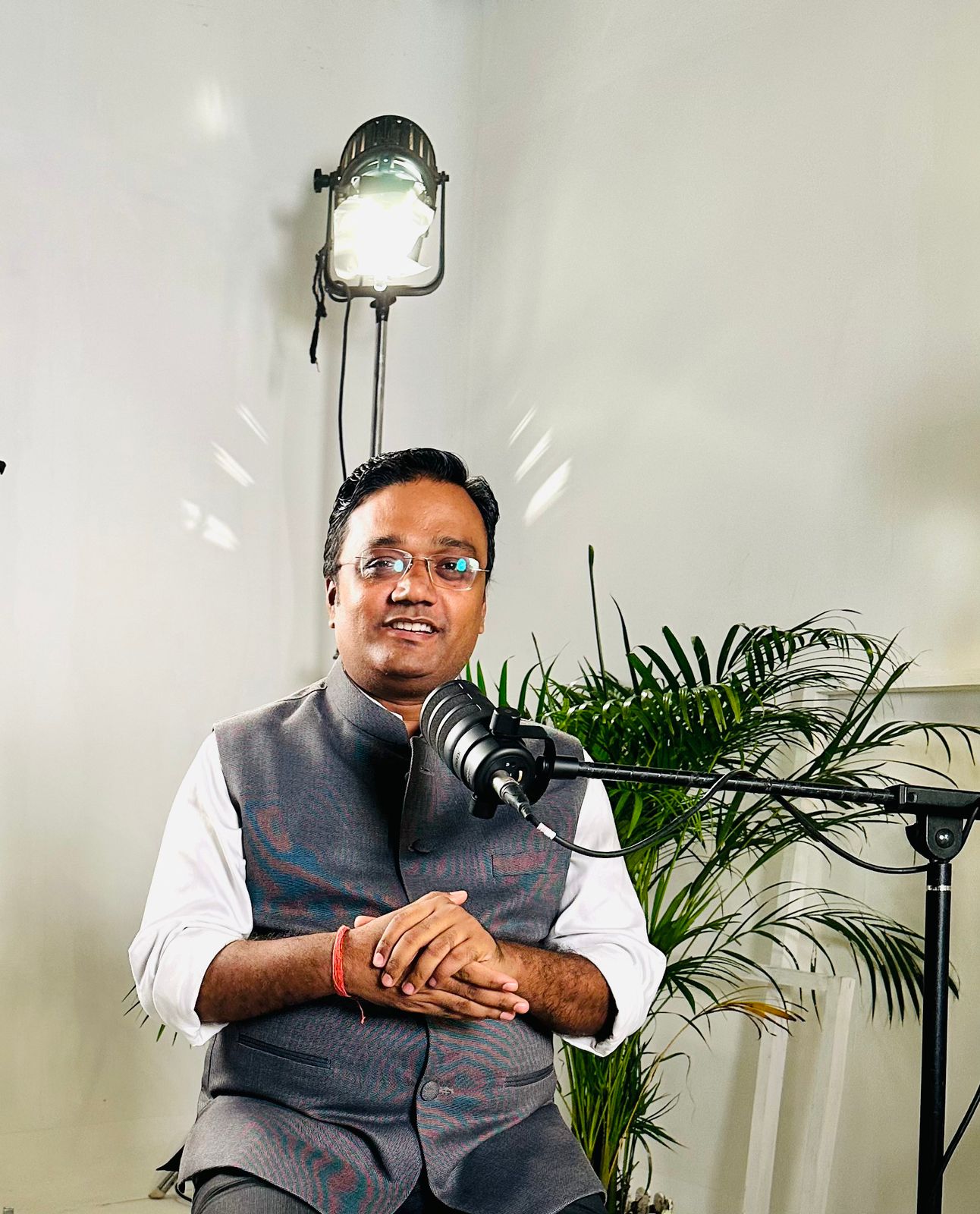
In this article, CA Manish Mishra talks about Event Management License and Police Permissions.
Police Permissions for Events
The most crucial approval is from the Police Department, which grants permission to conduct an event after verifying that it does not disrupt law and order. As per the Police Act, 1861 and relevant state police regulations, prior permission must be obtained from the Deputy Commissioner of Police (DCP) or Commissioner of Police under whose jurisdiction the event falls. The police permission process generally involves submission of a detailed event plan, including:
-
Date, time, and venue of the event
-
Nature of the event (public/private, commercial/non-commercial)
-
Expected crowd size
-
Details of performers or guests attending
-
Security and crowd management plans
-
Details of sound equipment and stage setup
-
Emergency exits and fire safety arrangements
The police will evaluate the event's potential to disturb public order, create traffic congestion, or pose safety risks. If satisfied, they issue a formal NOC (No Objection Certificate) which is mandatory before proceeding with the event. In case of any untoward incident during the event, the organizers are held liable for negligence or violation of the police terms.
Licenses and Approvals Required for Event Management
The following are the key licenses and permissions needed by event organizers:
1. Public Performance License
Under the Copyright Act, 1957, any event involving the performance or broadcasting of copyrighted music or audiovisual content requires a performance license from bodies such as the Phonographic Performance Limited (PPL) or Indian Performing Right Society (IPRS). Failure to obtain this license amounts to infringement of copyright and is punishable by law.
2. Municipal/Local Body Permission
For events conducted in public parks, streets, or municipal grounds, organizers must obtain written permission from the Municipal Corporation or Local Urban Body. This approval ensures that the event complies with sanitation, parking, and zoning laws. Civic authorities may also impose fees for the use of public space.
3. Fire Department NOC
If the event is expected to host a large crowd or involves temporary structures such as tents, stages, or electrical setups, prior clearance must be obtained from the Fire Department under the National Building Code of India and respective state fire safety rules. This includes submitting details of fire exits, extinguishers, firefighting arrangements, and electrical safety measures.
4. Excise Department Permission (if Liquor is Served)
For events where alcohol will be served or sold, organizers must obtain a temporary liquor license from the State Excise Department. This is governed by the State Excise Acts, and the permission specifies quantity limits, brands to be served, and serving hours. Unauthorized service or sale of liquor is an offence punishable by imprisonment and fines.
5. Sound Permission from Pollution Control Board
For use of loudspeakers or sound systems, organizers must comply with the Noise Pollution (Regulation and Control) Rules, 2000 under the Environment (Protection) Act, 1986. Permission is to be taken from the State Pollution Control Board or the District Magistrate, and decibel levels must not exceed the prescribed limits, especially near residential or silent zones.
6. Traffic Police NOC
If the event affects public roads, traffic diversion, or requires parking control, a Traffic NOC must be obtained from the Traffic Police Department. Organizers are required to present a parking plan, traffic flow details, and crowd dispersal arrangements.
7. Health and Food Safety License
If food is being sold or distributed, it is mandatory to get a Food License under the Food Safety and Standards Act, 2006 (FSSAI License). Vendors must maintain hygiene standards and ensure that food is prepared and served as per food safety norms. For larger events, mobile medical units or ambulances may be mandated.
Legal Provisions Governing Evennst Permissio
Several statutory provisions apply depending on the nature of the event:
-
Section 144 of CrPC, 1973 – Restriction on unlawful assembly; if imposed, permission for public events may be denied.
-
Section 188 of IPC – Disobedience to an order promulgated by a public servant (such as police or magistrate).
-
Indian Easements Act, 1882 – Restrictions may apply if an event interferes with the right to public passage.
-
Bombay Police Act, 1951 or other state-specific police acts – Govern the issuance of licenses and maintenance of public order.
-
Environment Protection Act, 1986 – Regulation of noise pollution and air quality during public events.
-
Disaster Management Act, 2005 – Especially relevant during health emergencies like pandemics, where public gatherings are restricted.
Recent Updates and Trends in Event Licensing
Post-pandemic, authorities have tightened the process of event approvals. Digital applications and e-governance platforms have been introduced in many states for streamlined permission processes. In cities like Mumbai, Delhi, and Bengaluru, Single Window Clearance Systems are being implemented to allow event organizers to apply for all licenses through one portal. Additionally, many state governments are emphasizing insurance coverage for public liability, safety of guests, and damage to property.
Authorities have also increased scrutiny on crowd control norms, especially after several tragic stampede incidents in recent years. There is a growing emphasis on submitting disaster management plans and having certified security agencies on board. Organizers may be asked to install CCTV surveillance, metal detectors, and deploy marshals to manage large gatherings.
Conclusion
Obtaining a valid Event Management License and securing all Police Permissions are mandatory legal steps for organizing events in India. These permissions are not only regulatory requirements but also essential for ensuring safety, lawfulness, and civic order. Organizers must plan events well in advance to account for the time needed to process multiple approvals. Non-compliance with any of the requirements can lead to legal complications, cancellation of the event, and loss of reputation. With digital platforms easing access to various permissions, professional event management now demands a deep understanding of the legal framework as much as creative execution.
- 23 Jun, 2025
 CA Manish Mishra
- Starting Up
CA Manish Mishra is the Co-Founder & CEO at GenZCFO. He is the most sought professional for providing virtual CFO services to startups and established businesses across diverse sectors, such as retail, manufacturing, food, and financial services with over 20 years of experience including strategic financial planning, regulatory compliance, fundraising and M&A.