Search GrowthX Learning Content


How a CFO Transforms a Business from Chaotic to Organised

A Chief Financial Officer (CFO) is instrumental in transforming a disorganised, reactive business into a structured and efficient organisation. In many companies especially startups and fast-growing SMEs financial data is scattered, compliance is irregular, and decisions are taken without accurate insights. A CFO brings order by establishing robust financial systems, standardising accounting practices, improving record-keeping, and creating strong reporting mechanisms. This shift enables the business to gain visibility over its finances, control cash flow, and make informed operational decisions.
Beyond financial discipline, the CFO acts as a strategic partner who aligns business goals with financial planning. By implementing internal controls, introducing forecasting models, and designing comprehensive MIS reports, the CFO ensures accuracy, transparency, and compliance across the organisation. This helps management move from short-term reactive decisions to long-term strategic planning. As a result, the organisation becomes more resilient, compliant, and growth-ready, turning a previously chaotic structure into an organised and high-performing enterprise.
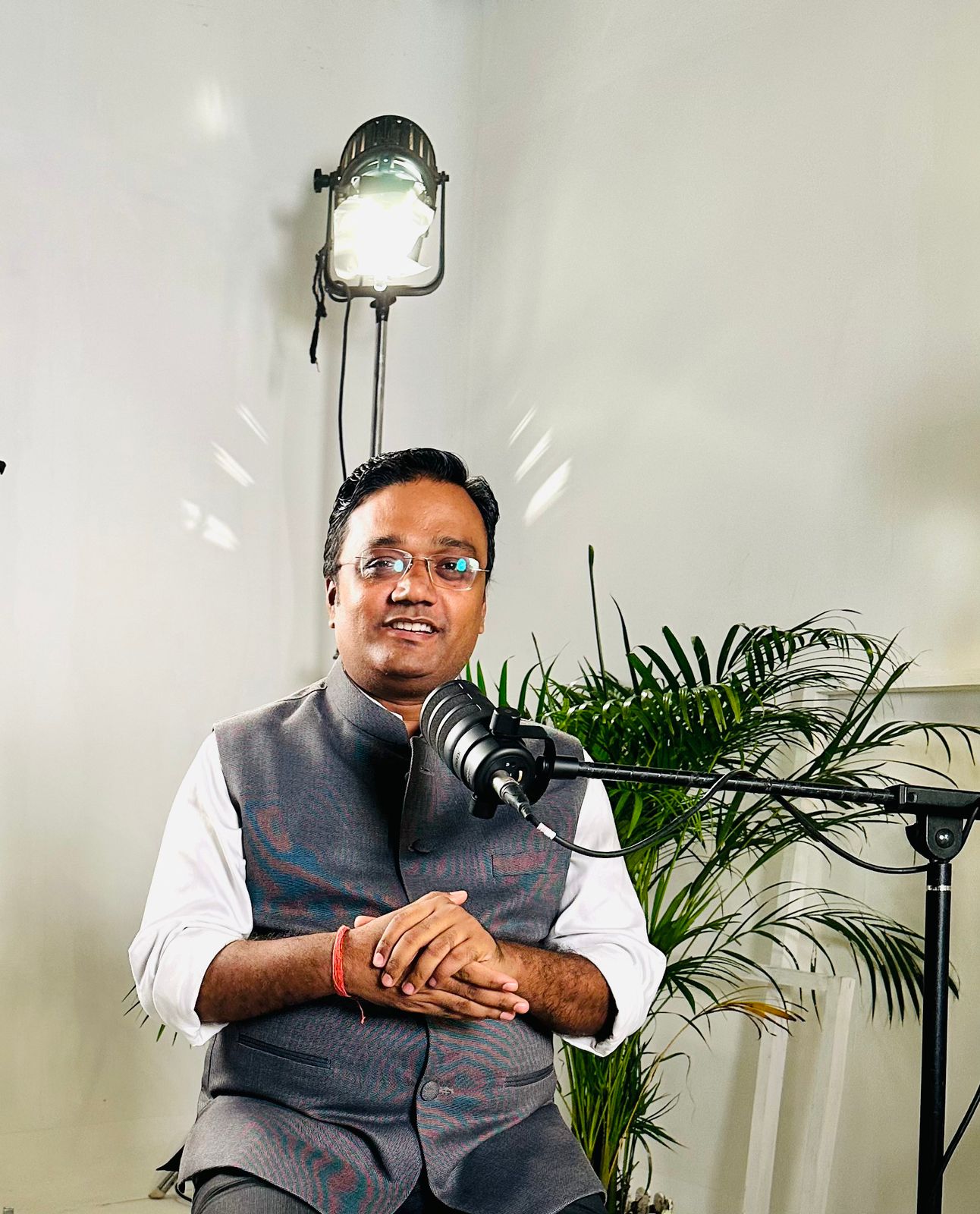
In this article, CA Manish Mishra talks about How a CFO Transforms a Business from Chaotic to Organised.
Bringing Financial Discipline and Accuracy
A disorganised business typically faces challenges such as poor bookkeeping, inconsistent financial data, unclear profitability, and irregular cash-flow management. These issues make decision-making reactive and unreliable. A CFO brings order by establishing a disciplined financial environment built on accuracy, transparency, and structured processes. By introducing governance across accounting, reporting, and compliance functions, the CFO ensures that the organisation operates with clarity and financial stability.
Establishing Reliable Accounting Systems
One of the CFO’s first priorities is implementing reliable and standardised accounting systems. This includes creating clear accounting procedures, ensuring timely and accurate recording of all financial transactions, and introducing modern digital tools with audit-trail features. These systems not only prevent errors and manipulations but also create a strong foundation for meaningful financial analysis.
Strengthening Financial Reporting
The CFO enhances financial reporting by introducing monthly MIS reports, comparison of budgeted versus actual performance, branch or departmental profitability tracking, and detailed cash flow and fund flow statements. These reports provide management with real-time insights into business performance, enabling early identification of deviations and timely corrective actions.
Ensuring Financial Transparency
Financial transparency is essential for building trust and ensuring long-term sustainability. The CFO eliminates hidden liabilities, uncovers revenue leakages, and ensures that financial records reflect the true health of the business. This level of clarity boosts confidence among investors, lenders, auditors, and other stakeholders, laying the groundwork for compliant and responsible financial governance.
Cash Flow Control and Resource Optimisation
Unpredictable cash flow is one of the primary reasons businesses slip into chaos. When a company does not know how much money is coming in or going out, it struggles to pay vendors, meet payroll, plan investments, or sustain operations. A CFO brings financial stability by establishing systems that monitor liquidity in real time and anticipate future financial requirements. By improving visibility and control over funds, the CFO ensures that the organisation has the resources it needs to operate smoothly and seize growth opportunities.
Cash Flow Forecasting
A CFO introduces cash flow forecasting models that estimate inflows and outflows for the upcoming weeks and months. This allows management to plan for peak expenses, avoid cash shortages, and prevent unnecessary borrowing. Predictive forecasting helps the business maintain healthy liquidity and prepares the organisation for both routine and unexpected financial demands.
Working Capital Management
Efficient working capital management is essential for maintaining operational flow. The CFO strengthens receivable collection cycles, establishes disciplined credit policies, and optimises inventory to avoid excess stock. Simultaneously, vendor payments are streamlined to balance liquidity without straining relationships. These improvements accelerate cash conversion cycles and reduce financial stress.
Cost Optimisation
Cost optimisation is another key area where the CFO adds value. By analysing expense patterns, identifying wasteful spending, and renegotiating contracts, the CFO eliminates unnecessary costs. This improves margins while ensuring that product or service quality remains unaffected. Effective cost control enhances overall profitability and supports sustainable business growth.
Strategic Planning and Decision Support
A CFO plays a crucial role in elevating an organisation from reactive decision-making to structured, strategic, and data-driven planning. Instead of relying on assumptions or intuition, a CFO introduces analytical frameworks that guide leadership in making decisions aligned with long-term objectives. By combining financial data, market insights, and risk assessments, the CFO ensures that every major business move from budgeting to expansion is backed by financial clarity and strategic foresight.
Budgeting & Forecasting
Budgeting and forecasting form the backbone of organisational planning. A CFO prepares annual budgets that reflect business goals, expected revenues, cost structures, and growth targets. Through scenario planning, the CFO analyses best-case, worst-case, and realistic outcomes, helping the leadership understand financial risks and opportunities. This proactive approach ensures that resources are allocated efficiently and financial disruptions are minimised.
Business Expansion Guidance
When a company considers expanding whether into new markets, new product lines, or larger operations the CFO conducts feasibility studies to assess the financial and operational viability. They evaluate the return on investment, payback period, risks involved, and long-term strategic benefits. Additionally, the CFO advises on the most suitable capital structure, such as choosing between debt, equity, or hybrid financing. This ensures expansion decisions are not only ambitious but financially sound.
Pricing & Profitability Analysis
A CFO brings analytical precision to pricing decisions. By studying cost structures, competitor pricing, customer demand, and market positioning, the CFO helps set pricing strategies that maximise profitability without compromising competitiveness. They also conduct product-wise and service-wise profitability assessments, identifying high-margin offerings and areas where efficiency must improve. This enables management to focus on the most profitable segments and optimise underperforming ones.
Strengthening Internal Controls & Fraud Prevention
A business lacking strong internal controls often faces financial inconsistencies, operational disputes, and vulnerabilities to fraud. A CFO brings order and protection by designing and implementing robust systems that safeguard assets, ensure accurate reporting, and enforce accountability across all levels. By strengthening governance frameworks, the CFO reduces the chances of errors, misuse of funds, and operational lapses, thereby creating a secure and transparent organisational environment.
Building Internal Financial Controls (IFC)
Internal Financial Controls (IFC) form the foundation of responsible financial management. The CFO establishes segregation of duties to ensure that no single individual controls an entire financial process. Approval hierarchies are defined to regulate expenditure and authorisations. Additionally, the CFO ensures that accounting systems maintain clear audit trails and proper documentation, making every transaction traceable. These measures help prevent manipulation and foster financial discipline.
Introducing Compliance Systems
To avoid penalties and regulatory risks, the CFO introduces systematic compliance frameworks. Automated compliance calendars track GST filings, TDS payments, ROC deadlines, and statutory audits, ensuring that nothing is missed. The CFO also develops internal audit cycles to periodically evaluate processes and controls. Standard Operating Procedures (SOPs) are implemented across financial and operational activities to bring consistency and reduce errors.
Detecting & Preventing Fraud
Fraud prevention is a key responsibility of the CFO. Through variance analysis, the CFO identifies discrepancies between expected and actual performance. Suspicious or unusual transactions are closely monitored using analytical tools and alerts. Periodic reconciliations covering bank statements, vendor accounts, receivables, and inventories help identify irregularities early. By creating a culture of vigilance and implementing proactive checks, the CFO significantly reduces fraud risk.
Legal & Regulatory Role of the CFO in India
A CFO’s role extends far beyond managing finances they serve as the legal and regulatory backbone of the organisation. In India, the CFO is accountable for ensuring compliance with multiple laws, maintaining accurate financial records, supporting statutory audits, and upholding corporate governance standards. Their responsibilities directly impact the organisation’s legal standing, risk exposure, and credibility with regulators, investors, and stakeholders.
Under the Companies Act, 2013
The Companies Act formally recognises the CFO as a Key Managerial Personnel (KMP) under Section 2(19), placing them in a position of statutory responsibility. Under Section 203, certain classes of companies must appoint a whole-time CFO, making the role essential for corporate governance. The CFO is responsible for maintaining proper books of accounts as mandated by Section 128, ensuring accuracy and transparency. Under Section 134, the CFO supports the Board in preparing and certifying financial statements, ensuring they present a true and fair view. Additionally, the CFO assists audit committees under Sections 177 and 178, providing financial insights crucial for oversight. Under Section 143, the CFO must cooperate with auditors by providing accurate information and supporting statutory audits.
Under GST Law
GST compliance is a significant legal responsibility, and the CFO ensures that all GST-related processes are accurate and timely. This includes monthly and annual GST reconciliation, ensuring Input Tax Credit (ITC) accuracy, filing returns within due dates, and responding to departmental notices or mismatches. A CFO’s oversight reduces the risk of penalties, interest, and litigation.
Under Income Tax Law
The CFO ensures full compliance with income tax obligations. This includes TDS deductions, payments, and filing of returns; monitoring advance tax liabilities; preparing records for tax audits under Section 44AB; and managing assessments, scrutiny notices, and tax litigation. Through accurate financial reporting and reconciliations, the CFO minimises legal exposure and avoids unwarranted tax disputes.
Under SEBI, RBI & Industry Regulators
In regulated sectors such as listed companies, NBFCs, financial services, and banking the CFO plays a central compliance role. They oversee financial disclosures, quarterly results, investor reports, and ensure adherence to corporate governance norms. The CFO also manages risk management frameworks, capital adequacy compliance (for NBFCs), and supports statutory and compliance audits mandated by regulators. Their role is critical in maintaining regulatory confidence.
Under the Information Technology Act
As businesses rely on digital systems, the CFO must ensure financial data is protected under IT Act requirements. This includes implementing data protection measures, cybersecurity protocols, and ensuring accounting systems maintain audit trails. Such digital controls prevent tampering, safeguard sensitive information, and ensure the integrity of financial records essential for both compliance and internal governance.
Recent Updates Elevating the CFO Role
In recent years, regulatory reforms and digital transformation have significantly expanded the responsibilities and expectations placed on CFOs in India. The CFO is no longer viewed only as a financial controller but as a strategic compliance leader who must ensure transparency, accuracy, and governance across all financial systems. These updates have elevated the CFO’s role, making their involvement crucial in maintaining legal compliance, strengthening stakeholder confidence, and safeguarding organisational integrity.
Mandatory Audit Trail (2023 Onwards)
Since 2023, companies are required to use accounting software that maintains an unalterable audit trail, meaning every financial entry and modification must be automatically recorded and time-stamped. The CFO must ensure this functionality is active and tamper-proof. This has increased the CFO’s responsibility to maintain transparent and traceable financial records, preventing manipulation and strengthening audit reliability.
Rise of Digital Compliance (MCA V3, GSTN, AIS/TIS)
Digital compliance systems such as MCA V3, GSTN, and Income Tax AIS/TIS have transformed how organisations manage regulatory filings. The CFO must now integrate financial data from various digital platforms, ensure consistency across systems, and reconcile discrepancies promptly. This digital shift demands real-time monitoring, upgraded internal processes, and strong MIS systems for accurate reporting.
Greater Accountability for Financial Misstatements
Regulators now expect CFOs to personally certify the accuracy of financial statements and disclosures. Any misstatement, even if unintentional, can lead to penalties, restatements, and personal liability for the CFO. This has heightened the emphasis on internal controls, data verification, documentation, and independent review mechanisms under the CFO’s leadership.
Increased Investor & Lender Scrutiny
Investors, lenders, and financial institutions now expect detailed insights into the company’s financial health. CFOs must provide robust MIS reports, financial forecasts, risk assessments, and cash flow projections to secure funding and maintain investor trust. As organisations grow, the CFO becomes the primary custodian of financial communication and strategic guidance, directly influencing market confidence.
Governance, Culture & Organisational Transformation
A CFO contributes far more than financial expertise they play a central role in transforming the organisation’s overall governance, culture, and long-term operational discipline. By instilling systems, processes, and ethical standards, a CFO cultivates a work environment that values transparency, accountability, and data-driven decision-making. This transformation shifts the organisation from short-term survival mode to a long-term, growth-oriented mindset.
Enhancing Corporate Governance
One of the CFO’s most significant contributions is the improvement of corporate governance standards. Through transparent financial reporting, they ensure that management, investors, and regulators have access to accurate and reliable information. The CFO also sets the tone for ethical financial conduct, promoting honesty and accountability throughout the organisation. Additionally, the CFO strengthens audit committees by providing data-driven insights, risk assessments, and compliance updates essential for independent oversight and sound governance.
Building an Organised Culture
A CFO helps create a structured organisational culture by implementing Standard Operating Procedures (SOPs) across financial and operational activities. These SOPs bring consistency, reduce errors, and ensure process integrity. By establishing performance accountability frameworks, the CFO ensures each department understands its financial responsibilities. They also promote cross-department alignment by integrating financial goals with operational priorities, resulting in a coordinated and disciplined work environment.
Enabling Sustainable Growth
Sustainable growth requires stability, efficiency, and compliance three areas where the CFO plays a decisive role. By ensuring stable cash flows and optimising operations, the CFO allows the organisation to reinvest confidently in future expansion. Their compliance oversight prevents legal disruptions and penalties, offering a secure foundation for long-term development. With a strategic financial roadmap in place, the CFO helps the business achieve durable, responsible, and scalable growth.
Conclusion
A CFO plays a transformative role in reshaping a disorganised business into a structured, efficient, and future-ready organisation. Through systematic financial management, accurate reporting, and disciplined cash-flow oversight, the CFO creates stability where uncertainty once existed. By implementing robust internal controls, enhancing transparency, and establishing clear financial procedures, they eliminate operational chaos and lay the foundation for predictable and consistent performance. This brings clarity to leadership and enables informed, confident decision-making across the organisation.
Beyond operational improvement, the CFO becomes a strategic driver of long-term growth. Their role in ensuring legal and regulatory compliance protects the business from penalties and reputational risks, while their guidance in budgeting, forecasting, and resource allocation strengthens the company’s strategic direction. As businesses face increasing scrutiny and complex compliance requirements, the CFO serves not only as a financial steward but also as a governance leader and architect of sustainable success. Their influence ultimately shapes a resilient, growth-oriented enterprise.
Frequently Asked Questions (FAQs)
Q1. What is the primary role of a CFO in transforming a business?
Ans. A CFO brings financial discipline, strengthens internal controls, ensures compliance, and establishes structured financial systems that turn disorganised operations into an efficient and well-managed organisation.
Q2. How does a CFO improve financial accuracy in a chaotic business?
Ans. By implementing standardised accounting systems, audit trails, timely bookkeeping, and robust MIS reporting, ensuring all financial data is accurate, reliable, and transparent.
Q3. Can a CFO help a business facing cash-flow problems?
Ans. Yes. A CFO introduces cash-flow forecasting, optimises working capital, streamlines receivables and payables, and ensures liquidity is managed efficiently to avoid shortages.
Q4. How does a CFO support strategic decision-making?
Ans. Through budgeting, forecasting, scenario planning, profitability analysis, and investment evaluation, allowing leadership to make informed, data-driven strategic decisions.
Q5. Does a CFO handle legal and regulatory compliance?
Ans. Absolutely. A CFO ensures timely GST, Income Tax, TDS, ROC, and regulatory filings while maintaining accurate books as required by the Companies Act, 2013, SEBI, RBI, and industry regulators.
Q6. How does a CFO prevent fraud or financial irregularities?
Ans. By implementing internal financial controls, segregation of duties, approval workflows, variance analysis, and continuous monitoring of unusual transactions.
Q7. Why is MIS reporting important for organisational transformation?
Ans. MIS reports provide real-time insights into performance, costs, profitability, and compliance, enabling management to identify issues early and take corrective actions quickly.
Q8. Can a CFO help small businesses and startups?
Ans. Yes. Even small companies benefit from CFO support full-time or virtual through cost control, improved financial planning, structured processes, and compliance management.
Q9. What cultural impact does a CFO have on an organisation?
Ans. A CFO establishes a disciplined, accountable, and transparent work culture through SOPs, performance metrics, and cross-department financial alignment.
Q10. How does a CFO contribute to long-term business sustainability?
Ans. By ensuring stable cash flows, operational efficiency, risk management, and compliance assurance, the CFO builds a strong foundation for sustainable and scalable growth.
- 05 Dec, 2025
 CA Manish Mishra
- CFO Services
CA Manish Mishra is the Co-Founder & CEO at GenZCFO. He is the most sought professional for providing virtual CFO services to startups and established businesses across diverse sectors, such as retail, manufacturing, food, and financial services with over 20 years of experience including strategic financial planning, regulatory compliance, fundraising and M&A.