Search GrowthX Learning Content


How Gen Z Founders Can Build Investor-Ready Startups

Gen Z founders are starting smart businesses with new ideas, digital skills, and strong goals to solve real-world problems. But having a great idea is not enough investors also check if the business is legally correct and well-managed. To get funding, a startup must follow legal rules, keep finances clean, and stay ready for future growth. This includes choosing the right company type, registering it, and keeping proper documents from the start. Startups should protect their name, logo, or product with trademarks, copyrights, or patents to build strong brand value. Paying taxes on time and filing the right returns also helps gain investor trust and avoid penalties. Keeping agreements, financial records, and legal filings in order shows that the startup is serious and trustworthy. This guide explains all the simple legal steps Gen Z founders need to take to build a strong and investor-ready business.
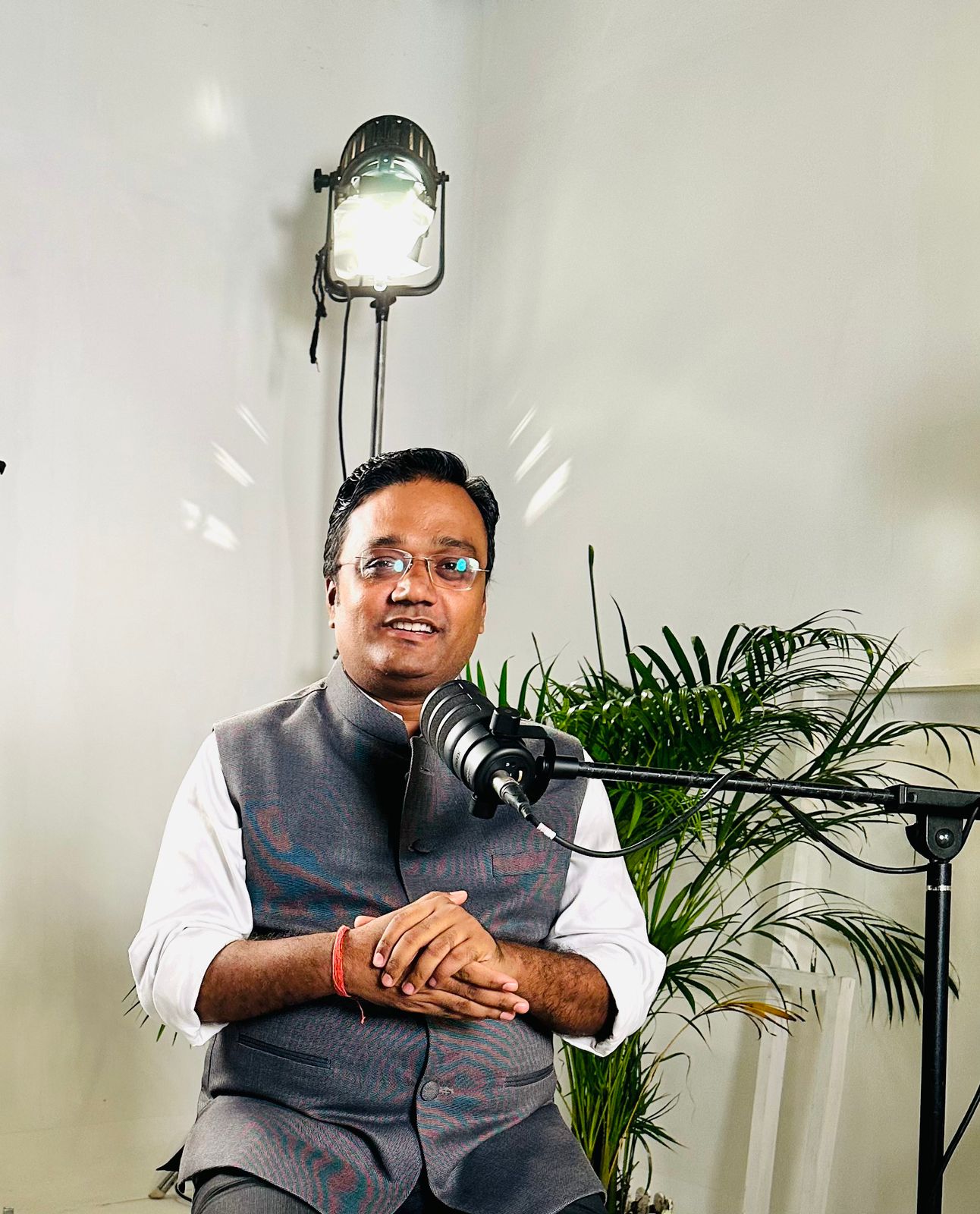
In this article, CA Manish Mishra talks about How Gen Z Founders Can Build Investor-Ready Startups.
Selecting the Right Legal Structure
The legal journey of any startup begins with choosing the appropriate business structure. Your entity type impacts taxation, compliance, fund-raising, and liability.
Private Limited Company
This is the most preferred structure for startups intending to raise capital. It is governed by the Companies Act, 2013. Key benefits:
-
Separate legal entity
-
Limited liability
-
Easy issuance of equity shares
-
Eligibility for Startup India DPIIT Recognition
-
Attractiveness to venture capitalists and angel investors
Limited Liability Partnership (LLP)
Under the LLP Act, 2008, LLPs offer flexibility in internal operations and fewer compliance requirements. However, raising equity investment becomes difficult due to the absence of share capital.
One Person Company (OPC)
OPCs are suitable for solo founders. They provide limited liability and a separate legal identity, but investors usually prefer Pvt Ltd Companies due to restrictions on share transfer and investment.
Legal Documents Required:
-
Certificate of Incorporation
-
PAN, TAN, GST registration
-
Memorandum and Articles of Association (MoA & AoA)
-
Shareholding pattern (cap table)
-
Registered office proof
-
Board resolutions (post-incorporation)
DPIIT Startup Recognition: Unlocking Tax and Compliance Benefits
The Department for Promotion of Industry and Internal Trade (DPIIT) provides Startup India recognition to eligible startups. It brings several benefits:
Key Benefits:
-
Income Tax Exemption under Section 80-IAC for 3 years (if incorporated after April 1, 2016)
-
Angel Tax Exemption under Section 56(2)(viib) for funds received over fair market value
-
Fast-track patent and trademark applications with reduced government fees
-
Access to Startup India Seed Fund Scheme and priority in government tenders
Eligibility Criteria:
-
Incorporated as a Pvt Ltd, LLP, or OPC
-
Not older than 10 years
-
Turnover does not exceed ₹100 crore
-
Working on innovation, improvement of existing products/services, or scalable business model
Setting up a Clean Cap Table and Founder Agreements
A clean capitalization table is a must for investor readiness. It displays who owns what percentage of the company. This should reflect:
-
Number and class of shares issued
-
Shareholding pattern
-
Pre-money and post-money valuation (after investment)
-
ESOP pool allocation
Founder’s Agreement Should Cover:
-
Equity split among founders
-
Roles and responsibilities
-
IP assignment and confidentiality
-
Vesting and cliff period
-
Exit clauses and non-compete restrictions
Legal Provision:
Under Section 2(68) of the Companies Act, a Pvt Ltd Company cannot invite the public to subscribe to shares and restricts transferability highlighting the importance of internal agreements to manage disputes.
Compliance with Company Law and Taxation
Startups must follow regular compliance under Companies Act, 2013, Income Tax Act, 1961, and Goods and Services Tax (GST) Act, 2017.
ROC Compliance:
-
Board Meetings: Minimum 4 per year
-
Statutory Audit: Appointment of CA under Section 139
-
Annual Filings:
-
AOC-4: Filing of financial statements
-
MGT-7: Filing of annual return
-
-
DIR-3 KYC for directors
Tax Compliance:
-
Income Tax Returns (ITR-6) for companies
-
GST Returns (GSTR-1 and GSTR-3B) if turnover exceeds ₹40 lakh or for inter-state supply
-
TDS Deduction and Filing under Sections 194J, 194C, etc.
-
Advance Tax payments under Section 208
Maintaining these compliances ensures no red flags during investor due diligence.
Intellectual Property (IP) Protection
For product and tech-driven startups, protecting intellectual assets is non-negotiable. IP registration enhances valuation and shows investors that your business has defensible assets.
Trademark (TM)
File under the Trademarks Act, 1999 to protect brand names, logos, and taglines.
-
Class-wise filing under NICE classification (e.g., Class 9 for software)
-
Use the ™ symbol after application and ® after registration
-
DPIIT-recognized startups get 50% government fee rebate
Patent
For inventions, filing under the Patents Act, 1970 gives a 20-year monopoly.
-
Startups get fast-track examination
-
80% fee rebate for DPIIT-recognized startups
Copyright
Protects software, graphics, website code, UI designs, and written content under the Copyright Act, 1957.
IP Assignment Agreements
Ensure that all founders, employees, and vendors assign their IP rights to the company.
Fundraising Legally: Equity, SAFEs, Convertible Notes
Raising capital is essential but must be structured legally under the Companies Act, FEMA, and SEBI guidelines.
Fundraising Instruments:
-
Equity shares: Dilutes ownership, requires valuation and compliance with Section 42 (Private Placement)
-
Convertible Notes: Popular for early-stage startups, convertible into equity at a later stage
-
SAFE Notes: Agreement for Future Equity used in accelerator programs
Legal Provisions:
-
File PAS-3 for share allotment
-
Conduct Valuation under Rule 11UA for FMV
-
Comply with FEMA (RBI filing of FC-GPR within 30 days of share allotment for foreign investment)
-
Maintain Register of Members and file SH-7 for authorized capital increase
Implementing Employee Stock Option Plans (ESOPs)
ESOPs attract top talent and align employee interest with company growth.
Steps to Implement:
-
Draft ESOP Policy
-
Obtain Board and Shareholder Approval (under Section 62(1)(b))
-
File Form MGT-14 post-resolution
-
Create ESOP Pool (5–15% common)
-
Issue Grant Letters with vesting schedule and exercise price
Vesting Examples:
-
4-year vesting with 1-year cliff (most common)
Recent updates allow startup founders to continue holding ESOPs post-IPO, enhancing retention.
Legal Due Diligence: What Investors Check
Before investing, VCs conduct legal due diligence. Ensure:
-
All compliance filings are up-to-date
-
No pending tax dues or legal disputes
-
IP ownership is vested with the company
-
Proper board meetings and resolution documentation
-
Signed shareholder and founder agreements
-
Updated statutory registers (SH-1, MBP-1, etc.)
A clean due diligence report increases investor confidence and speeds up funding.
AML/KYC and Beneficial Ownership Compliance
With rising global scrutiny, startups must adhere to Anti-Money Laundering (AML) and KYC standards.
Legal Mandates:
-
Maintain Beneficial Owner Records under Companies (Significant Beneficial Owners) Rules, 2018
-
Ensure KYC of investors and directors
-
For foreign investments, verify FATF compliance
-
Avoid shell structures and round-tripping of funds
Non-compliance may attract penalties under Section 447 (fraudulent practices) and Section 450 (general penalties).
Sector-Specific Regulatory Approvals
Depending on your industry, additional licenses may be required:
| Sector | Required License/Regulator |
|---|---|
| FinTech | RBI, SEBI, NPCI, PPI License |
| HealthTech | CDSCO, Health Ministry |
| EdTech | AICTE/UGC if offering certified courses |
| Food Delivery | FSSAI License |
| E-Commerce | GST + Legal Metrology registration (LMPC) |
Startups should consult domain-specific experts to avoid regulatory shocks.
Preparing for an Exit: IPO, Acquisition, Secondary Sale
Investors look for a clear exit route. Plan early.
Options:
-
Initial Public Offering (IPO): Requires SEBI compliance and DRHP
-
Mergers & Acquisitions: Ensure due diligence documents are readily available
-
Secondary Sale: Founder or early investor shares sold to new investors
Include exit clauses in the Shareholder Agreement, like:
-
Drag-Along Rights (majority shareholder forces minority to sell)
-
Tag-Along Rights (minority sells with majority)
-
Liquidation Preferences (investor pay-outs before others)
Recent Legal and Regulatory Updates (As of 2025)
-
Removal of Angel Tax for DPIIT Startups: Section 56(2)(viib) no longer applies to DPIIT-recognized startups even for foreign investments.
-
SEBI ESOP Relaxation: Startups can now allow ESOPs for founders even after listing, increasing retention post-IPO.
-
Stricter AML Rules: Updated compliance requires real-time KYC, beneficial ownership reporting, and cross-border transaction checks.
-
Liberalised FDI Norms: Startups can receive 100% foreign direct investment under the automatic route in most sectors.
Conclusion
Gen Z founders are bringing a fresh approach to entrepreneurship focused, digital-first, and driven by purpose. But to build a startup that grows, gets funded, and follows the rules, legal compliance must be a priority from day one. From selecting the right business structure and protecting your brand to raising funds, filing returns, and preparing for exit every step needs proper legal planning.
By following this clear legal path and keeping up with the latest rules, Gen Z entrepreneurs can create startups that are bold in vision, strong in structure, and ready for global investment and growth.
Frequently Asked Questions (FAQs)
Q1. What is the best legal structure for Gen Z founders starting a new venture?
Ans. The most preferred legal structure for fundraising and growth is a Private Limited Company. It offers limited liability, separate legal identity, and eligibility for DPIIT recognition. LLPs and OPCs are options too, but they may limit investment opportunities.
Q2. What is DPIIT recognition and why is it important for startups?
Ans. DPIIT recognition under Startup India provides benefits like tax exemption under Section 80-IAC, angel tax exemption under Section 56(2)(viib), faster IP processing, access to tenders, and government grants. It boosts investor confidence and legal credibility.
Q3. Is it necessary to register a trademark or patent early?
Ans. Yes, securing IP early protects your brand and technology. Trademarks safeguard your name/logo, while patents protect innovations. Registered IP also increases valuation and prevents infringement disputes during funding rounds.
Q4. Can Gen Z founders raise investment through convertible notes or SAFEs in India?
Ans. Yes. Convertible Notes (under the Companies Act and FEMA) and SAFE instruments are commonly used for early-stage funding. However, they must follow legal rules, including valuation, board approval, and regulatory filings like Form PAS-3 and FC-GPR for foreign investors.
Q5. How can startups legally issue ESOPs to employees?
Ans. Startups must draft an ESOP scheme, get approval through a board and shareholder resolution, and file Form MGT-14. The ESOPs must define vesting, exercise price, and grant terms, and comply with Section 62(1)(b) of the Companies Act, 2013.
Q6. What documents do investors ask for during due diligence?
Ans. Investors typically require:
-
Incorporation Certificate
-
Shareholding pattern (Cap Table)
-
MoA/AoA and amended documents
-
Financial statements and audit reports
-
IP ownership records
-
Statutory registers
-
Contracts and founder agreements
Clean and organized documents speed up the funding process.
- 23 Jul, 2025
 CA Manish Mishra
- CFO Services
CA Manish Mishra is the Co-Founder & CEO at GenZCFO. He is the most sought professional for providing virtual CFO services to startups and established businesses across diverse sectors, such as retail, manufacturing, food, and financial services with over 20 years of experience including strategic financial planning, regulatory compliance, fundraising and M&A.