Early-stage startups frequently struggle with cash-flow shortages due to limited initial revenue, delayed customer payments, and a naturally high burn rate needed to build product, hire talent, and acquire early customers. This phase is extremely fragile many startups fail not because their idea lacked potential, but because they were unable to manage working capital or anticipate liquidity gaps. A cash crunch also forces founders to make difficult decisions about expenses, hiring, and operational priorities, making disciplined financial planning critical for survival.
In India, the challenge becomes even tougher because startups must meet regulatory and tax obligations regardless of their financial condition. Compliance under the Companies Act, GST laws, Income-tax Act, labour regulations, and contractual obligations continues even when revenue is low. Ignoring these responsibilities can quickly lead to penalties, interest, director liabilities, or even strike-off, worsening the financial stress. Therefore, navigating a cash crunch requires a dual approach: strong financial discipline and strict legal compliance to keep the company stable and operational.
In this article, CA Manish Mishra talks about How to Keep Your Startup Alive During Early-Stage Cash Crunch.
Practical Financial Strategies to Survive a Cash Crunch
When cash run-rate tightens, founders must engage in strict financial discipline. First, they should prioritise cash flow management diligently track receivables and payables, accelerate customer collections, negotiate extended payment terms with vendors, and postpone non-essential expenses. Startups can also delay non-critical hires or cap-ex, prioritise lean operations, and outsource non-core functions instead of hiring full-time. Another key is realistic budgeting and forecasting building multiple cash-flow scenarios (best case, worst case) and conservatively estimating burn rate. Further, founders should focus on revenue-generating activities accelerate sales, upsell existing customers, touch base with earlier leads, or explore alternate monetization paths (services, consulting, subscription, licensing) to keep cash inflow alive. In many cases, offering flexible payment plans to clients helps even smaller or deferred payments are better than delayed or no payments.
Legal & Compliance Actions to Reduce Drain or Avoid Penalties
During a cash crunch, it’s tempting to deprioritize compliance but doing so can be costly. Startups must ensure that statutory obligations under the Companies Act, 2013 (or LLP Act, 2008 if applicable) are met: maintain proper books under Section 128, prepare financial statements and annual reports, file requisite forms, and comply with director/partner filings. If there are employees or consultants, compliance with labour laws, provident fund/TDS, contractual obligations must be maintained; failing labour or tax regulations could lead to fines. For startups under GST or expecting to cross GST thresholds, timely filing of returns is critical to avoid interest or penalties. If the startup has taken or is contemplating foreign investment or loans, compliance under FEMA regulations must also be ensured. In short even during dry periods statutory and tax filings cannot be ignored, because non-compliance can lead to bigger financial or legal burdens later.
Alternative Funding and Financing Strategies
When internal cash flow is insufficient, founders should explore alternative funding and financing options. Short-term instruments like working-capital loans, invoice-discounting, factoring receivables, or supply-chain financing help bridge gaps. For equity capital, founders may prefer convertible notes or SAFEs where immediate cash is limited. However, any equity or convertible issuance must comply with the Companies Act such as drafting proper board/shareholder resolutions, following pricing norms under Section 62, and valuing shares fairly (often needing a Registered Valuer under the Valuation Rules). If the startup expects foreign investors, compliance with FEMA valuation and pricing rules is essential. In some cases, founders may consider LLP conversion (if permissible) to reduce fixed compliance costs or restructure equity though legal procedures and implications must be understood carefully.
Controlling Overhead and Variable Costs
Startups should meticulously review recurring costs office rent, SaaS subscriptions, utilities, marketing spend and cut or renegotiate wherever possible. For example, switching to co-working spaces, reducing on-premise infrastructure, renegotiating vendor contracts, or deferring marketing campaigns until stabilization can save significant cash outflows. Outsourcing functions like accounting, HR, compliance, or customer support to freelancers or agencies can reduce fixed employee costs. However, while cutting costs, founders must ensure contractual and labour-law compliance properly documented contracts, statutory deductions (TDS, labour compliance), and clear agreements to avoid future liabilities.
Legal Protection: Agreements, Documentation & Disclosure
In cash-constrained times, many founders cut corners but this often leads to problems later. All client contracts, vendor agreements, employment contracts, and investor agreements must be in writing, specifying deliverables, payment terms, liability clauses, exit clauses, and confidentiality / IP ownership (especially for IP-driven startups). For founders raising funds even small amounts proper loan agreements or share-issuance documentation is critical. Under Indian law, share allotment, ESOP grants, or convertible instruments must follow procedural compliance and disclosure requirements under the Companies Act. Without legally valid agreements and proper documentation, the startup may face disputes, litigation, or regulatory hassles when things improve.
Communication, Transparency & Stakeholder Management
When cash flow is tight, transparent communication with employees, vendors, investors, and key stakeholders becomes important. Informing vendors about delays, negotiating partial or deferred payments; discussing employee compensation structure, ESOPs, or deferred pay; and updating investors on burn rate, runway, and mitigation plans helps maintain trust. From a corporate-governance perspective, documenting board/partner resolutions about financial stress, cost reductions, cash-flow plans, or fundraising intention ensures that decisions are legally transparent and defensible under the Companies Act or LLP Act.
When to Consider Restructuring or Pivoting
If cash crunch persists, founders may need to consider pivoting the business model, downsizing, or even temporary shutdown of non-core operations. Legally, restructuring under the Companies Act requires shareholder/board approval; downsizing may require compliance with labour laws and contractual notice periods; shutting down operations or dissolving a company/LLP must follow formal winding-up or dissolution procedures under the Act or LLP law. If the startup has external investors, their consent may be required under investment agreements or shareholder agreements. Therefore any restructuring must be carefully documented and legally compliant to avoid future liability.
Building a Compliance-First, Cash-Smart Culture
Survival through cash crunch is not a one-time effort but a mindset. Startups that embed a "compliance-first, cash-smart" culture with monthly financial reviews, regular reconciliation, compliance calendars, and governance checklists are more likely to withstand tough times. Founders should treat legal and regulatory compliance as foundational expenses, not optional overhead. Engaging professional support such as outsourced virtual CFOs, accountants, legal advisors helps ensure that filings, tax payments, contracts, and compliance are maintained while internal resources focus on core business functions.
Conclusion
A cash crunch can be one of the toughest phases for early-stage startups, but it does not have to be fatal. Startups that respond quickly with disciplined spending, clear communication, and proactive financial planning can stabilize their operations despite limited liquidity. Reducing burn rate, focusing on core revenue activities, negotiating flexible terms with vendors and employees, and exploring short-term funding options can dramatically increase the company’s survival chances. Even small financial corrections made early can prevent a temporary cash shortage from becoming a long-term crisis.
Equally important is maintaining legal and regulatory compliance during this period. Startups that continue to meet their obligations under the Companies Act, GST, Income-tax, and labour laws avoid penalties that could worsen a tight financial situation. By ensuring timely filings, clean documentation, and strong governance, founders protect the company from future liabilities. Ultimately, surviving a cash crunch is about emerging stronger with streamlined systems, better financial discipline, and a sharper strategic focus that positions the startup for sustainable growth.
Frequently Asked Questions (FAQs)
Q1. Can a startup skip compliance filings during cash crunch to save costs?
Ans. No. Skipping statutory or tax filings does not save money it only postpones legal liabilities. Under the Companies Act, GST law, or Labour law, non-filing or delayed filing attracts penalties, interest, and can even lead to prosecution. Compliance costs are often small compared to potential penalties.
Q2. Is it safe to delay salaries or vendor payments during a crunch?
Ans. It can be, if you communicate transparently and document revised payment terms. But you must ensure compliance with employment contracts, labour laws, TDS rules, and contractual obligations otherwise delayed payments can lead to legal claims.
Q3. Can convertible notes or SAFEs help during cash crunch?
Ans. Yes such instruments provide capital without immediate dilution or high cash outflow. However, their issuance must comply with regulatory requirements under the Companies Act, and valuation for conversion must follow rules (especially for domestic and foreign investors).
Q4. Should I use invoice discounting or factoring?
Ans. If your receivables are solid but payment cycles are long, these can bridge cash flow gaps. However, agreements must be legally drafted to ensure rights, obligations and costs are clear.
Q5. What if I need to shut down parts of the business temporarily?
Ans. You must follow statutory procedures notify employees (if applicable), settle dues, maintain records, and ensure regulatory compliance. For a full closure, proper winding up under the Companies Act or LLP law is mandatory.
Q6. Does restructuring require investor consent?
Ans. If external investors hold equity, many shareholder agreements require their consent for restructuring, new funding, or significant changes. Always review agreements before making structural changes.
Q7. Should I engage a professional like a virtual CFO during hard times?
Ans. Yes. A virtual CFO or external financial advisor can manage compliance, optimize cash flow, prepare projections, and ensure filings freeing founders to focus on core business activities.
Q8. Can non-payment of GST or TDS cause serious penalties during a cash crunch?
Ans. Yes. GST and TDS regulations are strict. Delays in filing returns or paying due taxes attract interest, late fees, and penal notices worsening cash crunch rather than alleviating it.
Q9. Is it better to downsize immediately or wait for revenues?
Ans. That depends on forecast. Use realistic forecasting to model “burn vs runway”. If runway falls dangerously short, prudent downsizing or cost reduction early may prevent complete collapse.
Q10. How often should a startup review its cash flow and compliance status?
Ans. Monthly reviews are ideal with projected cash flow, expense tracking, compliance calendar check, and risk assessment to stay ahead of surprises and avoid regulatory penalties.



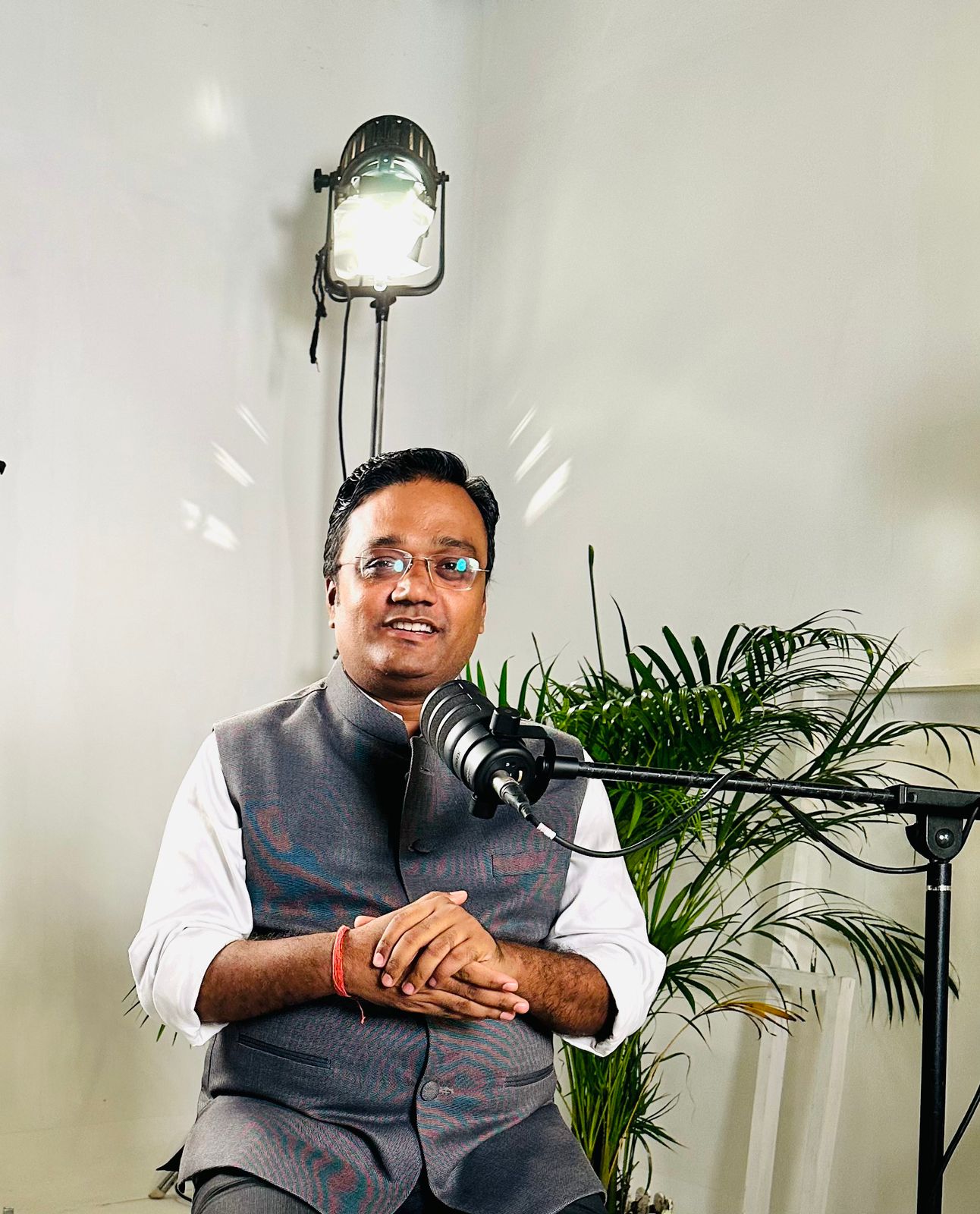 CA Manish Mishra