Search GrowthX Learning Content


Liquor License for Restaurants, Clubs and Bars

Serving alcohol in India is not just about ambience and fine dining. it's a legally controlled privilege governed by each state's Excise Department. The Indian Constitution places alcohol regulation under the State List, empowering every state to frame its own excise laws. This decentralization ensures that while the core objective ensuring public health, revenue generation, and law enforcement is uniform, the procedure, documentation, types of licenses, fees, and legal drinking age vary widely from one state to another.
In this article, CA Manish Mishra talks about Liquor License for Restaurants, Clubs and Bars.
Why Liquor Licenses Matter for Hospitality Businesses
Restaurants, bars, clubs, and lounges must obtain proper liquor licenses to legally serve alcoholic beverages. These licenses act as legal authorization to operate within set norms. Operating without one is not just unethical it is a prosecutable offense that can invite fines, imprisonment, and cancellation of business operations. Additionally, licenses help state governments collect revenue via excise duties and ensure that businesses operate responsibly within the social framework of the region.
Types of Liquor Licenses Issued by States
The licenses issued fall into several broad categories. The most prevalent is the on-license, which allows consumption of alcohol within the premises. These are issued to restaurants, bars, clubs, pubs, and hotels. A club license applies specifically to member-only institutions where only registered members and their guests can be served. Then there are off-licenses, which allow the sale of sealed bottles for takeaway purposes, typically granted to liquor stores. Temporary licenses or event permits are granted for short durations for private parties or public functions. In modern cities, brewpub or microbrewery licenses have emerged to permit the on-site production and sale of craft beer.
Each license type is further identified with specific codes depending on the state. For instance, in Delhi, L-17 applies to standalone restaurants, L-18 to hotel premises, and L-19 to clubs. Maharashtra uses FL-III and FL-IV licenses for similar categories. Fees vary from ₹50,000 to several lakhs annually, based on city, location, size, and type of alcohol served.
Who is Eligible to Apply?
Eligibility norms are primarily tied to age, citizenship, financial and criminal background, and ownership or lease of the premises. Generally, the applicant should be an Indian citizen aged 21 or above (some states like Delhi require 25 years for both applicants and consumers). The premises must comply with municipal zoning norms and not be located near restricted zones such as educational institutions, hospitals, or places of worship. An applicant must have a clean legal record and a valid business registration such as a GST number and trade license.
Application and Documentation Procedure
The application process requires the submission of a prescribed form to the relevant State Excise Department. Supporting documents include identity proof, PAN card, address verification, business registration, premises layout plan, NOC from local police, fire clearance, health department clearance, and a lease or ownership document for the premises. Some states now allow the entire process to be completed online, making it easier for businesses to apply, track, pay, and renew their licenses.
Post submission, the premises are inspected by excise officers. If found compliant, the license is issued for a fixed duration, usually one year, and must be renewed annually. Renewal often requires updated documents, proof of previous year’s compliance, and payment of renewal fees.
Operating Conditions and Compliance Rules
Once granted, the license is subject to strict conditions. These include operating only within the approved hours, serving only permitted types and brands of liquor, not exceeding specified inventory limits, and maintaining detailed stock and sale registers. Additionally, licensees must ensure that alcohol is not served to individuals below the minimum legal drinking age, which varies from state to state (18 to 25 years). Age verification through government-issued ID is mandatory.
The license must be displayed prominently on the premises. Any form of advertisement or promotional discount involving alcohol may be restricted depending on local laws. Premises must also comply with hygiene and safety standards. Any breach of these conditions can result in penalties including temporary suspension, cancellation, fines, or prosecution under the respective state’s Excise Act.
Dry Days and Restrictions
All states publish a calendar of dry days days on which sale of alcohol is prohibited. These usually include national holidays like Republic Day, Independence Day, Gandhi Jayanti, and election-related days such as polling and vote counting days. The rules are strictly enforced, and violations attract immediate suspension and fines. Restaurants and clubs must plan operations keeping these days in mind and ensure zero sale of alcohol on such dates.
Recent Developments and Policy Reforms
Several state governments have recently revised their excise policies to modernize operations, simplify procedures, and increase transparency. Delhi, for instance, has allowed extended serving hours till 3 AM for certain zones, introduced an online application portal, and eliminated redundant licenses. Simultaneously, excise officials in Delhi have carried out strict enforcement actions, shutting down unlicensed bars and serving notices for violations.
In Haryana, reforms around BYOB (Bring Your Own Bottle) areas have mandated clear demarcations, operational kitchen facilities, and improved infrastructure. States like Uttar Pradesh have allowed high-end liquor stores in malls to stay open till 11 PM. Conversely, states like Madhya Pradesh have declared religious towns as “dry zones” with total prohibition.
Digitization is also a key development. States like Maharashtra and Karnataka now use digital monitoring of sales, QR-coded billing, and integrated GST-excise data for compliance tracking. These changes aim to reduce tax evasion, ensure fair pricing, and support honest operators.
Penalties for Non-Compliance
Violation of license conditions leads to strict penal consequences. Under various State Excise Acts, these include monetary fines ranging from ₹10,000 to ₹10 lakhs, seizure of liquor stock, imprisonment for repeat offenders, suspension or cancellation of the license, and blacklisting from future applications. Serving alcohol to minors, violating dry day norms, or serving outside approved hours are some common violations that can severely impact business operations.
Crackdowns are especially stringent during festivals, New Year’s Eve, and elections. Surprise inspections are common, and authorities are empowered to seal premises immediately upon finding irregularities. In some states, even failure to renew the license in time is treated as a violation and penalized accordingly.
Conclusion
Operating a restaurant, bar, or club in India comes with vast opportunities but also heavy responsibilities. The liquor license is not just a permit it is a legal agreement to serve alcohol within a regulated framework. With modern hospitality evolving and nightlife gaining popularity, many state governments are easing outdated rules and embracing digital governance. However, enforcement remains strict to ensure public safety.
By staying compliant with local excise laws, renewing licenses on time, maintaining accurate records, and serving responsibly, businesses can thrive while remaining on the right side of the law. As policy reforms continue to unfold and digital tools become central to licensing and monitoring, responsible operators will find it easier to run successful liquor-serving establishments in India.
- 26 Jun, 2025
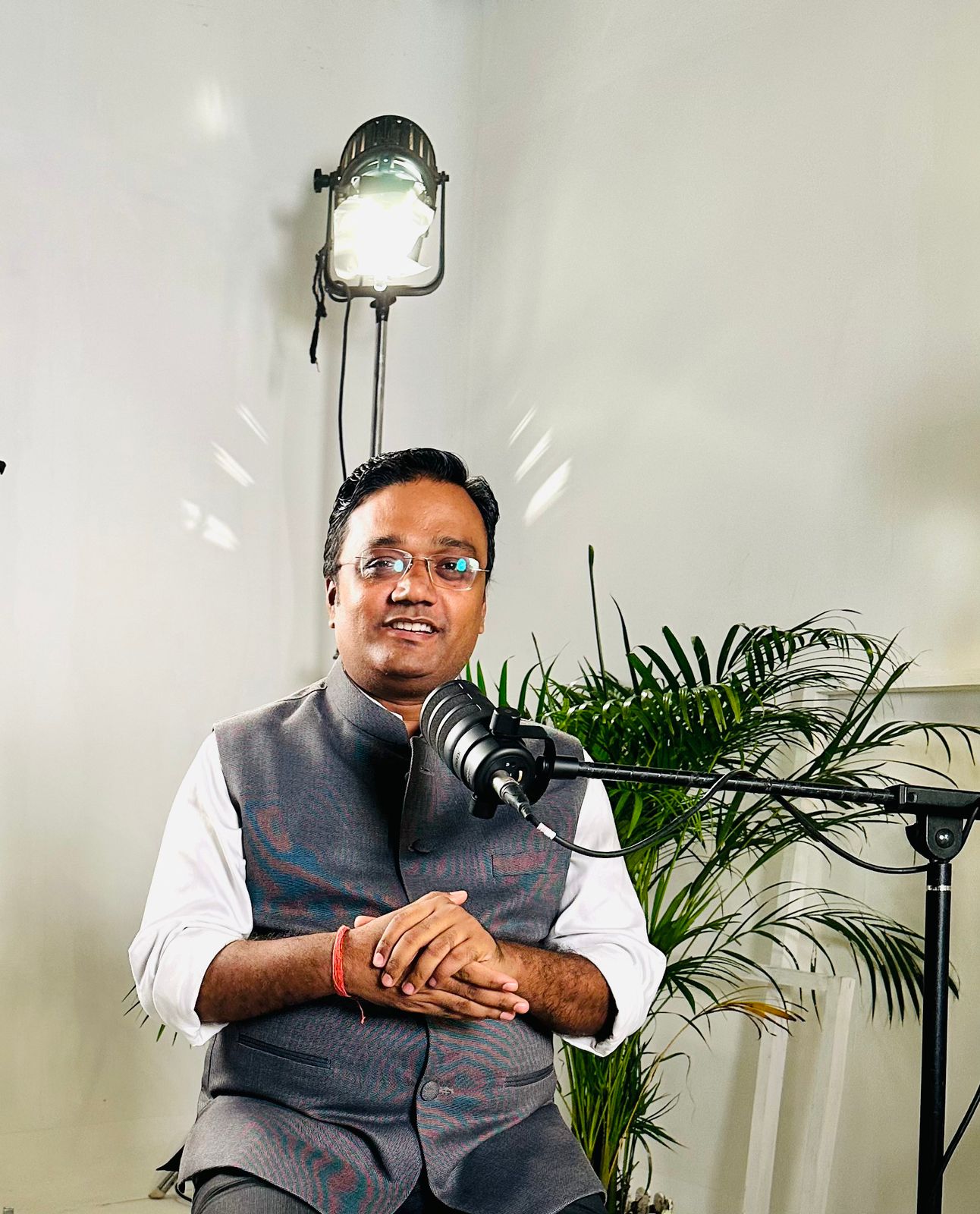 CA Manish Mishra
- Starting Up
CA Manish Mishra is the Co-Founder & CEO at GenZCFO. He is the most sought professional for providing virtual CFO services to startups and established businesses across diverse sectors, such as retail, manufacturing, food, and financial services with over 20 years of experience including strategic financial planning, regulatory compliance, fundraising and M&A.