Search GrowthX Learning Content


Managing Expenses Without Slowing Business Expansion

Managing expenses during business expansion is one of the most delicate challenges faced by growing companies. As organisations scale, costs rise across multiple fronts talent acquisition, infrastructure, technology, marketing, compliance, and operational complexity. While these expenditures are often necessary to support growth, unchecked or poorly prioritised spending can strain cash flows, reduce margins, and weaken financial stability. At the same time, aggressive cost-cutting can damage innovation, slow execution, and weaken competitive advantage.
The objective of expense management during expansion is not to reduce spending arbitrarily, but to ensure that every rupee spent contributes meaningfully to growth, efficiency, or long-term value creation. Businesses that succeed in scaling sustainably adopt a strategic approach to expense management one that aligns costs with business priorities, improves efficiency, and embeds financial discipline without constraining ambition. Effective expense management enables companies to grow faster, stronger, and more resilient.
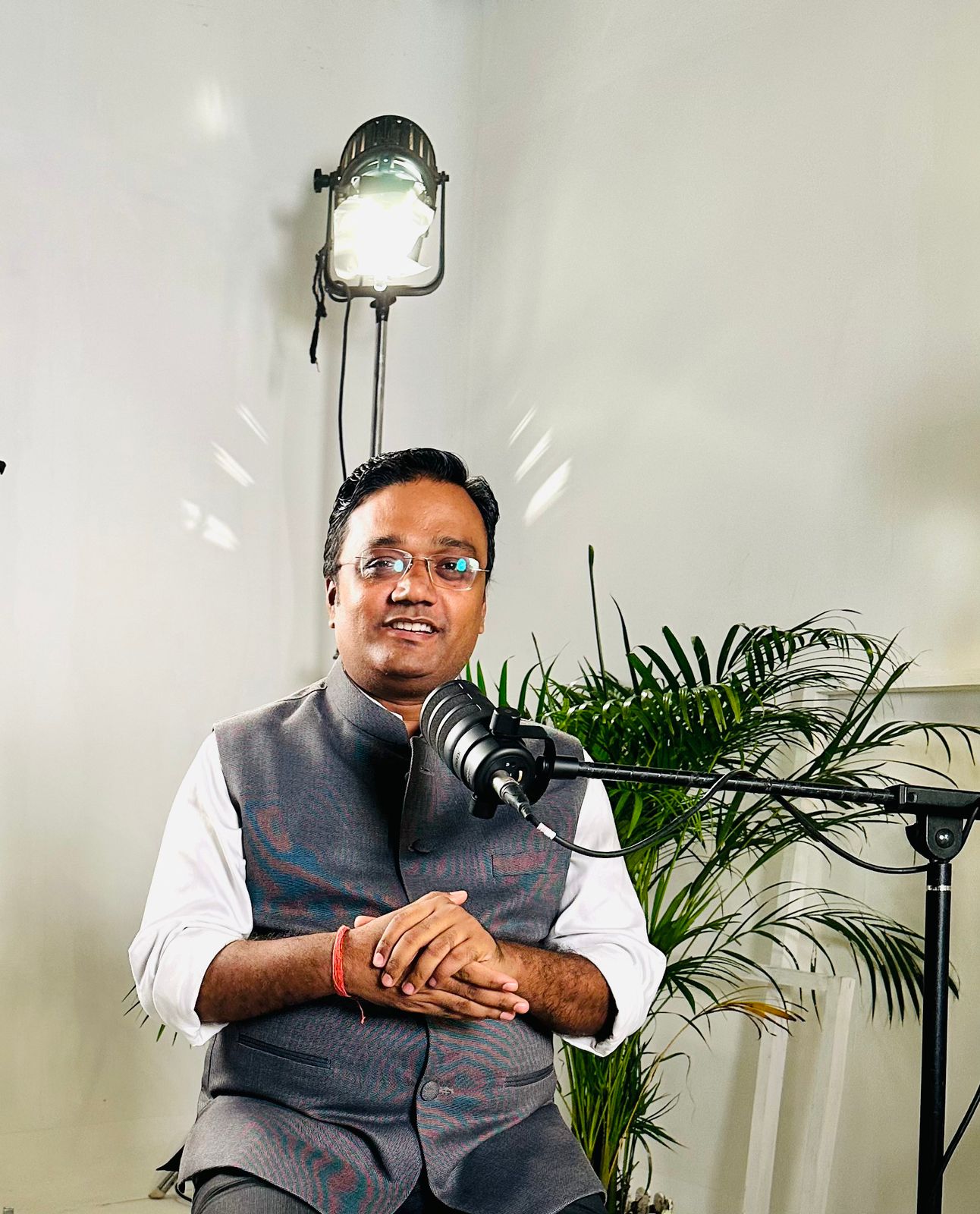
In this article, CA Manish Mishra talks about Managing Expenses Without Slowing Business Expansion.
True Cost Structure of a Growing Business
The foundation of effective expense management lies in understanding how costs behave as the business expands. Many companies struggle because they lack visibility into which costs are fixed, variable, or semi-variable, and how these costs scale with revenue.
Fixed costs such as rent, core salaries, and infrastructure remain constant regardless of output, while variable costs fluctuate with production or sales. Growth often introduces semi-variable costs, such as technology subscriptions or logistics expenses, which increase in steps rather than proportionally. Mapping this cost structure helps management identify pressure points and avoid assumptions that higher revenue will automatically absorb rising costs. Clear cost visibility enables better planning and prevents inefficiencies from compounding as the business grows.
Moving from Cost Reduction to Strategic Cost Optimisation
Cost reduction focuses on cutting expenses, whereas cost optimisation focuses on maximising value from spending. During expansion, cost reduction alone can be counterproductive if it compromises capacity, quality, or customer experience.
Strategic cost optimisation involves evaluating whether each expense delivers measurable business value. This may include renegotiating vendor contracts, streamlining workflows, consolidating tools, or reallocating budgets to higher-performing initiatives. Optimisation ensures that the business continues to invest in growth-critical areas while eliminating waste and inefficiency. It allows expansion to continue without unnecessary financial strain.
Aligning Expenses with Business Strategy and Growth Objectives
Not all growth initiatives are equally important. Expense management becomes effective only when spending decisions are aligned with clear business objectives.
Companies must distinguish between expenses that drive revenue, scalability, or competitive differentiation and those that offer limited strategic benefit. Growth-critical investments such as core technology, key talent, and customer acquisition channels should be protected. Non-essential or low-impact initiatives can be postponed or scaled gradually. Strategic alignment ensures that expense control strengthens, rather than restricts, expansion.
Improving Operational Efficiency to Reduce Cost Pressure
Operational inefficiencies often inflate costs silently. Manual processes, duplicated roles, unclear responsibilities, and poor coordination between departments can increase expenses without improving outcomes.
Improving efficiency through process standardisation, automation, and performance measurement reduces cost pressure while maintaining output quality. Streamlined operations allow businesses to handle higher volumes without proportional increases in cost. Efficiency-focused expense management ensures that growth is supported by stronger systems rather than higher spending.
Using Technology as a Cost Control Enabler
Technology plays a critical role in enabling cost-efficient growth. Scalable digital systems allow businesses to expand operations, customers, and transactions without linear increases in overheads.
Automation reduces dependence on manual labour, minimises errors, and improves speed. Integrated financial and operational systems enhance visibility into expenses and performance. Although technology investments may involve upfront costs, they often generate long-term savings and operational flexibility. When implemented strategically, technology helps businesses expand faster while keeping expenses under control.
Strengthening Vendor and Contract Management
Vendor-related expenses often represent a significant share of operating costs, particularly during expansion. Without active management, businesses may pay for unused services, unfavourable terms, or overlapping vendors.
Regular review of contracts helps identify opportunities for renegotiation, consolidation, or alternative sourcing. Long-term partnerships with key vendors can improve pricing stability and service quality. Effective vendor management ensures that external spending supports growth objectives and does not become a drag on profitability.
Managing Talent and Payroll Costs Without Slowing Growth
People are essential to expansion, but payroll costs can escalate rapidly if hiring decisions are not strategic. Over-hiring, unclear roles, and productivity gaps can strain finances.
Smart talent cost management focuses on productivity, capability building, and role optimisation rather than headcount reduction. Flexible staffing models, performance-based incentives, and skill development improve output without unsustainable payroll growth. Investing in the right talent at the right time supports expansion while maintaining cost discipline.
Budgeting, Controls, and Expense Governance
Strong budgeting and governance frameworks are necessary to manage expenses effectively during expansion. Weak controls can lead to overspending, while rigid controls can slow execution.
Balanced governance involves clear budgets, defined approval thresholds, and regular reviews without excessive bureaucracy. Empowering managers with accountability for spending encourages responsible decision-making. Effective governance ensures that expense discipline coexists with agility and innovation.
Measuring Expense Effectiveness and Return on Investment
Expense management is incomplete without measuring outcomes. Tracking spending alone does not reveal whether expenses are delivering value. Businesses should evaluate the return on investment for major expense categories, particularly marketing, technology, and expansion initiatives. Regular reviews help identify underperforming areas and reallocate resources to higher-impact uses. ROI-focused monitoring ensures that growth remains financially sustainable.
Building a Cost-Conscious but Growth-Oriented Culture
Sustainable expense management depends on organisational culture. When employees understand the link between spending, profitability, and growth, they are more likely to make responsible decisions.
Encouraging transparency, ownership, and accountability fosters a culture where resources are used wisely. Cost-consciousness should be positioned as a growth enabler rather than a restriction. A disciplined culture supports expansion by ensuring that financial resources are deployed where they create the most value.
Conclusion
Managing expenses without slowing business expansion requires a strategic balance between control and investment. By understanding cost drivers, optimising spending, improving efficiency, and aligning expenses with growth priorities, businesses can scale sustainably without sacrificing profitability or agility. Technology, governance, and performance monitoring further strengthen this balance.
Companies that master smart expense management are better positioned to preserve cash, attract investors, and sustain long-term growth. In a competitive environment, disciplined expense management is not about limiting ambition it is about enabling expansion that is efficient, resilient, and value-driven.
Frequently Asked Questions (FAQs)
Q1. Why is expense management critical during business expansion?
Ans. Expense management is critical because growth increases costs across talent, technology, operations, and compliance. Without control, expenses may grow faster than revenue, impacting cash flow and profitability. Structured expense management ensures that expansion remains financially sustainable and does not weaken long-term business stability.
Q2. How is cost optimisation different from cost cutting?
Ans. Cost optimisation focuses on improving efficiency and value from spending, while cost cutting reduces expenses across the board. Optimisation supports growth by eliminating waste without affecting productivity or innovation, whereas aggressive cost cutting can slow execution and harm competitive advantage.
Q3. Can expense controls slow down innovation and execution?
Ans. Poorly designed expense controls can slow innovation, but smart controls prioritise high-impact initiatives. By allowing flexibility for strategic investments and limiting wasteful spending, expense management can support innovation while maintaining financial discipline during expansion.
Q4. How does technology help control expenses during expansion?
Ans. Technology automates processes, improves productivity, and reduces manual effort. Scalable digital systems allow businesses to handle higher volumes without proportionate increases in overheads, enabling growth while keeping costs under control.
Q5. What role does budgeting play in managing growth-related expenses?
Ans. Budgeting provides structure, accountability, and visibility over spending. It ensures expenses align with strategic priorities and prevents overspending. Regular budget reviews help balance financial discipline with the flexibility required for business expansion.
Q6. How should companies manage rising payroll costs?
Ans. Companies should manage payroll costs by improving productivity, defining clear roles, and hiring strategically. Performance management and skill development help increase output without excessive headcount growth, supporting expansion without unsustainable payroll expenses.
Q7. How often should expenses be reviewed during expansion?
Ans. Expenses should be reviewed regularly, typically on a monthly or quarterly basis. Frequent reviews help identify inefficiencies early, control spending, and ensure costs remain aligned with growth objectives and cash flow capacity.
Q8. Can vendor renegotiation reduce costs without affecting quality?
Ans. Yes. Regular contract reviews and vendor renegotiation can lower costs while maintaining service quality. Consolidating vendors and building long-term partnerships often results in better pricing, improved service, and cost stability.
Q9. How does governance support expense discipline?
Ans. Governance establishes clear approval processes, accountability, and oversight. It prevents uncontrolled spending and ensures consistent decision-making, allowing businesses to manage expenses responsibly without slowing down critical growth initiatives.
Q10. How can businesses create a cost-conscious growth culture?
Ans. Businesses can build a cost-conscious culture by promoting transparency, ownership, and awareness of financial impact. When teams understand how spending affects growth and profitability, they make responsible decisions that support sustainable expansion.
- 18 Jan, 2026
 CA Manish Mishra
- Easing Finance
CA Manish Mishra is the Co-Founder & CEO at GenZCFO. He is the most sought professional for providing virtual CFO services to startups and established businesses across diverse sectors, such as retail, manufacturing, food, and financial services with over 20 years of experience including strategic financial planning, regulatory compliance, fundraising and M&A.