Search GrowthX Learning Content


MBOs and EBOs: How to Transfer Ownership the Right Way
As businesses evolve and ownership structures shift, Management Buyouts (MBOs) and Employee Buyouts (EBOs) have become increasingly important tools for seamless transitions. These approaches not only facilitate a strategic exit for current promoters but also foster internal leadership by allowing managers and employees to assume ownership roles.
It is important to ensure continuity and aligning interests within the organization, MBOs and EBOs support long-term stability. However, the legal framework governing such transactions in India is intricate and demands careful planning, due diligence, and strict adherence to regulatory norms.
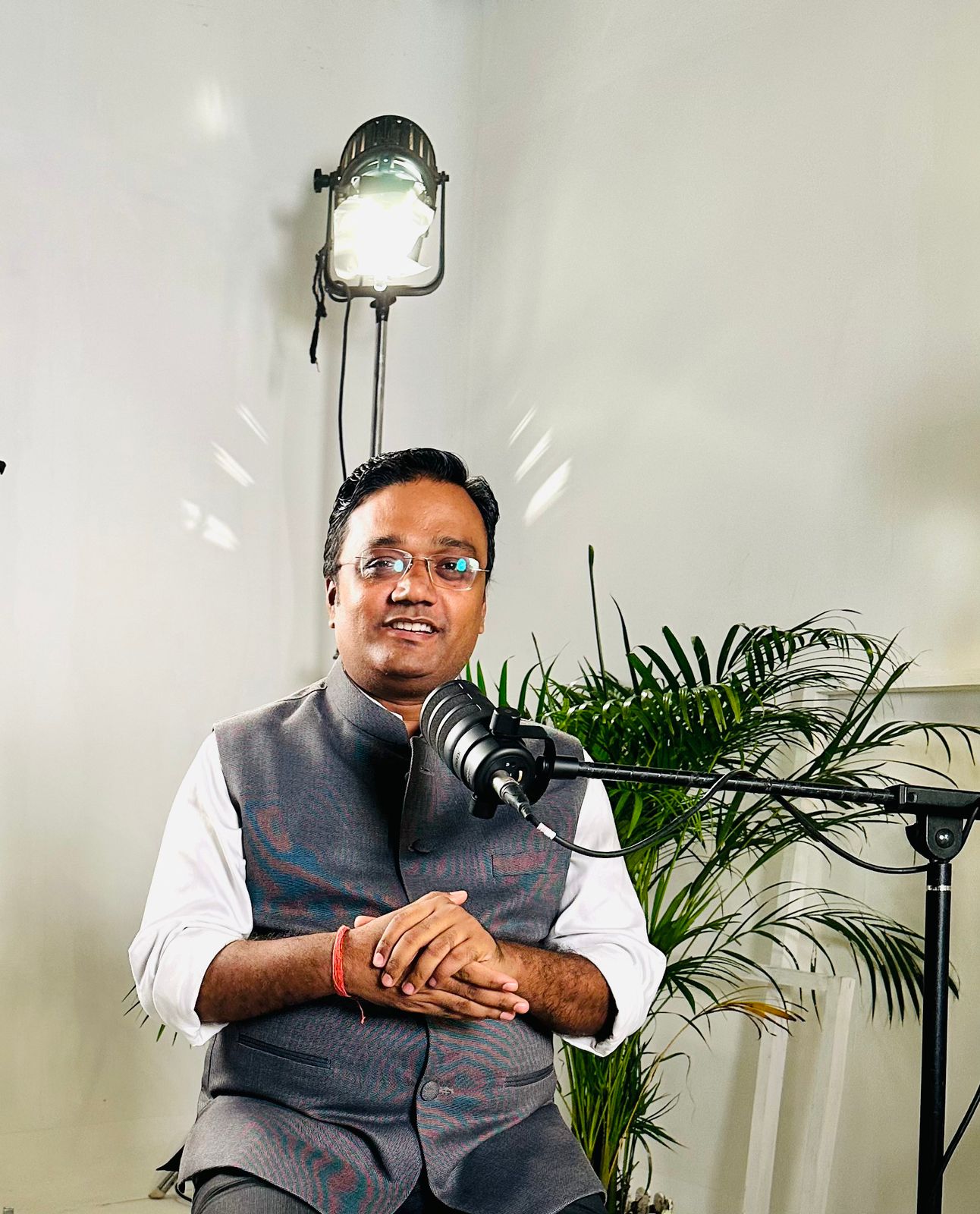
In this article, CA Manish Mishra talks about MBOs and EBOs: How to Transfer Ownership the Right Way.
MBOs and EBOs in India
A Management Buyout (MBO) is a transaction where the existing management team of a company acquires a significant portion or all of the business from its current owners. This transition allows continuity in leadership and often improves operational efficiency. On the other hand, an Employee Buyout (EBO) is a mechanism wherein employees collectively purchase a controlling stake in the company, typically facilitated through an Employee Stock Ownership Plan (ESOP) or trust structure.
These transactions are usually driven by succession planning, strategic restructuring, or divestment by large conglomerates or promoters. In India, while the frequency of such deals is not as high as in Western economies, there is a growing trend, especially in startups, MSMEs, and family-owned businesses, to use MBOs and EBOs for smoother transition and retention of key talent.
Key Legal Framework Governing MBOs and EBOs in India
Companies Act, 2013
The Companies Act plays a central role in enabling ownership transfer in MBOs and EBOs. Relevant provisions include:
-
Section 62(1)(b): Governs the issuance of shares to employees under an ESOP scheme, crucial for EBOs.
-
Section 68: Deals with the power of a company to buy back its own shares, which may be used for restructuring before the transfer.
-
Section 230-232: Facilitates schemes of arrangement and compromise, including buyouts through court-approved schemes.
Section 179 and 180: Empower the Board of Directors to approve buyouts and borrowings required for funding MBO/EBO transactions.
For MBOs, management often incorporates a special purpose vehicle (SPV) to raise funds and acquire the target company’s shares. These transactions must comply with board resolutions and shareholder approvals, depending on the percentage of stake and materiality thresholds.
SEBI Regulations (For Listed Companies)
When the target is a listed entity, SEBI’s Substantial Acquisition of Shares and Takeovers (SAST) Regulations, 2011 come into play.
-
An MBO or EBO involving acquisition beyond the threshold (25%) triggers an open offer obligation under Regulation 3 of SAST Regulations.
-
SEBI’s Prohibition of Insider Trading Regulations, 2015 must also be considered, especially for management who have access to unpublished price-sensitive information (UPSI).
Foreign Exchange Management Act (FEMA), 1999
In case the MBO or EBO involves foreign investors or NRIs, FEMA regulations are critical. The RBI, through its Foreign Direct Investment (FDI) Policy, regulates the acquisition of shares in Indian companies by foreign entities.
-
Approval route vs. automatic route needs to be assessed based on the sector.
-
Pricing guidelines as per RBI notification must be adhered to, particularly in case of sale of shares by resident to non-resident.
Income Tax Act, 1961
The tax implications of MBOs and EBOs vary based on the structure. Key aspects include:
-
Capital gains tax liability on the seller depending on whether the transfer is short-term or long-term.
-
Perquisites tax under Section 17(2)(vi) in case of ESOPs allotted at a discount.
-
Section 56(2)(x): Applies if shares are transferred at less than fair market value.
-
Section 80JJAA and Section 80C may be relevant for employee benefit deductions in case of EBO-linked ESOP schemes.
It is important to obtain a valuation certificate from a registered merchant banker to comply with tax and FEMA pricing norms.
Labour Laws and Employee Benefit Regulations
EBOs must ensure compliance with laws governing employee benefits such as:
-
Payment of Gratuity Act, 1972
-
Employees' Provident Funds and Miscellaneous Provisions Act, 1952
-
Factories Act, 1948 or Shops and Establishments Act depending on the nature of operations
Transitioning employees from regular employees to owner-employees may involve re-drafting employment contracts and structuring incentive plans accordingly.
Steps to Execute an MBO/EBO in India
-
Initial Feasibility and Valuation: The first step involves assessing the viability of the buyout, performing a business valuation, and identifying the funding requirement. Valuation must be supported by a Discounted Cash Flow (DCF) method or Net Asset Value (NAV) method, as applicable.
-
Structuring the Transaction: Depending on the nature of the business, a combination of equity, debt, and mezzanine financing may be used. For MBOs, an SPV is typically created, which may leverage bank financing or private equity. In EBOs, ESOP Trusts or employee cooperatives are set up.
-
Due Diligence and Legal Drafting: Conducting legal, financial, and tax due diligence is critical. Drafting of Share Purchase Agreements (SPAs), Shareholders’ Agreements (SHAs), and Employment Agreements form the backbone of the legal documentation.
-
Regulatory Approvals: Based on the structure, prior approval may be needed from:
-
RBI (for FDI transactions)
-
SEBI (for open offer obligations)
-
RoC/MCA (for filing resolutions and forms like MGT-7, PAS-3, SH-7, and others)
-
NCLT (for schemes of arrangement under Section 230-232)
-
-
Implementation and Transition: Upon completion of approvals, the buyout is implemented, and ownership is transferred. Internal transition mechanisms, such as succession planning, revised governance policies, and performance-linked incentive plans, are put in place.
Recent Trends and Updates
India has seen a rise in employee ownership models, particularly in startups and the IT sector. In the Union Budget 2020, the government allowed deferment of ESOP tax for employees of eligible startups under Section 80-IAC. Moreover, the Companies (Share Capital and Debentures) Amendment Rules, 2021 made issuance and administration of ESOPs easier for unlisted companies.
Also, the recent MCA notification dated May 2023 introduced the concept of sweat equity shares for start-ups under a simplified compliance regime, making EBOs more viable. Simultaneously, SEBI's increased scrutiny on related party transactions and insider trading indicates that MBOs involving promoter-managers must be executed with strict transparency and disclosure standards.
Challenges and Legal Risks
-
Conflict of interest: In MBOs, the same management team acts as both buyer and seller, raising governance concerns.
-
Employee readiness: In EBOs, not all employees may be willing or financially equipped to participate in ownership.
-
Regulatory complexity: Multi-level approvals and disclosures can delay the process.
-
Post-transaction integration: Governance frameworks must evolve post-buyout to ensure strategic alignment and compliance.
Conclusion
Whether it's a Management Buyout or an Employee Buyout, transferring ownership the right way demands careful planning, legal clarity, and strategic execution. With proper structuring, MBOs and EBOs offer sustainable alternatives to traditional exits like private sales or IPOs. However, compliance with the Companies Act, SEBI regulations, FEMA, Income Tax laws, and labour legislations is non-negotiable. With increasing legal reforms aimed at empowering employees and encouraging internal succession, India’s business ecosystem is gradually becoming more conducive to such internal transition mechanisms. Businesses contemplating such a route must engage legal, financial, and tax advisors early in the process to ensure smooth and compliant execution.
Frequently Asked Questions (FAQs)
Q1. What is the difference between an MBO and an EBO?
Ans. An MBO (Management Buyout) involves the company’s management team acquiring ownership, while an EBO (Employee Buyout) involves broader employee participation, typically through ESOPs or employee trusts.
Q2. Which Indian laws govern MBOs and EBOs?
Ans. MBOs and EBOs are governed by the Companies Act, 2013, SEBI regulations (for listed companies), FEMA (for foreign transactions), and the Income Tax Act, 1961. Labour laws also apply in EBO scenarios.
Q3. Can MBOs be done for listed companies in India?
Ans. Yes, but listed company MBOs must comply with SEBI (SAST) Regulations, 2011, and trigger an open offer if acquisition crosses 25% of voting rights or control.
Q4. Are ESOPs necessary for Employee Buyouts (EBOs)?
Ans. While not mandatory, ESOPs are the most common tool used in EBOs to transfer ownership to employees in a tax-efficient and structured manner.
Q5. How is the valuation of the company done in MBO/EBO transactions?
Ans. Valuation is typically done through methods like Discounted Cash Flow (DCF) or Net Asset Value (NAV), and a merchant banker certificate is required for regulatory compliance.
Q6. Is prior RBI approval needed for an MBO/EBO involving foreign investment?
Ans. Yes, if a non-resident acquires shares, FEMA provisions apply. Depending on the sector, prior RBI approval may be required if not under the automatic route.
Q7. What are the tax implications for employees in an EBO?
Ans. Employees may face perquisite tax at the time of exercising ESOPs under Section 17(2), and capital gains tax when they sell the shares. Valuation is critical to avoid additional tax under Section 56(2)(x).
Q8. Can a company use debt funding for MBOs?
Ans. Yes, MBOs often involve leverage or debt financing through banks, NBFCs, or private equity, typically routed via an SPV created by the management team.
- 25 Jul, 2025
 CA Manish Mishra
- Easing Finance
CA Manish Mishra is the Co-Founder & CEO at GenZCFO. He is the most sought professional for providing virtual CFO services to startups and established businesses across diverse sectors, such as retail, manufacturing, food, and financial services with over 20 years of experience including strategic financial planning, regulatory compliance, fundraising and M&A.