Search GrowthX Learning Content


Medical Store License for Chemists: Retail vs Wholesale

Operating a medical store in India whether as a retail chemist dispensing medicines directly to patients or as a wholesale dealer supplying medicines to pharmacies and healthcare facilities requires strict compliance with the Drugs & Cosmetics Act, 1940 and the Drugs & Cosmetics Rules, 1945. Under these rules, a medical store must obtain the appropriate license type Retail (Form 20) or Wholesale (Form 21) depending on its business model, with additional permits for manufacturers or 3rd-party packagers. Each license has unique eligibility conditions, documentation obligations, storage standards, pharmacist qualifications, record-keeping requirements, and periodic renewal obligations.
In this article, CA Manish Mishra talks about Medical Store License for Chemists: Retail vs Wholesale.
Retail (Form 20) License
A Retail Drug License (Form 20) authorizes a chemist’s shop to sell Schedule H, H1, S, and non-prescription drugs directly to patients under the supervision of a registered pharmacist. To qualify, the shop must employ a qualified registered pharmacist, usually with a Diploma in Pharmacy (D.Pharm.) or Bachelor of Pharmacy (B.Pharm.) and must hold an active registration with the State Pharmacy Council. The premises must meet defined standards: a secure, hygienic, and well-ventilated store with adequate shelving, clean storage conditions, refrigeration where necessary (for cold-chain medicines like insulin or vaccines), safety measures, and adequate waste disposal systems.
The application for a retail drug license must be submitted to the State Drug Control Department in the prescribed form, along with pertinent documents including proof of premises ownership or lease, pharmacist qualification and registration certificates, layout map, and electricity or fire safety clearance. Fee payment and police verification of the owner are typically required. Once granted, the license is valid for 1–5 years depending on state regulations and requires timely renewal. Licensed shops must maintain legally mandated registers such as Purchase Book, Sale Book, Controlled Drugs Register, and Schedule H/H1 Registers. They must also prominently display price lists, bill patients for each sale, avoid expired or counterfeit stock, and permit inspections by drug inspectors. Operating without a pharmacist or outside permitted hours can lead to license cancellation, monetary fines, or criminal proceedings.
Wholesale (Form 21) License
A Wholesale Drug License (Form 21) is required to supply medicines in bulk to hospitals, other chemists, and distribution networks. Applicants must meet more stringent conditions: a larger, dedicated storage facility; temperature and humidity-controlled environments; refrigeration and backup power; secure restricted-access arrangements; and a registered pharmacist or competent technical officer appointed in charge. The size of premises, storage capacity, and security measures vary depending on whether the applicant intends to trade narcotics or psychotropic substances (controlled under NDPS rules).
The application for wholesale licensing includes similar documentation to retail, with added focus on storage infrastructure, detailed inventory control systems, prescribing credentials of the technical officer, and NOC for narcotic handling if applicable. The license is also valid for a fixed period subject to renewal. Wholesalers maintain more extensive records such as stock registers, supply details, and records of restricted/semi-controlled substances. They are also subject to random audits for compliance, including verification of cold-chain integrity, license validity of suppliers, and authenticity of invoices. Any breach—like unauthorized distribution, diversion of controlled substances, or failure to hire qualified staff—can result in license suspension, seizure of stock, or legal enforcement including prosecution.
Key Differences
While both license types share common foundations—registration, pharmacist supervision, periodic inspections, and strict record-keeping—they differ in scale, infrastructure, and scope of activities. Retail licensure focuses on sale to consumers, whereas wholesale license enables bulk distribution to trade counterparts. The responsibilities under wholesale operations often involve broader supply chain oversight and regulatory scrutiny, especially concerning controlled substances and larger quantities.
Inter-State Supply and Import-Export
Wholesale dealers who import medicines or ship interstate must obtain an Import License (Form 10) from the Central Drugs Standard Control Organization (CDSCO) alongside approval under Central Rules. Interstate dispatch is also governed by conditions under Rule 65 and necessitates GSP (Good Supply Practice) adherence, requiring wholesalers to implement GST billing, transport records, and temperature monitoring during transit. The DEA (Drug Enforcement Administration) compliance is mandatory for scheduled drugs, adding another layer of licensing and record retention.
Recent Updates and Regulatory Trends
In recent years, regulators have introduced updates like online filing of license applications, risk-based inspections, and tighter surveillance of both retail and wholesale dealers to curb counterfeit medicines. Enforcement of Good Storage Practices (GSP) guidelines, especially for cold-chain drugs and Schedule H substances, has increased. Additionally, introduction of the Pharmacy Council of India’s continuing education mandates ensures that registered pharmacists stay current with evolving pharmaceutical practices and professional ethics.
Conclusion
Beginner chemists entering the pharmacy sector must decide whether to operate a retail outlet or a wholesale enterprise. Each pathway requires obtaining the appropriate license—Form 20 for retail, Form 21 for wholesale—with distinct eligibility criteria, infrastructure requirements, pharmacist-staffing norms, and compliance obligations. Both license types entail accountability through pharmacists, comprehensive documentation, periodic renewals, and inspections. Given the evolving digital filings and stronger regulation of medicine integrity, licensed dealers must stay updated and compliant to ensure consumer safety, safeguard business continuity, and uphold professional standards in the pharmaceutical sector.
- 25 Jun, 2025
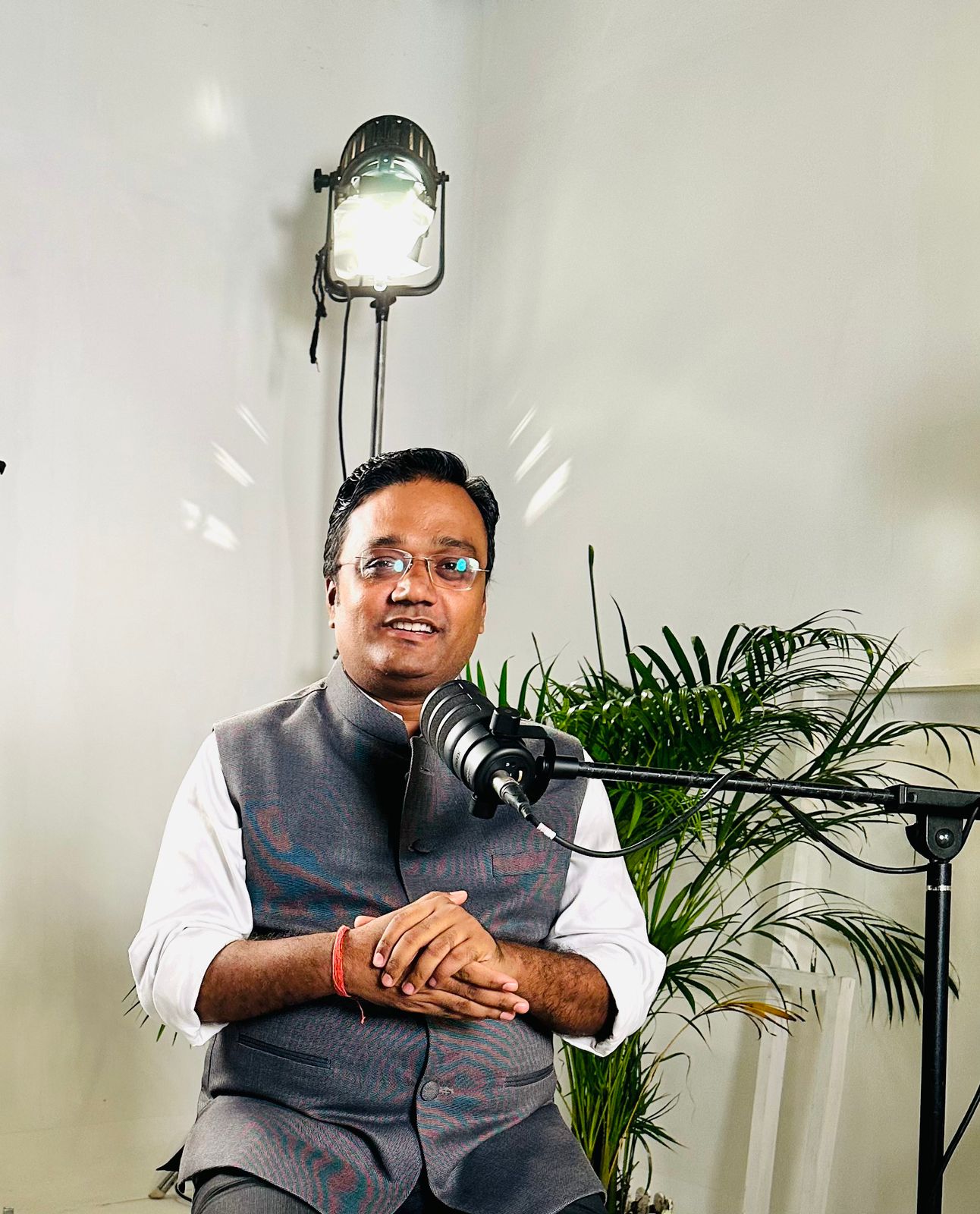 CA Manish Mishra
- Starting Up
CA Manish Mishra is the Co-Founder & CEO at GenZCFO. He is the most sought professional for providing virtual CFO services to startups and established businesses across diverse sectors, such as retail, manufacturing, food, and financial services with over 20 years of experience including strategic financial planning, regulatory compliance, fundraising and M&A.