Search GrowthX Learning Content


Practical Ways to Stabilize Cash Flow During Slowdowns

Economic slowdowns are a reality that every business faces at some stage of its lifecycle. These slowdowns may be triggered by market downturns, reduced consumer spending, supply chain disruptions, regulatory changes, or broader macroeconomic uncertainty. During such periods, revenues often decline or become irregular, while expenses such as salaries, rent, utilities, loan repayments, and statutory obligations continue uninterrupted. This imbalance places immediate pressure on cash flow, even for companies that are fundamentally strong and well-managed.
Stabilizing cash flow during a slowdown is not about halting business activity or cutting costs indiscriminately. Instead, it requires a structured, disciplined, and forward-looking approach to liquidity management. Businesses must shift their focus from aggressive growth to financial resilience by improving cash visibility, tightening controls, prioritizing critical payments, and preserving liquidity. Companies that adopt practical cash stabilization strategies during downturns are better equipped to survive uncertainty and position themselves for recovery when market conditions improve.
In this article, CA Manish Mishra talks about Practical Ways to Stabilize Cash Flow During Slowdowns.
Strengthening Cash Flow Visibility and Monitoring
During slowdowns, lack of visibility into cash positions is one of the biggest risks for businesses. Decisions based on outdated or incomplete information often lead to delayed reactions, missed obligations, and avoidable liquidity crises.
Companies should move from periodic cash reviews to frequent monitoring, such as daily or weekly cash position analysis. This includes tracking bank balances, expected inflows, committed outflows, and near-term obligations. Clear cash visibility enables management to anticipate pressure points early, sequence payments strategically, and avoid sudden disruptions. Improved monitoring also builds confidence among lenders and stakeholders by demonstrating control over cash movements.
Revisiting Cash Flow Forecasts and Assumptions
Cash flow forecasts prepared during stable or growth periods often become unreliable during slowdowns. Assumptions around sales volumes, collection timelines, and operating costs may no longer hold true.
Businesses must reassess their forecasts using conservative assumptions. This includes factoring in delayed customer payments, reduced order volumes, and potential cancellations. Scenario-based forecasting covering optimistic, realistic, and worst-case outcomes helps management prepare contingency plans. Regularly updated forecasts act as an early warning system and guide timely decisions such as cost adjustments, funding arrangements, or payment prioritization.
Accelerating Receivables and Improving Collections
Receivables are often the quickest source of cash during a slowdown. However, customers may delay payments due to their own cash constraints, increasing pressure on suppliers and service providers.
Businesses should actively review ageing reports and focus on collecting overdue invoices. Structured follow-ups, clear communication, and quick resolution of billing disputes can significantly improve collections. For new sales, revising payment terms, requesting partial advances, or offering early payment incentives can improve cash inflows. A disciplined receivables strategy stabilizes liquidity without damaging customer relationships.
Tightening Control Over Expenses and Discretionary Spend
Slowdowns demand tighter control over spending. Many businesses experience cash stress because discretionary expenses continue unchecked even when revenues decline.
Management should review all expense categories to distinguish between essential and non-essential costs. Non-critical expenses such as expansion initiatives, non-urgent marketing, travel, or subscriptions can often be deferred. Vendor contracts may be renegotiated to reflect reduced activity levels. Expense control should be strategic, ensuring that core operations, compliance, and customer service are not compromised while preserving cash.
Optimising Working Capital
Working capital management plays a critical role in cash stabilization during downturns. Excess inventory, inefficient procurement, or long receivable cycles can lock up cash unnecessarily.
Businesses should reassess inventory levels and reduce slow-moving or excess stock. Procurement plans must align with realistic demand forecasts rather than optimistic projections. On the payables side, negotiating extended payment terms with suppliers without damaging trust can provide short-term liquidity relief. Optimized working capital unlocks cash already within the business and reduces dependence on external funding.
Prioritising Statutory and Payments
When cash is limited, not all payments carry equal importance. Failure to prioritize critical obligations can lead to legal penalties, operational disruption, and reputational damage.
Statutory dues such as taxes, employee-related payments, and mandatory contributions must be planned and paid on time. Payroll, utilities, and key supplier payments essential to business continuity should take precedence. Creating a payment hierarchy ensures that limited cash is deployed where it matters most, protecting the business from long-term consequences while managing short-term stress.
Building Short-Term Liquidity Buffers
Liquidity buffers provide breathing space during uncertain periods. Even modest reserves can prevent panic-driven decisions and operational disruption.
Businesses should assess available liquidity options such as unused credit lines, overdraft facilities, or internal reserves. The objective is not long-term borrowing but ensuring access to funds when needed. Readily available liquidity allows management to focus on stabilization and recovery rather than survival.
Renegotiating with Lenders, Vendors, and Stakeholders
Open and timely communication with lenders, suppliers, and key stakeholders is essential during slowdowns. Avoiding difficult conversations often worsens financial stress.
Businesses can seek temporary repayment adjustments, revised credit terms, or flexible payment schedules aligned with reduced cash inflows. Vendors and lenders are often more cooperative when approached early with transparency and realistic plans. Proactive renegotiation preserves relationships and prevents defaults or disputes.
Avoiding Panic Cost-Cutting and Short-Term Fixes
While cost control is necessary, indiscriminate cuts can weaken the business’s ability to recover. Eliminating critical staff, compliance spending, or technology support may create future operational and legal risks.
Cash stabilization should focus on sustainable adjustments rather than short-term fixes. Management must balance immediate liquidity needs with long-term viability. Thoughtful decision-making ensures that the business remains capable of scaling once conditions improve.
Strengthening Governance and Decision Discipline
Strong governance becomes even more important during periods of financial stress. Uncoordinated decisions and unclear authority can worsen cash problems. Clear approval limits, defined cash authority, and regular review meetings help maintain discipline. Documented decisions and transparent reporting improve accountability and stakeholder confidence. Good governance ensures that cash stabilization efforts are consistent, controlled, and aligned with business priorities.
Conclusion
Stabilizing cash flow during slowdowns requires more than reactive cost-cutting or short-term borrowing. It demands a structured, disciplined approach focused on visibility, planning, prioritization, and stakeholder engagement. By strengthening cash monitoring, revising forecasts, accelerating collections, optimizing working capital, and preserving liquidity, businesses can protect their financial health without undermining core operations.
Companies that manage cash effectively during downturns not only survive periods of uncertainty but also position themselves to recover faster and grow stronger when conditions improve. Practical cash flow stabilization is ultimately about resilience ensuring that the business remains stable, credible, and ready for the next phase of growth.
Frequently Asked Questions (FAQs)
Q1. Why do businesses experience cash flow stress during economic slowdowns?
Ans. During economic slowdowns, customer demand often weakens, sales cycles become longer, and payment delays increase. At the same time, fixed costs such as salaries, rent, loan repayments, and statutory dues continue without reduction. This creates a gap between cash inflows and outflows. Even financially sound businesses may face stress because cash collection slows while obligations remain constant. Additionally, uncertainty during slowdowns makes forecasting difficult, increasing the risk of sudden liquidity shortfalls if proactive measures are not taken.
Q2. How frequently should businesses monitor cash flow during a slowdown?
Ans. During a slowdown, businesses should monitor cash flow far more frequently than in stable periods. Weekly or even daily monitoring is advisable, especially for companies with thin margins or high fixed costs. Frequent monitoring provides early warning signals, allowing management to prioritize payments, accelerate collections, or reduce discretionary spending in time. It also improves decision-making by ensuring that actions are based on current liquidity rather than outdated financial reports.
Q3. What are the most effective immediate actions to improve cash flow?
Ans. The most effective immediate actions include accelerating receivables, tightening expense controls, and improving visibility over short-term cash obligations. Active follow-up on overdue invoices, resolving billing disputes quickly, and revising payment terms can release cash rapidly. Simultaneously, postponing non-essential spending and renegotiating vendor payment terms can ease pressure. These actions improve liquidity without requiring long-term structural changes or additional borrowing.
Q4. Should companies completely stop spending during slowdowns?
Ans. Completely stopping spending during a slowdown is neither practical nor advisable. Essential expenses related to operations, compliance, payroll, and customer service must continue to ensure business continuity. The focus should be on identifying discretionary or non-critical expenses that can be deferred or reduced temporarily. Strategic expense control helps conserve cash while preserving the company’s ability to operate, serve customers, and recover when conditions improve.
Q5. How does working capital optimisation help stabilize cash flow?
Ans. Working capital optimisation helps stabilize cash flow by releasing funds already tied up in the business. Reducing excess inventory, improving receivable collection timelines, and negotiating extended payment terms with suppliers can significantly improve liquidity. During slowdowns, aligning procurement and inventory levels with realistic demand forecasts prevents unnecessary cash blockage. Efficient working capital management reduces dependence on external funding and strengthens financial flexibility.
Q6. Is short-term borrowing a good solution during a slowdown?
Ans. Short-term borrowing can provide temporary liquidity relief but should be approached cautiously. While access to credit may help manage immediate cash gaps, excessive borrowing increases repayment obligations and future cash pressure. Businesses should ensure that any borrowing aligns with realistic recovery timelines and repayment capacity. Short-term facilities should be used as support mechanisms rather than substitutes for disciplined cash management.
Q7. Why is proactive communication with lenders and vendors important?
Ans. Proactive communication builds trust and often leads to cooperative solutions during periods of financial stress. Lenders and vendors are more likely to offer flexible repayment schedules or revised terms when informed early about cash challenges. Transparent discussions demonstrate responsible management and reduce the risk of defaults, penalties, or strained relationships. Delayed communication, on the other hand, can escalate issues and limit available options.
Q8. What role does governance play in managing cash during slowdowns?
Ans. Strong governance ensures that cash decisions are disciplined, coordinated, and aligned with business priorities. Clear approval hierarchies, defined authority levels, and regular management reviews prevent unplanned or impulsive spending. Governance frameworks also improve accountability and transparency, which are critical during periods of stress. Effective governance enables consistent decision-making and protects the business from internal control failures during slowdowns.
Q9. How can technology support cash flow stabilization?
Ans. Technology enhances cash flow stabilization by providing real-time visibility into inflows and outflows. Automated systems track receivables, payables, and forecasts more accurately than manual processes. Digital dashboards enable faster decision-making and early identification of risks. Technology also reduces errors and administrative delays, allowing finance teams to focus on strategic actions rather than routine tracking during uncertain periods.
Q10. How can businesses prepare in advance for future slowdowns?
Ans. Businesses can prepare for future slowdowns by maintaining liquidity buffers, strengthening cash governance, and building flexible cost structures during stable periods. Regular cash forecasting, conservative leverage, and disciplined working capital management create resilience. Preparing contingency plans and maintaining access to credit lines ensures that businesses can respond quickly and effectively when economic conditions deteriorate.
- 18 Jan, 2026
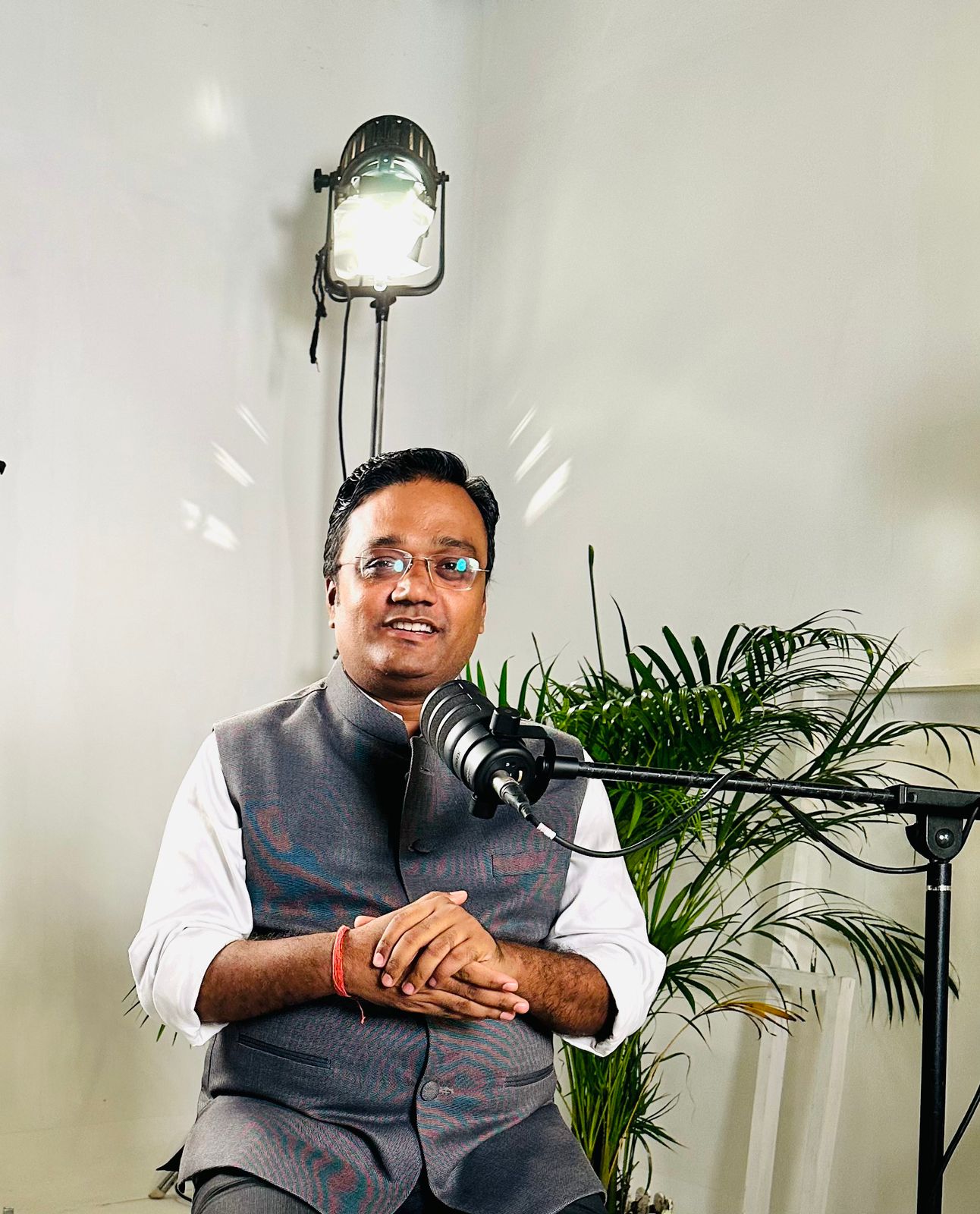 CA Manish Mishra
- Starting Up
CA Manish Mishra is the Co-Founder & CEO at GenZCFO. He is the most sought professional for providing virtual CFO services to startups and established businesses across diverse sectors, such as retail, manufacturing, food, and financial services with over 20 years of experience including strategic financial planning, regulatory compliance, fundraising and M&A.