In 2026, Non-Banking Financial Companies (NBFCs) play an important role in supporting India’s business and MSME ecosystem by offering quicker and more flexible access to credit compared to traditional banks. Many startups, professionals, and small businesses prefer NBFC business loans because of faster approvals, simplified documentation, and relaxed eligibility criteria. NBFCs often assess alternative financial data such as bank statements, GST returns, and cash flows, which helps businesses that may not qualify easily for bank finance. This flexibility and speed make NBFC loans a practical solution for working capital needs, expansion plans, and short-term funding requirements.
However, NBFC business loans also come with certain risks that borrowers must carefully evaluate. These loans usually carry higher interest rates, additional fees, and stricter loan agreements. From a legal perspective, NBFC loans are governed by RBI regulations, the Indian Contract Act, security enforcement laws such as the SARFAESI Act (for secured loans), digital lending norms, and data protection rules. Once the agreement is signed, borrowers are legally bound by all terms, including penal charges and default clauses. Therefore, understanding the legal implications and total cost of borrowing is essential before opting for an NBFC loan.
In this article, CA Manish Mishra talks about Pros and Cons of Taking a Business Loan from NBFCs in 2026.
Legal Framework Governing NBFC Business Loans in 2026
RBI Regulation of NBFCs
In 2026, NBFCs function under the close regulatory supervision of the Reserve Bank of India (RBI). They are required to follow RBI’s Master Directions and the Scale-Based Regulation (SBR) framework, which classifies NBFCs into Base, Middle, Upper, and Top layers based on their size, risk profile, and systemic importance. As an NBFC moves to a higher layer, it becomes subject to stricter rules relating to governance, capital adequacy, risk management, and disclosures. This framework is designed to strengthen financial stability and protect borrowers by ensuring better transparency, internal controls, and accountability. However, it is important to note that RBI does not prescribe interest rate caps for NBFC loans, allowing NBFCs the freedom to price loans based on risk and market conditions.
Contractual Nature of Business Loans
An NBFC business loan is essentially a contract between the lender and the borrower, governed by the Indian Contract Act, 1872. Once the loan agreement is signed, all the terms mentioned in the document such as interest rate, repayment schedule, fees, penal charges, covenants, and default conditions become legally binding. Borrowers are obligated to comply strictly with these terms, and any breach may trigger legal consequences or recovery actions. Importantly, verbal promises or assurances given by sales agents or relationship managers have no legal standing unless they are clearly recorded in the written loan agreement or annexures.
Pros of Taking a Business Loan from NBFCs in 2026
Faster Loan Processing
One of the biggest advantages of NBFC business loans in 2026 is the speed at which loans are processed and disbursed. Unlike banks, NBFCs follow streamlined credit appraisal systems and rely on alternative data such as bank statements, GST returns, sales records, and digital payment histories. This allows them to assess creditworthiness quickly and release funds in a shorter time frame, which is especially beneficial for businesses facing urgent working capital needs or time-sensitive expansion opportunities.
Flexible Eligibility Criteria
NBFCs are generally more flexible than banks when it comes to borrower eligibility. They are more open to lending to startups, MSMEs, professionals, and businesses with limited collateral or irregular cash flows. Instead of focusing solely on balance sheets and fixed assets, NBFCs consider future earning potential and cash-flow trends, enabling many small and emerging businesses to access credit that may otherwise be unavailable through traditional banking channels.
Wide Range of Customised Products
Another key benefit is the wide variety of loan products offered by NBFCs. These include unsecured business loans, machinery and equipment finance, invoice discounting, and supply-chain finance. Such products are often customised to suit specific industries or business models, with repayment schedules aligned to cash-flow cycles. This flexibility helps borrowers manage repayments more efficiently without straining day-to-day operations.
Improved Transparency Through Key Facts Statement (KFS)
The introduction of the Key Facts Statement (KFS) framework by RBI has significantly improved transparency in NBFC lending. Effective from April 2024, the KFS requires lenders to clearly disclose the interest rate, Annual Percentage Rate (APR), and all applicable charges in a standardised format. By 2026, this has made it easier for borrowers to understand the true cost of borrowing and compare loan offers across different NBFCs before making a decision.
Digital Convenience with Regulatory Safeguards
NBFCs increasingly offer digital loan journeys through online platforms and mobile applications. Under RBI’s digital lending framework, these digital processes are subject to regulatory oversight, ensuring accountability and borrower protection. As a result, businesses benefit from easy access, faster documentation, better traceability of transactions, and structured grievance redress mechanisms, all while remaining within the regulated financial system.
Cons of Taking a Business Loan from NBFCs in 2026
Higher Cost of Borrowing
One of the main drawbacks of NBFC business loans in 2026 is their higher cost compared to traditional bank loans. Unsecured NBFC loans, in particular, carry higher interest rates due to increased credit risk. In addition to interest, borrowers may have to pay processing fees, documentation charges, penal charges for delayed payments, and prepayment or foreclosure penalties. When these costs are combined, the effective cost of borrowing can be significantly higher, making it essential for businesses to evaluate the total loan cost before proceeding.
Stringent Contractual Clauses
NBFC loan agreements are often drafted with strict contractual terms to protect the lender. These agreements may include broad definitions of default, acceleration clauses that make the entire outstanding loan immediately payable, and restrictive covenants related to business operations or additional borrowing. In some cases, even a technical or procedural breach such as delayed submission of financial statements can trigger default. Therefore, careful legal review of the loan agreement is critical.
Recovery and Enforcement Risks
For secured business loans, NBFCs have the right to initiate recovery proceedings under the SARFAESI Act, 2002, subject to eligibility conditions. This law allows lenders to enforce security interests without approaching a court, which may result in possession or sale of secured assets if defaults continue. Such enforcement can severely disrupt business operations and lead to loss of valuable assets.
Penal Charges on Default
As per RBI directions, NBFCs must levy penal charges instead of penal interest for defaults. While this approach improves transparency, penal charges can still accumulate in cases of repeated or prolonged defaults. Over time, these charges can substantially increase the repayment burden and may also lead to recovery actions and adverse credit reporting.
Complexity in Digital Lending Arrangements
When NBFC loans are sourced through fintech platforms acting as Lending Service Providers, borrowers may face confusion regarding roles and responsibilities. Mis-selling by digital platforms, differences between app-based representations and the final loan agreement, and lack of clarity on grievance handling can create disputes. Borrowers must ensure that the RBI-regulated NBFC is clearly identified as the lender and that all terms are verified in official documents.
Key Legal Aspects Borrowers Must Check Before Signing
Loan Agreement and Security Documents
Before signing any NBFC business loan, borrowers must carefully review the loan agreement along with all related security and guarantee documents. These documents define the rights of the NBFC in case of default, including recovery actions, enforcement of security, and invocation of personal or corporate guarantees. It is important to understand the type of security being created such as hypothecation, pledge, or mortgage—and the extent of liability under guarantee clauses. Any ambiguity or unfavorable term in these documents can have serious legal and financial consequences if repayment issues arise.
Disclosure and APR Verification
Borrowers should ensure that they receive the Key Facts Statement (KFS) before executing the loan agreement. The KFS provides a clear summary of the interest rate, Annual Percentage Rate (APR), and all applicable charges. Verifying these disclosures helps borrowers understand the true cost of the loan and prevents disputes related to hidden fees or unexpected charges later. Signing the agreement without proper disclosure can weaken the borrower’s position in case of disagreements.
Digital Lending Compliance
For loans obtained through online platforms or mobile applications, borrowers must confirm that the lender is an RBI-regulated NBFC. It is equally important to verify the official contact details of the lender and the grievance redress mechanism. This ensures accountability and protects borrowers from unregulated or fraudulent digital lending practices.
Data Protection and Consent
The Digital Personal Data Protection Act, 2023 regulates how personal data is collected, processed, and shared during the lending process. Borrowers should ensure that their personal and financial data is collected only with proper consent and used strictly for legitimate lending purposes. This protects borrowers from misuse of sensitive information and unauthorized data sharing.
Grievance Redressal and Borrower Remedies
Internal Grievance Mechanism
NBFCs are required by the Reserve Bank of India to have a structured internal grievance redress mechanism in place. This mechanism allows borrowers to raise complaints related to loan processing delays, incorrect charges, unfair practices, recovery issues, or service deficiencies. NBFCs must acknowledge and resolve such complaints within prescribed timelines, usually through a designated grievance or customer care officer. Borrowers are expected to first approach this internal mechanism before seeking external remedies, as it provides the lender an opportunity to resolve the issue directly.
RBI Integrated Ombudsman Scheme, 2021
If a borrower’s complaint is not resolved satisfactorily by the NBFC within the stipulated time, the borrower has the right to escalate the matter under the RBI Integrated Ombudsman Scheme, 2021. This scheme offers a cost-free and independent forum for resolving service-related disputes involving RBI-regulated entities, including NBFCs. Complaints may relate to issues such as unfair charges, non-disclosure of loan terms, improper recovery practices, or poor grievance handling. The Ombudsman can issue directions to the NBFC for corrective action, providing borrowers with an effective legal remedy outside the court system.
Recent Regulatory Updates Impacting NBFC Loans in 2026
In 2026, several regulatory developments have significantly influenced the way NBFC business loans are offered and managed. One of the most important changes is the strengthened enforcement of the Key Facts Statement (KFS) framework. RBI has increased its focus on ensuring accurate and timely disclosure of interest rates, Annual Percentage Rate (APR), and all charges in a standardised format. This move aims to prevent hidden costs and ensure that borrowers clearly understand the true cost of borrowing before signing loan agreements.
Another major update is the formalisation of Digital Lending Directions, which brings clarity and uniformity to app-based and online lending by NBFCs. These directions impose stricter responsibilities on NBFCs for the actions of fintech partners acting as Lending Service Providers, including disclosures, data usage, and grievance handling. Additionally, RBI has enhanced scrutiny of fintech partnerships and risk-sharing arrangements to curb mis-selling and protect borrowers. Alongside this, RBI’s renewed focus on customer protection and faster grievance resolution from 2026 reflects a stronger regulatory push toward fair lending practices and improved borrower confidence in the NBFC lending ecosystem.
Frequently Asked Questions (FAQs)
Q1. What is an NBFC business loan?
Ans. An NBFC business loan is a financial facility provided by a Non-Banking Financial Company to businesses for purposes such as working capital, business expansion, purchase of machinery, inventory funding, or meeting operational expenses. Unlike banks, NBFCs do not accept demand deposits but are authorised by the Reserve Bank of India to lend. These loans can be secured or unsecured and are governed by RBI regulations, contractual terms, and applicable recovery laws. NBFC business loans are especially popular among MSMEs and small enterprises due to easier access and faster processing.
Q2. Why do businesses prefer NBFC loans in 2026?
Ans. In 2026, businesses prefer NBFC loans mainly because of speed, flexibility, and accessibility. NBFCs typically have simpler documentation requirements, quicker credit assessments, and a higher risk appetite than banks. They consider alternative data such as cash flows, GST returns, and digital transaction history, making it easier for startups and MSMEs to obtain funding. For businesses facing urgent capital needs or bank loan rejections, NBFCs often become the preferred financing option.
Q3. What are the main advantages of NBFC business loans?
Ans. The major advantages include faster loan approvals, flexible eligibility criteria, customised loan products, and digital convenience. NBFCs also offer unsecured business loans, which do not require collateral. In addition, regulatory measures like the Key Facts Statement (KFS) have improved transparency by clearly disclosing interest rates, APR, and charges, allowing borrowers to make informed decisions.
Q4. What are the major disadvantages of NBFC business loans?
Ans. The primary disadvantages are higher interest rates, additional charges, and stricter loan agreements. NBFC loans often come with penal charges for defaults and may include broad default clauses. For secured loans, NBFCs may initiate recovery proceedings under SARFAESI, which can result in loss of assets. Borrowers must therefore carefully evaluate affordability and legal implications before borrowing.
Q5. Are NBFC business loans more expensive than bank loans?
Ans. Yes, in most cases NBFC business loans are more expensive than bank loans, especially unsecured loans. This is because NBFCs take higher credit risks and provide faster access to funds. The total cost of borrowing may include interest, processing fees, penal charges, and foreclosure fees. Borrowers should assess the APR disclosed in the Key Facts Statement rather than focusing only on the interest rate.
Q6. What is the Key Facts Statement (KFS) and why is it important?
Ans. The Key Facts Statement is a mandatory disclosure document prescribed by RBI that summarises the essential terms of a loan in a standard format. It includes details such as interest rate, Annual Percentage Rate (APR), tenure, EMI amount, and all applicable charges. KFS is important because it improves transparency, prevents hidden charges, and enables borrowers to compare loan offers across different NBFCs before signing any agreement.
Q7. Can NBFCs take legal action if I default on my business loan?
Ans. Yes. If a borrower defaults on an NBFC business loan, the NBFC has the legal right to initiate recovery actions. In unsecured loans, this may involve legal notices, civil recovery proceedings, and reporting the default to credit bureaus. In secured loans, NBFCs may enforce security under the SARFAESI Act, 2002, allowing them to take possession of secured assets without court intervention, subject to legal procedures.
Q8. What are penal charges in NBFC loans?
Ans. Penal charges are additional amounts levied by NBFCs for defaults such as delayed EMI payments or breach of loan terms. RBI has replaced penal interest with penal charges to ensure transparency and fairness. However, repeated defaults can still lead to a higher repayment burden and may trigger recovery actions. Borrowers should clearly understand how penal charges are calculated and applied.
Q9. Are digital NBFC loans safe in 2026?
Ans. Digital NBFC loans are safe if the lender is an RBI-regulated NBFC and follows digital lending directions. These directions ensure proper disclosures, data protection, and grievance redress mechanisms. However, borrowers should avoid unregulated lending apps, verify the identity of the NBFC lender, and ensure that loan terms shown on apps match the official loan agreement and KFS.
Q10. How do fintech platforms affect NBFC business loans?
Ans. Fintech platforms often act as Lending Service Providers (LSPs) that facilitate loan sourcing, onboarding, and servicing. While they improve convenience and reach, they may also create risks such as mis-selling or unclear accountability. Legally, the NBFC remains responsible for the loan. Borrowers should rely on the NBFC’s official documents rather than app-based promises.



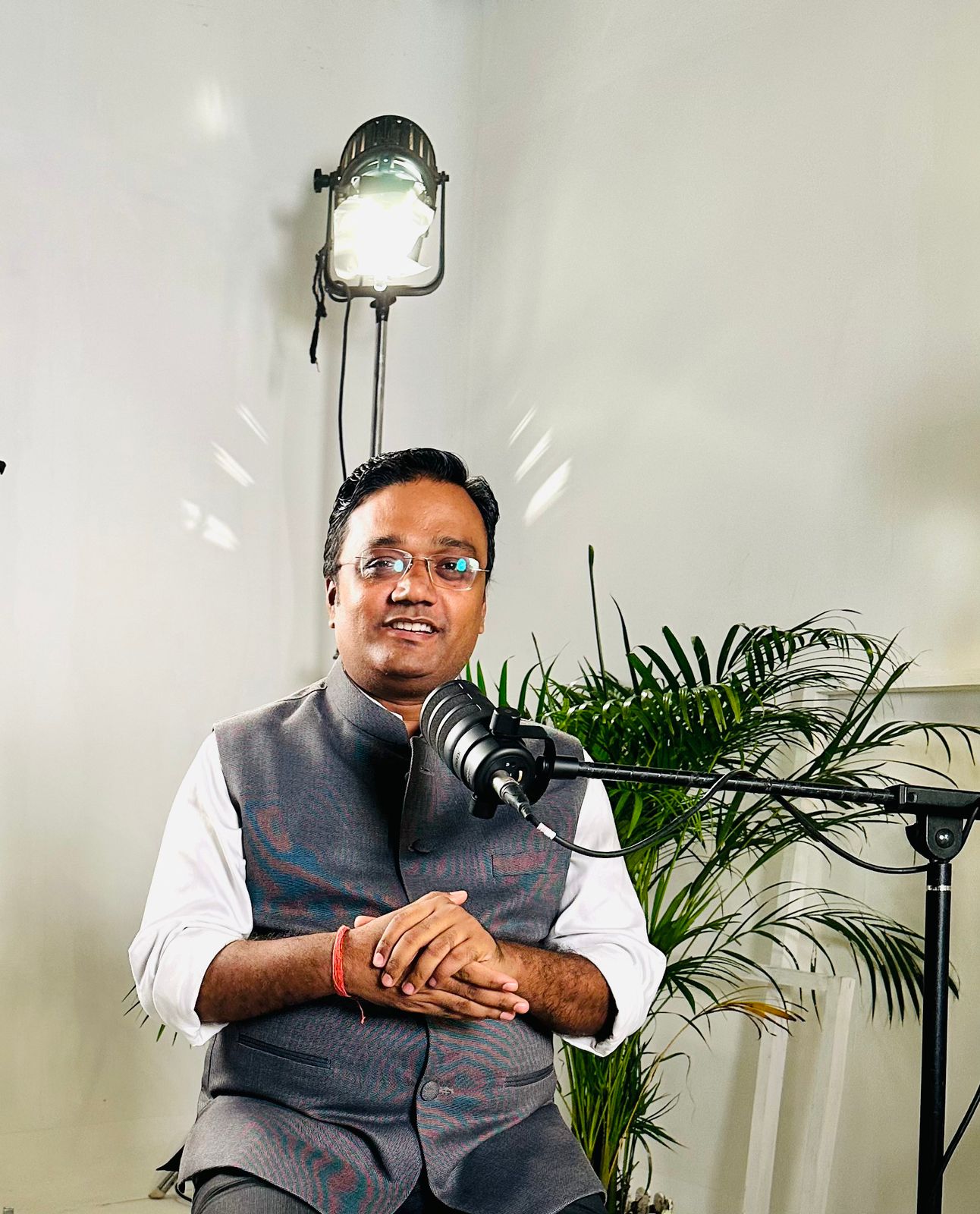 CA Manish Mishra