Search GrowthX Learning Content


Regulatory Framework for Digital Lending in India

India’s digital lending ecosystem has transformed the financial by making credit more accessible, convenient, and inclusive. Fueled by rapid fintech advancements, rising smartphone usage, and affordable internet, digital platforms now allow borrowers to secure loans instantly with minimal documentation. This growth has been particularly significant for underserved segments such as small businesses, first-time borrowers, and individuals lacking a formal credit history. As a result, digital lending has become a vital driver of financial inclusion, bridging the gap left by traditional banking channels and enabling a faster, tech-driven credit delivery system.
However, this exponential expansion has also brought serious regulatory challenges. Instances of predatory lending, hidden fees, misuse of sensitive personal data, and the rise of illegal lending apps have raised concerns about consumer protection and market stability. To address these risks, the Reserve Bank of India (RBI) and other authorities have introduced a robust regulatory framework designed to ensure transparency, accountability, and ethical practices. This framework aims to balance innovation with borrower safety, build consumer trust, and create a secure, legally compliant digital lending ecosystem.
In this article, CA Manish Mishra talks about Regulatory Framework for Digital Lending in India.
Legal Foundations of Digital Lending Regulation
India’s digital lending ecosystem is governed by a multi-layered legal framework built upon several key legislations that collectively ensure financial stability, consumer protection, data security, and corporate accountability. These laws, along with regulatory guidelines issued by the Reserve Bank of India (RBI), define the scope, responsibilities, and compliance obligations of banks, non-banking financial companies (NBFCs), fintechs, and lending service providers (LSPs). Together, they establish the legal foundation that underpins the safe and ethical operation of digital lending in the country.
The Banking Regulation Act, 1949 and RBI’s Supervisory Role
The Banking Regulation Act, 1949 is the cornerstone of India’s financial regulatory framework. It empowers the RBI to regulate and supervise banks and NBFCs engaged in lending and credit-related activities. Under this law, these institutions referred to as Regulated Entities (REs) are held accountable for adherence to all applicable rules, even when they collaborate with fintech partners or LSPs for loan sourcing, underwriting, servicing, or disbursement. The Act ensures that the ultimate responsibility for compliance, consumer protection, risk management, and grievance redressal remains with the RE, thereby preventing regulatory arbitrage and safeguarding financial stability.
The Reserve Bank of India Act, 1934
The RBI Act, 1934 provides the central bank with broad authority to frame policies and issue directions aimed at maintaining monetary stability, regulating credit systems, and protecting consumer interests. It is under this legislative mandate that the RBI issues circulars, guidelines, and supervisory instructions including the Digital Lending Guidelines of 2022 to ensure transparency, fair practices, and accountability in the rapidly evolving fintech ecosystem. This Act forms the legal backbone for the RBI’s oversight of digital lending activities and its power to intervene in cases of non-compliance or systemic risk.
The Information Technology Act, 2000 and Data Protection Rules
Given that digital lending is inherently dependent on the collection, storage, and processing of sensitive personal and financial data, the Information Technology Act, 2000 plays a pivotal role in regulating data governance. The Act, along with the Information Technology (Reasonable Security Practices and Procedures and Sensitive Personal Data or Information) Rules, 2011, sets out obligations for data security, consent-based processing, and protection against unauthorized access or misuse. Additionally, the recently enacted Digital Personal Data Protection Act, 2023 strengthens these protections by introducing stricter compliance requirements around data consent, purpose limitation, retention, and cross-border transfer. These legal provisions ensure that borrowers’ data is handled responsibly and that digital lending platforms operate within a secure and privacy-compliant framework.
Companies Act, 2013 and SEBI Guidelines
The Companies Act, 2013 regulates the corporate structure, governance, and disclosure requirements of fintech companies, NBFCs, and other entities engaged in digital lending. It ensures that such companies maintain proper governance standards, comply with statutory reporting obligations, and adhere to corporate social responsibility (CSR) and auditing norms. Additionally, the SEBI (Alternative Investment Funds) Regulations, 2012 and P2P Lending Regulations further govern platforms that facilitate credit aggregation, peer-to-peer (P2P) lending, or investment in loan portfolios. These regulations are designed to protect investors and borrowers by imposing transparency requirements, capital adequacy norms, and operational standards on lending platforms.
RBI’s Digital Lending Guidelines, 2022
The RBI’s Digital Lending Guidelines (2022), issued under circular DOR.CRE.REC.66/21.07.001/2022-23, provide a strong regulatory framework to ensure transparency, consumer protection, and accountability in the digital lending sector. These rules apply to Regulated Entities (REs) such as banks and NBFCs, Lending Service Providers (LSPs) like fintech platforms, and Digital Lending Apps (DLAs) offering credit services.
Key Provisions of RBI’s Digital Lending Guidelines, 2022
The RBI Digital Lending Guidelines (2022) introduced several important provisions to regulate how digital loans are offered, processed, and managed in India. These provisions aim to protect borrowers, ensure transparency, and keep fintech platforms accountable while maintaining the integrity of the financial system. Here’s a simplified explanation of the major ones:
-
Direct Disbursal and Repayment: All loan disbursals and repayments must occur directly between the borrower’s and regulated entity’s (RE’s) bank accounts. Lending Service Providers (LSPs) or apps cannot act as intermediaries or hold funds. This provision ensures transparency, reduces fraud risk, and prevents misuse of borrower money.
-
Key Fact Statement (KFS): Before loan disbursal, borrowers must receive a Key Fact Statement (KFS) clearly showing all loan terms including the Annual Percentage Rate (APR), interest rate, processing fees, penalties, and repayment schedule. This helps borrowers make informed decisions and compare loan offers easily.
-
Cooling-off / Look-up Period: Borrowers must be given a cooling-off period during which they can exit the loan agreement without heavy penalties by paying proportionate charges. This provision protects consumers from impulsive borrowing and predatory lending practices.
-
Credit Bureau Reporting: All loans, including Buy Now Pay Later (BNPL) and small-ticket digital credit, must be reported to credit information companies. This ensures that borrowers’ credit histories remain accurate and prevents the misuse of unreported digital loans.
-
Explicit and Revocable Consent: Borrowers’ personal and financial data can be collected, processed, or shared only after obtaining their explicit, informed, and revocable consent. Apps must also clearly explain why the data is being collected, ensuring compliance with data privacy laws.
-
No Automatic Credit Enhancements: Digital lending platforms and REs cannot increase a borrower’s credit limit automatically. Any enhancement requires fresh, explicit consent from the borrower, ensuring they remain in control of their borrowing decisions.
-
Grievance Redressal Mechanism: Every regulated entity must appoint a Grievance Redressal Officer (GRO) and display their contact details prominently on websites and apps. Borrowers can escalate unresolved complaints to the RBI’s Integrated Ombudsman Scheme if needed.
Data Privacy and Cybersecurity Obligations
Data privacy and security are central pillars of the RBI’s digital lending framework, given the sensitive nature of personal and financial information collected during the loan process. Since digital lending apps rely heavily on user data for credit assessment, KYC verification, and loan servicing, strict rules have been introduced to protect borrowers from misuse, unauthorized sharing, and breaches. These obligations align with the Information Technology Act, 2000, the Digital Personal Data Protection Act, 2023, and RBI’s lending guidelines.
Purpose Limitation
Digital lending platforms must follow the principle of data minimization, collecting only the information strictly necessary for loan processing, such as identity and financial details. They cannot request unrelated permissions like contact lists or photos, and the purpose of data collection must be clearly communicated to borrowers beforehand.
Consent Management
Borrowers’ consent must be explicit, informed, and revocable. They should clearly understand what data is being collected, how it will be used, and have the right to withdraw consent anytime. Upon withdrawal, platforms must stop data processing immediately and cannot deny services based on non-essential data permissions.
Data Localization
To enhance data security and regulatory oversight, all data collected during digital lending must be stored on servers located within India. This requirement ensures better compliance with domestic laws, protects sensitive financial data from cross-border misuse, and enables authorities to investigate breaches or misuse more effectively.
Deletion Rights
After a loan is fully repaid and closed, borrowers have the right to request deletion of their personal data. Platforms must comply with such requests unless retention is legally required. This provision empowers borrowers to control their data and prevents platforms from storing or misusing information unnecessarily.
Default Loss Guarantee (DLG) / FLDG Circular – 2023
The Default Loss Guarantee (DLG), also known as First Loss Default Guarantee (FLDG), is a risk-sharing mechanism often used between Regulated Entities (REs) like banks and NBFCs and their Lending Service Providers (LSPs) or fintech partners. As digital lending partnerships became common, the RBI noticed that some FLDG structures were being misused to bypass regulatory norms effectively turning fintech companies into unregulated lenders. To address this, the RBI issued a dedicated circular on June 8, 2023, to formalize and regulate DLG arrangements, ensuring they remain transparent, controlled, and compliant.
Cap on DLG
The circular sets a strict limit: the total DLG cover provided by a fintech or third party cannot exceed 5% of the loan portfolio. This means if an LSP guarantees repayment of defaults, it can only do so up to 5% of the loans originated under that arrangement. The cap ensures fintech companies do not absorb excessive credit risk, which could otherwise blur the regulatory boundary between lenders and service providers.
Permitted Instruments
To maintain transparency and financial discipline, the RBI restricts the instruments that can be used for providing a DLG. These include cash deposits, fixed deposits, or bank guarantees placed with the RE. Other forms, like corporate guarantees or contingent agreements, are not permitted. This provision ensures that the guarantee is genuine, measurable, and backed by tangible assets.
No Risk Transfer
A critical principle of the circular is that DLG cannot result in risk transfer from the RE to the fintech partner. The regulated entity must continue to bear the ultimate credit risk and cannot use FLDG arrangements to shift lending responsibilities to unregulated entities. This prevents fintech companies from functioning as shadow banks and ensures that credit risk remains where regulatory oversight exists.
Board Oversight
Every RE must implement board-approved policies governing DLG arrangements. This includes defining eligibility criteria, monitoring procedures, reporting mechanisms, and risk management frameworks. Board-level oversight ensures accountability, internal control, and compliance with regulatory standards.
Self-Regulatory Organisation (SRO) Framework – 2024
In May 2024, the RBI introduced the Self-Regulatory Organisation Framework for FinTechs (SRO-FT) to promote industry-led governance and accountability. Under this model, industry bodies set and enforce their own standards while operating under RBI’s oversight.
Developing Industry Codes of Conduct
SROs create and enforce a comprehensive code of conduct that fintech members must follow. These guidelines cover ethical lending practices, fair customer treatment, transparent pricing, and responsible marketing. By setting clear behavioural standards, SROs ensure consistent industry practices and promote trust within the digital lending ecosystem.
Establishing Dispute Resolution Mechanisms
SROs design structured dispute resolution systems to address conflicts between members, customers, or other stakeholders. This includes mediation, arbitration, and grievance redressal processes that resolve issues quickly and fairly. Efficient dispute handling reduces litigation, protects consumer rights, and maintains smooth operations across the fintech and digital lending industry.
Monitoring Member Compliance and Reporting Violations
SROs monitor the activities of their member companies to ensure they comply with regulatory requirements and internal codes of conduct. They investigate violations, report them to the RBI if necessary, and take corrective actions such as warnings, penalties, or suspension. This continuous oversight improves industry discipline and accountability.
Creating Data and Advertising Standards
SROs establish clear data handling and advertising standards for fintech companies. They ensure responsible data collection, secure storage, and lawful usage while preventing misleading promotions or predatory marketing tactics. These standards protect consumer interests, enhance transparency, and promote ethical practices in how fintech platforms use data and advertise services.
Enforcement Against Illegal Lending Apps
The exponential growth of digital lending platforms in India has brought convenience and financial inclusion but also led to the emergence of unregulated and fraudulent lending apps. Many of these unauthorized platforms operate without RBI approval, charge exorbitant interest rates, misuse borrower data, and use coercive recovery methods. To curb these practices and protect consumers, the RBI and the Government of India proposed the “Digital Lending (Prohibition of Unauthorised Platforms) Bill”, expected to be enacted in 2025. This legislation aims to bring strict legal control over the digital lending ecosystem and eliminate illegal operators.
Criminalizing Unlicensed Lending and Coercive Practices
The bill proposes to make it a criminal offense for any platform or individual to offer lending services without the required regulatory license from the RBI. It also seeks to penalize the use of harassment, threats, or intimidation during loan recovery. This ensures borrowers are protected from predatory practices and that only legally recognized entities can provide lending services.
Penalties and Imprisonment
Violations under the proposed law will attract severe penalties, including heavy fines and imprisonment. This acts as a deterrent against illegal lending and ensures accountability among digital lenders. Repeat offenders may face enhanced punishments, ensuring that rogue operators are permanently removed from the financial system.
Public Registry of Authorized Digital Lenders
The bill mandates the creation of a centralized public registry listing all authorized digital lending platforms. This will allow borrowers to verify the legitimacy of a lender before availing of a loan. The registry will enhance transparency and build trust, helping users avoid fraudulent apps.
Mandatory Removal of Non-Compliant Apps
In collaboration with app stores and technology platforms, the bill seeks to mandate the removal of illegal or non-compliant lending apps from digital marketplaces. This will significantly reduce the presence of predatory apps and ensure that only regulated platforms are available to consumers.
Peer-to-Peer (P2P) Lending Regulations
Peer-to-Peer (P2P) lending is a fintech-driven model that directly connects individual lenders and borrowers through an online platform, bypassing traditional financial intermediaries like banks. While it offers easier access to credit and investment opportunities, it also carries unique risks. To ensure safety, transparency, and accountability, the Reserve Bank of India (RBI) issued the NBFC-P2P (Reserve Bank) Directions, 2017, which govern how P2P platforms operate in India. These regulations clearly define their role, responsibilities, and limitations.
No Credit Guarantees or Risk Assumption
P2P platforms are not allowed to provide credit guarantees or assume any credit risk on the loans facilitated through their platform. Their role is limited to connecting lenders and borrowers, and they must not underwrite or fund the loans themselves. The responsibility for assessing and bearing credit risk remains with the individual lenders.
Mandatory Risk Disclosure
P2P platforms must clearly disclose all potential risks associated with lending, including the risk of borrower default, absence of collateral, and possible delays in repayment. This ensures that lenders make informed decisions and fully understand the nature of their investment before committing funds.
Marketplace-Only Model
These platforms are required to operate strictly as neutral marketplaces that facilitate transactions between lenders and borrowers. They cannot lend their own funds, pool money, or act as intermediaries in fund transfers. Their primary role is to provide a secure, transparent, and efficient digital space for lending and borrowing.
Prohibition on Cross-Selling Without Consent
Recent regulatory updates emphasize that P2P platforms cannot cross-sell financial products or services without explicit consent from users. This protects customers from unsolicited offers and ensures the platform remains focused on its core lending activities.
Legal Framework for Consumer Protection
Consumer protection is a key pillar of India’s digital lending regulatory framework, ensuring that borrowers’ rights are safeguarded throughout the lending process. Both the Consumer Protection Act, 2019 and the RBI’s Integrated Ombudsman Scheme provide mechanisms to address unfair practices, enhance transparency, and resolve disputes between borrowers and lenders.
Transparency in Charges
Digital lenders are required to disclose all loan-related charges such as interest rates, processing fees, penalties, and other costs upfront and clearly. Misleading information, hidden costs, or false promises can lead to legal action under the Consumer Protection Act. This provision ensures that borrowers make informed financial decisions without falling victim to deceptive practices.
Harassment-Free Recovery
The RBI’s Fair Practices Code (FPC) prohibits lenders and recovery agents from using coercive, abusive, or threatening methods to recover dues. Any form of harassment, intimidation, or public humiliation is punishable under both the Indian Penal Code (IPC) and RBI guidelines. This protects borrowers’ dignity and ensures ethical loan recovery practices.
Right to Grievance Redressal
Borrowers have the right to seek redress if they face unfair treatment or disputes with lenders. Every regulated entity must have a grievance redressal mechanism in place. If a complaint is not resolved satisfactorily, borrowers can escalate it to the RBI’s Integrated Ombudsman Scheme, which offers a free and impartial dispute resolution process.
Conclusion
India’s digital lending regulatory framework has transformed into a complete system that blends legislative measures, RBI directions, and self-regulatory mechanisms to ensure responsible innovation. Through initiatives like the Digital Lending Guidelines (2022), DLG Circular (2023), SRO Framework (2024), and the upcoming Digital Lending Bill (2025), authorities aim to build a transparent, secure, and consumer-centric lending environment. These regulations address crucial aspects such as data privacy, borrower protection, fair practices, and systemic stability, while holding fintech platforms and regulated entities accountable for compliance.
At the same time, this evolving framework fosters innovation by creating a structured environment where digital lending can thrive without compromising trust or integrity. As technology continues to reshape credit delivery, compliance with these provisions is essential not just as a regulatory requirement, but as a foundation for sustainable growth, investor confidence, and long-term sectoral transformation.
Frequently Asked Questions (FAQs)
Q1. What counts as “digital lending” under RBI rules?
Ans. Any credit originated or serviced using a Digital Lending App (DLA) and/or a Lending Service Provider (LSP) for sourcing, underwriting, disbursal, servicing, or collections. When an RE (bank/NBFC) uses fintech partners or apps, the activity is treated as digital lending and RBI’s directions apply.
Q2. Who is ultimately responsible fintech or the lender?
Ans. Always the Regulated Entity (RE) (bank/NBFC). Outsourcing to an LSP does not dilute accountability for KYC, disclosures, pricing, data protection, credit bureau reporting, or collections.
Q3. What must be disclosed to borrowers up front?
Ans. A Key Fact Statement (KFS) with the APR, all fees/charges, penalties, repayment schedule, look-up/cooling-off terms, and contact details for grievances. The KFS must be shared before loan execution and in a durable form (in-app + email/SMS).
Q4. How must funds flow in digital lending?
Ans. Directly between the RE’s bank account and the borrower’s bank account both for disbursals and for refunds/charge reversals. LSP or third-party pass-through accounts are not permitted (except narrow, permitted constructs like specific co-lending flows).
Q5. Is BNPL covered by RBI’s digital-lending rules?
Ans. Yes, where the arrangement is credit (deferred payment with interest/fees). Such facilities require KFS, bureau reporting, consent standards, and all conduct rules applicable to digital loans.
Q6. Can lenders increase limits automatically for “good” customers?
Ans. No. Any credit-limit enhancement needs fresh, explicit consent and updated disclosures. “Silent” or automatic hikes are not allowed.
Q7. What is the borrower’s “cooling-off / look-up” period?
Ans. A time window after disbursal within which the borrower may exit the loan without penalty, paying only proportionate charges/interest for the period used. The window and process must be stated in the KFS.
Q8. What data can apps collect? Do borrowers have deletion rights?
Ans. Only purpose-necessary data with explicit, revocable consent. Apps should avoid intrusive permissions (contacts, photos, etc.) unless essential and consented. After closure, borrowers can request deletion subject to legal retention requirements; storage must comply with Indian law.
Q9. What is DLG/FLDG and what are its limits?
Ans. Default Loss Guarantee (DLG) popularly FLDG is a capped, pool-level first-loss cover an LSP may give an RE. It is limited (e.g., up to 5%), permitted only via cash/FD/bank guarantee (not corporate guarantees/synthetic forms), and cannot turn LSPs into de-facto lenders.
Q10. How are collections regulated?
Ans. Only authorized, named recovery agents may contact borrowers, within defined time windows and without harassment or intimidation. REs remain liable for their agents’ conduct and must record/monitor interactions.
- 16 Oct, 2025
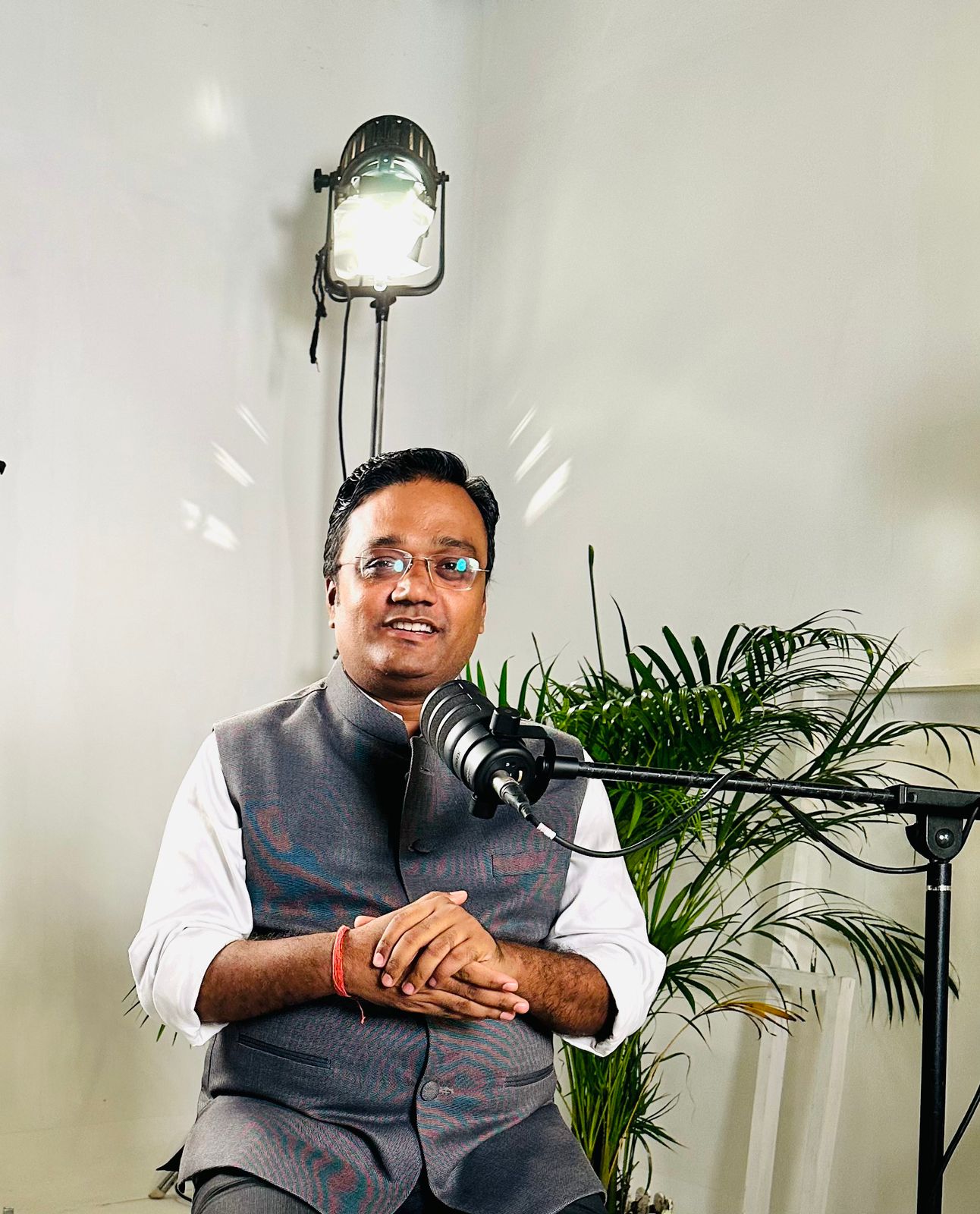 CA Manish Mishra
- CFO Services
CA Manish Mishra is the Co-Founder & CEO at GenZCFO. He is the most sought professional for providing virtual CFO services to startups and established businesses across diverse sectors, such as retail, manufacturing, food, and financial services with over 20 years of experience including strategic financial planning, regulatory compliance, fundraising and M&A.