Search GrowthX Learning Content


Trade License Registration in India: Process, Fees, and Renewal

A Trade License is a mandatory permit issued by Urban Local Bodies (ULBs) like municipal corporations and municipalities that allows a business to legally operate a specific trade at a particular location. Its objective goes beyond revenue collection it ensures that business activities comply with public health, safety, and zoning regulations. For instance, food businesses must maintain hygiene standards, warehouses must follow fire safety norms, and factories must not operate in residential zones.
Unlike PAN (a tax identity), GST registration (for tax compliance), or company incorporation (which creates a legal entity), a trade license is a local regulatory requirement. Its process, fees, and validity are governed by state-specific municipal laws, making it different across cities. For example, Delhi mandates trade licenses under Section 417 of the Delhi Municipal Corporation Act, 1957, while Bengaluru follows Schedule X of the Karnataka Municipal Corporations Act, 1976. Hence, businesses must comply with their local municipal laws to operate lawfully.
In this article, CA Manish Mishra talks about Trade License Registration in India: Process, Fees, and Renewal.
Legal Framework Governing Trade Licenses
Key Statutory Provisions
Delhi – Delhi Municipal Corporation Act, 1957 (Section 417)
This section makes it compulsory for businesses involved in “health trades” or activities that directly affect public hygiene and safety to obtain a trade license from the Municipal Corporation of Delhi (MCD). It covers businesses like restaurants, eating houses, hotels, medical shops, barber salons, storage facilities, and food processing units. The intent is to regulate businesses that, if unmonitored, could pose risks to public health.
Maharashtra – Maharashtra Municipal Corporations Act (Section 376)
Section 376 prohibits any person from carrying on dangerous or offensive trades or storing hazardous substances without obtaining a municipal license. Examples include chemical storage, fuel depots, factories, or trades involving fire hazards. The Commissioner has the authority to impose conditions or revoke licenses if businesses are deemed unsafe.
Kolkata – Kolkata Municipal Corporation Act, 1980 (Section 199)
Here, every person engaged in a profession, trade, or calling within Kolkata must obtain a “Certificate of Enlistment.” This functions as the city’s trade license. It applies broadly from small shops to large industries ensuring that all commercial activities are brought under municipal regulation.
Bengaluru – Karnataka Municipal Corporations Act, 1976 (Schedule X)
In Bengaluru, the BBMP regulates trades listed in Schedule X of the Act. These include activities such as restaurants, factories, godowns, printing presses, and hazardous trades. Businesses must obtain a license annually, and penalties apply for late renewals or unlicensed activity.
Objectives of Licensing
1. Public Safety
The foremost aim of trade licensing is to protect citizens from trades that may pose risks to health, hygiene, or safety. For example, food businesses must maintain sanitation standards, fuel depots must follow fire safety norms, and factories must not release hazardous waste unchecked. Licensing empowers municipal authorities to monitor such activities and prevent dangerous, polluting, or unsanitary businesses from operating without safeguards.
2. Zoning Compliance
Every city is divided into residential, commercial, and industrial zones. A trade license ensures that businesses operate only in permitted areas. For instance, noisy workshops, chemical factories, or warehouses cannot be set up in residential neighborhoods. This prevents inconvenience to residents and maintains urban planning discipline.
3. Revenue
While regulation is the primary goal, licensing also helps municipalities collect fees and local taxes. These funds are used to provide civic amenities like waste management, road maintenance, drainage, and sanitation services ensuring better infrastructure for both businesses and residents.
4. Transparency
Licensing creates a public record of all businesses operating in the city. This establishes accountability, reduces illegal activities, and helps authorities regulate trade more effectively. It also gives businesses greater credibility, as licensed entities are recognized as legitimate and law-abiding.
Applicability: Who Needs a Trade License?
Who Needs a Trade License? (Detailed)
1. Food Industry
Food businesses like restaurants, bakeries, eateries, and storage units need trade licenses to maintain hygiene and safety. These establishments directly impact public health. Municipal authorities ensure compliance with sanitation standards, waste disposal, and food safety norms before granting licenses, often alongside FSSAI registration requirements.
2. Health & Public Safety
Salons, spas, gyms, clinics, and labs involve direct human interaction. Licensing ensures these businesses maintain hygiene, safety, and public health standards. Municipal approval helps regulate service quality, prevent unsanitary practices, and protect citizens from unsafe environments, making licensing a safeguard for both consumers and businesses in this sector.
3. Manufacturing & Storage
Factories, warehouses, and chemical storage units handle machinery, hazardous materials, and flammable substances. Trade licenses regulate such businesses to minimize environmental pollution, fire hazards, and industrial accidents. Municipal authorities inspect premises for safety compliance before issuing licenses, ensuring public safety and lawful operation under specific state and municipal laws.
4. Retail & Services
Shops, malls, printing presses, and repair workshops fall under retail and service categories. These businesses require trade licenses to operate in designated zones, preventing unauthorized use of residential areas. Licensing ensures customer safety, fair practices, and proper regulation while also boosting the credibility and legality of everyday commercial establishments.
Consequences of Non-Compliance
1. Penalties
Operating without a trade license attracts daily fines under municipal bye-laws. Penalties accumulate until compliance is achieved. These fines act as deterrents, encouraging businesses to follow rules. Even small businesses can face heavy financial burdens if they neglect licensing obligations, making compliance both legally and economically essential.
2. Closure of Premises
Municipal authorities have the power to seal unlicensed shops, warehouses, or factories. Businesses caught operating illegally may face suspension until a valid license is obtained. Such closure leads to revenue loss, disruption of supply chains, and reputational harm, emphasizing the importance of securing timely licenses for smooth operations.
3. Prosecution
In serious cases, businesses may face legal prosecution under municipal laws for operating without licenses. This could involve court cases, criminal charges, or additional fines. For hazardous industries, prosecution ensures accountability for public safety risks. Such legal consequences can severely damage a business’s continuity, reputation, and financial stability.
4. Business Credibility Loss
A business without a trade license often loses credibility with customers, banks, and suppliers. Vendors may refuse partnerships, and banks may reject loan applications. Customers view unlicensed operations as unsafe or unreliable. Licensing builds trust, improves brand image, and demonstrates compliance with laws, boosting long-term sustainability and growth.
Process of Trade License Registration
Step 1: Online User Registration
The first step is registering on the Urban Local Body (ULB) portal of your city such as MCD in Delhi, BBMP in Bengaluru, KMC in Kolkata, or BMC in Mumbai. Applicants must create an account using an email ID or mobile number for authentication. This enables access to online application forms, fee payment gateways, and tracking of application status.
Step 2: Application Form Filling
Once registered, applicants fill out the trade license form with detailed information, including:
-
Business name and type of trade (e.g., restaurant, warehouse, shop).
-
Premises details: address, ownership/lease documents.
-
Workforce and infrastructure: number of employees, machinery/horsepower if relevant.
-
Category code: chosen from the official ULB trade schedule that classifies businesses.
This ensures proper categorization and fee calculation.
Step 3: Upload Documents
Mandatory Documents (common for all trades):
-
Incorporation certificate/partnership deed/shop establishment proof.
-
PAN and Aadhaar of proprietor/partners/directors.
-
Ownership proof or registered lease deed of premises.
-
Latest property tax receipt.
-
Identity proof of applicant.
Conditional Documents (trade-specific):
-
FSSAI license: for food-related businesses.
-
Pollution Control NOC: for factories and hazardous industries.
-
Fire Safety NOC: for restaurants, warehouses, fuel storage.
-
Building plan/layout: for manufacturing or large premises.
These documents establish ownership, safety compliance, and trade legitimacy.
Step 4: Payment of Fees
Fee amounts differ across ULBs and are automatically calculated on the portal based on:
-
Category of trade: hazardous, food-based, general, or industrial.
-
Premises area: larger areas attract higher fees.
-
Machinery horsepower: still applicable in some states.
Recent update: Delhi is shifting from horsepower-based fees to a simplified model 5% of the property tax to reduce calculation complexity and improve compliance.
Step 5: Scrutiny and Inspection
After submission, the application undergoes verification:
-
Low-risk trades (like small retail shops) may be approved based on self-declaration, with post-verification later.
-
High-risk trades (like eateries, warehouses, or chemical storage) require mandatory site inspections by municipal, health, fire, or engineering departments to check hygiene, safety, and compliance.
Step 6: Grant of License
Once approved, the ULB issues a digital trade license certificate. It includes the license number, permitted activity, premises address, and validity period. Applicants can download it directly from the portal. This certificate must be displayed at the business premises and renewed annually to remain valid.
Fees for Trade License
Basis of Fee Calculation
Delhi (MCD)
Delhi is shifting from the old horsepower-based fee system to a simplified model where businesses pay 5% of their property tax as the trade license fee. This reform aligns trade licensing with property records, reduces disputes, and ensures fairer, transparent, and easier compliance for all types of businesses.
Bengaluru (BBMP)
In Bengaluru, the BBMP calculates trade license fees as per Schedule X of the Karnataka Municipal Corporations Act. Rates depend on the type of trade (hazardous, food, retail, industrial) and premises area. Larger or riskier businesses pay higher fees, while smaller shops or general trades pay much less.
Kolkata (KMC)
Under Section 199 of the Kolkata Municipal Corporation Act, 1980, businesses must obtain a Certificate of Enlistment. Fees are prescribed in KMC’s enlistment schedules, which set fixed slabs based on activity type. This structure applies to all professions and trades, ensuring uniformity across small traders, service providers, and industries.
Mumbai (BMC)
The Brihanmumbai Municipal Corporation (BMC) charges fees considering the type of trade, premises size, and fire or safety risk. Hazardous trades and storage facilities attract higher charges due to greater regulatory oversight, while regular retail and office establishments are charged comparatively lower, based on the area and business activity.
Fee Factors
Category of Trade
Trades are categorized as general, health-sensitive, or hazardous. Regular shops or offices pay lower fees, while eateries, fuel depots, and chemical industries attract higher charges. The principle is that higher-risk businesses must contribute more due to increased regulatory monitoring and the potential impact on public health and safety.
Area of Premises
The size of the premises is an important factor. Larger establishments are charged more because they accommodate higher operations, generate more waste, and involve greater risk or footfall. Smaller premises pay lower fees, ensuring proportionality between business scale, municipal monitoring efforts, and the regulatory costs borne by authorities.
Number of Employees
Some ULBs consider the number of employees while fixing fees, especially in factories, workshops, and larger commercial setups. A higher workforce size suggests increased operational scale and regulatory oversight needs, leading to higher charges. Smaller units with fewer employees often pay reduced license fees to keep compliance affordable.
Machinery/Horsepower
Traditionally, fees were linked to the horsepower of machinery, particularly in manufacturing units. Higher horsepower implied higher industrial capacity and risk, leading to increased fees. However, this model is being phased out in many states, including Delhi, as it is outdated, complex, and often caused disputes during license calculation.
Validity and Renewal of Trade License
Validity
A trade license is typically valid for one financial year, i.e., from April 1 to March 31 of the following year. This uniform validity period helps municipal bodies streamline administration, inspections, and revenue collection. Businesses must plan renewals in advance to avoid lapses that could disrupt operations.
Renewal Timeline
Most municipal corporations open the renewal window between January and March every year. This gives businesses adequate time to file renewal applications before the license expires.
-
BBMP (Bengaluru): Renewal must be completed by 28 February; late applications attract penalties.
-
Delhi (MCD): Renewal is done through the General Trade/Storage License (GTL) portal, which offers a faceless, cashless, paperless process for efficiency.
Renewal Documents
When applying for renewal, businesses need to submit:
-
Copy of the previous trade license to establish continuity.
-
Updated property tax receipt to show municipal dues are cleared.
-
Renewed NOCs from Fire Department, Pollution Control Board, or FSSAI, if the nature of business requires them (e.g., restaurants, warehouses, factories).
These documents ensure compliance with current safety and regulatory standards.
Penalties for Delay
Failure to renew within the stipulated timeline can lead to:
-
Daily late fees or fixed monthly penalties, increasing compliance costs.
-
Suspension or sealing of the business premises until renewal is completed.
-
In some cases, repeat defaulters may face stricter enforcement or cancellation of license under municipal laws.
Penalties and Legal Consequences
Grounds for Penalty
1. Operating without License
Running a business without obtaining a valid trade license is a direct violation of municipal laws. Such businesses can face immediate fines, sealing of premises, and legal prosecution. Authorities treat unlicensed operations as illegal since they pose potential risks to public health, safety, and order.
2. Conducting Trade Beyond Approved Scope
A trade license is issued for a specific business activity. If a license holder engages in unapproved activities for example, a restaurant also running a bar without permission it amounts to a violation. Municipal bodies can impose fines, suspend, or cancel the license for exceeding the permitted scope.
3. Storage or Handling of Goods Beyond Permitted Quantity
Licenses specify the maximum volume or type of goods allowed to be stored or handled, especially in hazardous categories. Exceeding this limit (e.g., storing extra fuel or chemicals) can attract penalties, cancellation of license, and even criminal action for endangering public safety.
4. Failure to Renew on Time
Since trade licenses are generally valid for one year, failure to renew within the prescribed timeline leads to late fees, monthly penalties, and risk of business suspension. Repeat defaulters may even face stricter enforcement, including sealing or cancellation by the municipal authority.
Powers of Authorities
Delhi MCD – Section 417
The Delhi Municipal Corporation Act, 1957 (Sec. 417) empowers the MCD to seal, suspend, or close trades operating without a valid license, especially “health trades” such as restaurants, salons, and medical shops.
Maharashtra – Section 376
Under the Maharashtra Municipal Corporations Act (Sec. 376), the Municipal Commissioner may prohibit, regulate, or penalize dangerous and offensive trades, particularly those involving hazardous materials, pollution, or fire risk.
Kolkata – Section 199
The Kolkata Municipal Corporation Act, 1980 (Sec. 199) allows cancellation of the Certificate of Enlistment for businesses that fail to comply with municipal norms, including non-renewal or operating beyond permitted scope.
Recent Updates (2024–2025)
Digitization
Across major Urban Local Bodies (ULBs) like Delhi MCD, BBMP in Bengaluru, and KMC in Kolkata, trade license processes have moved to end-to-end online platforms. Applicants can now apply, upload documents, pay fees, and download licenses digitally. Many cities are issuing QR code-enabled licenses, replacing paper copies and enabling quick verification by inspectors or stakeholders. This step enhances transparency, reduces middlemen, and speeds up processing times.
Simplified Fee Model
Delhi has introduced a major reform by shifting from the horsepower-based fee calculation to a property tax-linked system, where the trade license fee is 5% of the property tax. This eliminates disputes over machinery details and horsepower audits, bringing simplicity, predictability, and fairness in determining fees. Other cities may follow this model to align licensing with existing property tax records.
Ease of Doing Business (EoDB) Push
To support entrepreneurs and small businesses, municipalities are adopting reforms aimed at simplifying compliance:
-
Integration with sectoral approvals such as FSSAI, Fire NOC, and Pollution Board consents, reducing the need for multiple separate applications.
-
Risk-based licensing where low-risk businesses (like small shops) can get approval on self-declaration, while high-risk trades still undergo inspections.
-
Reduced inspections for minor trades, replaced with self-certifications and digital submissions.
This makes the licensing system business-friendly while maintaining safety controls.
City-Level Changes
-
Delhi: The General Trade/Storage License (GTL) portal is now fully operational, supporting online applications, renewals, and amendments. Delhi is also reforming its fee structure to property tax linkage.
-
Bengaluru: The BBMP enforces strict renewal timelines, with penalties applying after 28 February. This ensures businesses complete renewals before the financial year ends.
-
Kolkata: The KMC has revised its enlistment schedules, updating fee slabs for different trades, ensuring better alignment with business categories and inflation.
-
Mumbai: After several industrial fire incidents, the BMC has tightened inspections for hazardous storage units, fuel depots, and high-risk factories, making fire safety compliance stricter.
Checklist for Applicants
Confirm your trade is listed in ULB’s notified schedule
Every Urban Local Body (ULB) maintains a list of approved trades in its schedule (e.g., “health trades” in Delhi, Schedule X in Bengaluru). Applicants must first ensure their business activity is covered. Applying under the wrong category may cause rejection or delay in license approval.
Keep property tax payments updated
Most municipalities require proof of latest property tax payment when issuing or renewing a trade license. Pending dues can result in rejection of the application. Staying current on property tax ensures smooth processing and avoids penalties at the time of license approval or renewal.
Arrange NOCs (Fire, Pollution, FSSAI) before application
Certain businesses like restaurants, warehouses, fuel storage, and factories require prior No Objection Certificates from authorities such as the Fire Department, Pollution Control Board, or FSSAI. These must be obtained in advance and uploaded along with the trade license application, as they are crucial for public safety clearance.
Apply for renewal before March each year
Since most licenses expire on March 31, businesses must apply for renewal between January and March. For example, Bengaluru (BBMP) imposes penalties after 28 February. Timely renewal ensures uninterrupted business operations and prevents fines or sealing of premises.
Monitor city-level circulars for updated fees or processes
ULBs frequently issue circulars and notifications revising fees, schedules, or compliance requirements. For instance, Delhi shifted to a property tax-linked fee system in 2024–25. Staying informed prevents errors, ensures correct fee payment, and helps businesses adapt quickly to regulatory changes.
Display the license at business premises (mandatory in many states)
In many states, it is mandatory to display the trade license prominently at the place of business. This serves as proof of legitimacy during inspections and builds customer trust. Failure to display may attract warnings or minor penalties during municipal checks.
Conclusion
A Trade License is not just a formality but a legal requirement for businesses across India. Every municipal corporation and local body mandates it under state-specific laws such as Section 417 of the Delhi Municipal Corporation Act, 1957, Section 376 of the Maharashtra Municipal Corporations Act, Section 199 of the Kolkata Municipal Corporation Act, 1980, and Schedule X of the Karnataka Municipal Corporations Act, 1976. Without this approval, businesses are deemed unauthorized and face penalties, closure, or prosecution.
Recent reforms and digitization have made the process faster, paperless, and more transparent, but the compliance framework remains stringent. For entrepreneurs, startups, and established firms alike, obtaining and renewing trade licenses on time ensures lawful operations, prevents regulatory hurdles, and builds credibility, reliability, and trust with customers, banks, and government authorities.
Frequently Asked Questions (FAQs)
Q1. What is a Trade License and why is it required in India?
Ans. A Trade License is permission issued by municipal corporations or Urban Local Bodies (ULBs) allowing businesses to operate legally at a specific location. It ensures compliance with public health, safety, and zoning norms. Operating without it can lead to fines, closure, or prosecution.
Q2. Which businesses need a Trade License in India?
Ans. All businesses, including restaurants, shops, salons, gyms, factories, warehouses, and service providers, must obtain a Trade License from their local municipality before commencing operations. The requirement applies to both small and large businesses across all industries.
Q3. What is the process of Trade License registration?
Ans. The process involves:
-
Registering on the local ULB portal.
-
Filling the application form with trade details.
-
Uploading required documents (ID proof, property proof, NOCs).
-
Paying prescribed fees.
-
Inspection (if required).
-
Downloading the digitally issued license.
Q4. What documents are required for Trade License registration?
Ans. Common documents include:
-
Incorporation certificate/Partnership deed/Shop establishment proof.
-
PAN & Aadhaar of applicant/partners/directors.
-
Property tax receipt and ownership/lease deed.
-
NOCs from Fire, Pollution Board, or FSSAI (for relevant trades).
Q5. How are trade license fees calculated?
Ans. Fees vary across states and depend on factors like:
-
Type of trade (general, hazardous, food-related).
-
Size/area of premises.
-
Number of employees.
-
Horsepower/machinery (phasing out in some states).
For example, Delhi now proposes a 5% property tax-linked model instead of horsepower-based fees.
Q6. What is the validity period of a trade license?
Ans. A trade license is generally valid for one financial year (April–March). It must be renewed annually during the renewal window, usually between January and March.
Q7. What happens if I don’t renew my Trade License on time?
Ans. Failure to renew can result in daily fines, fixed penalties, suspension of business activity, or even sealing of premises. Renewal deadlines vary by city (e.g., Bengaluru requires renewal before 28 February).
- 09 Sep, 2025
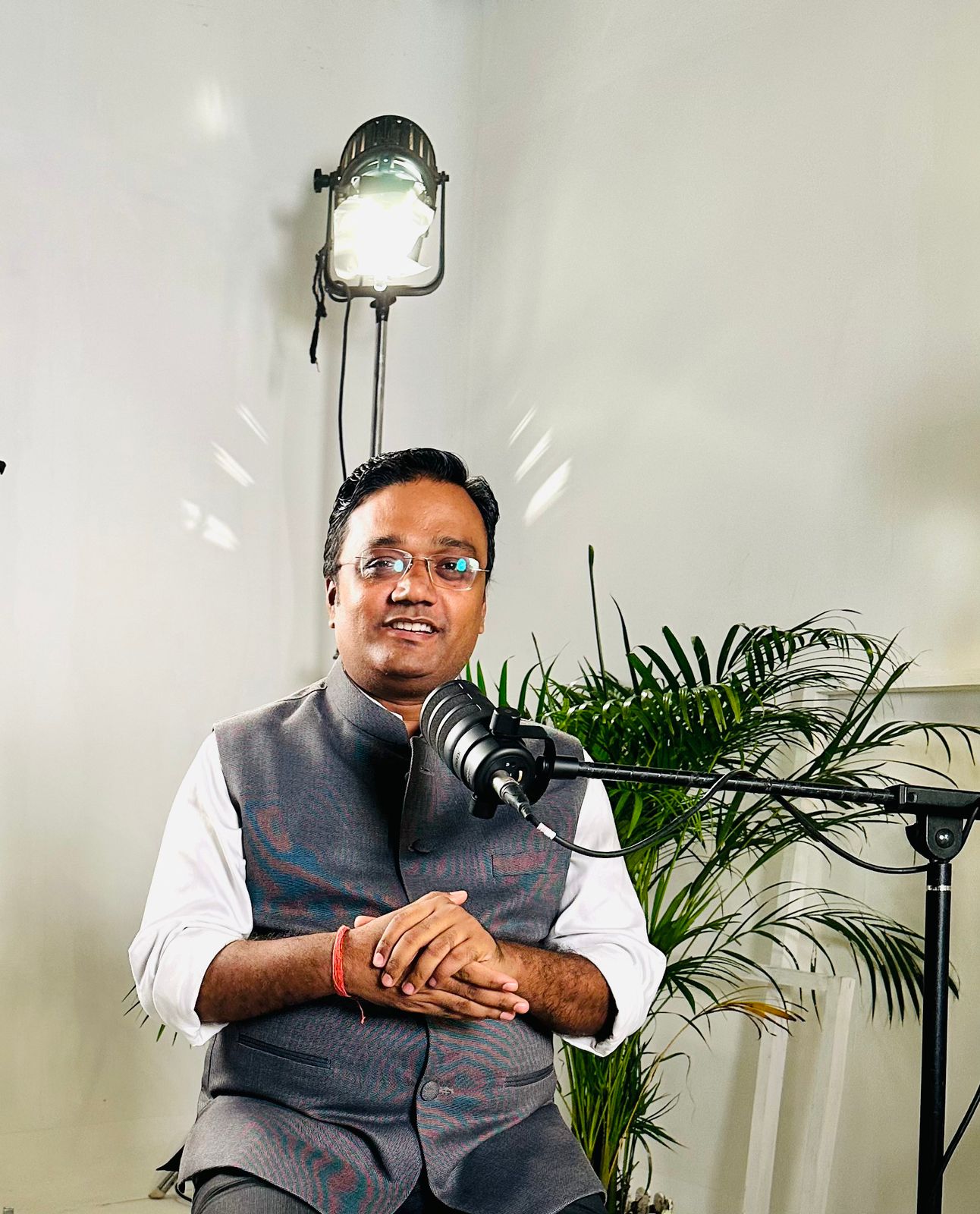 CA Manish Mishra
- Starting Up
CA Manish Mishra is the Co-Founder & CEO at GenZCFO. He is the most sought professional for providing virtual CFO services to startups and established businesses across diverse sectors, such as retail, manufacturing, food, and financial services with over 20 years of experience including strategic financial planning, regulatory compliance, fundraising and M&A.