Search GrowthX Learning Content


Common Compliance Mistakes Made by Fintech Startups
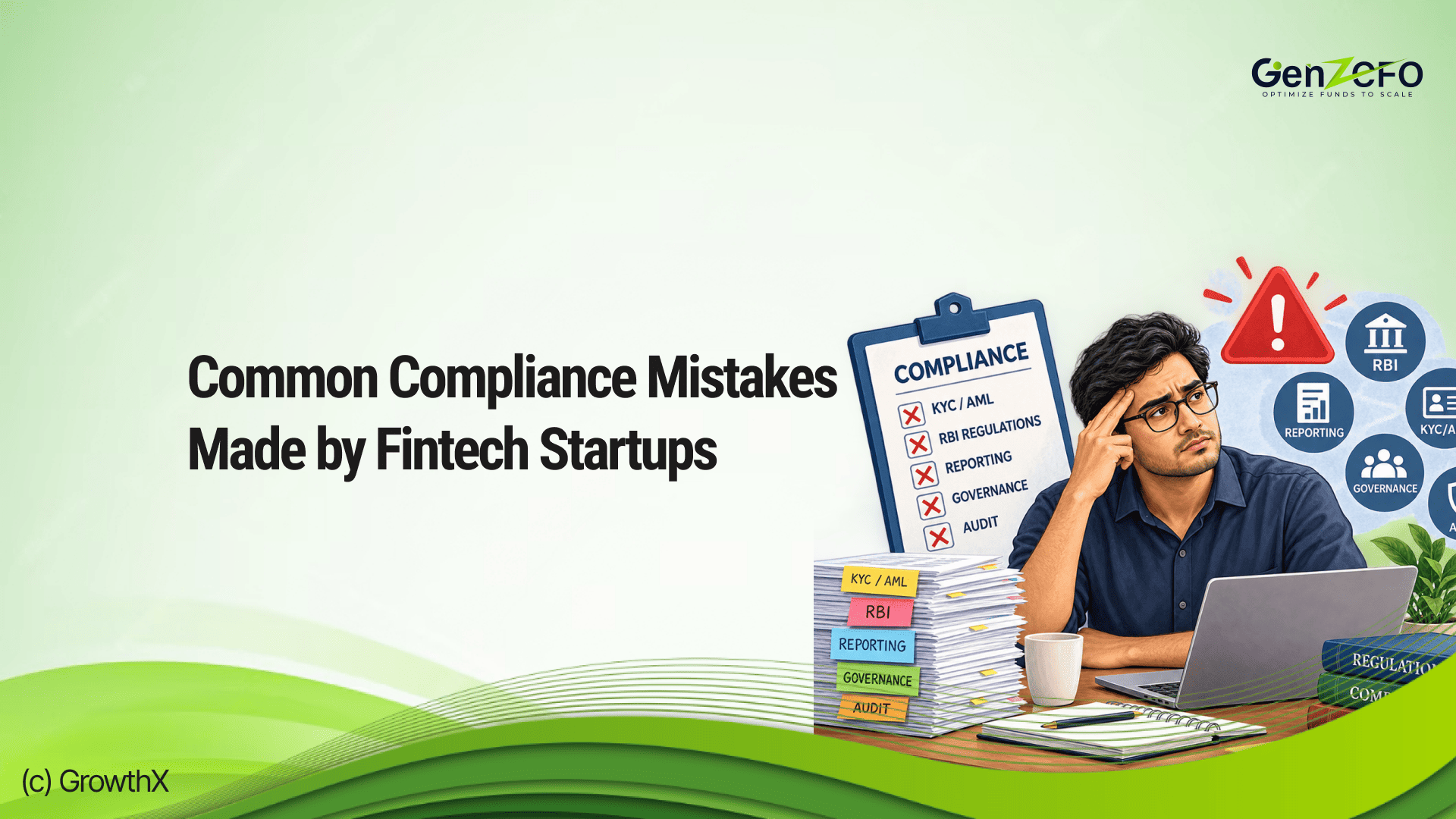
The fintech industry has witnessed rapid growth by combining financial services with innovative technology solutions. Digital lending platforms, payment applications, investment platforms, insurance technology solutions, and embedded finance models have changed the way individuals and businesses access financial services. However, operating in the financial sector comes with significant regulatory responsibilities.
Unlike traditional technology startups, fintech companies deal with financial transactions, customer data, and regulated activities, making compliance a critical part of their operations. Many startups prioritize product development, market expansion, and customer acquisition but fail to establish proper compliance systems during their initial stages. These mistakes can lead to regulatory actions, financial penalties, operational restrictions, and loss of customer confidence. Understanding common compliance challenges and implementing preventive measures helps fintech startups build a secure, transparent, and sustainable business model.
In this article, CA Manish Mishra talks about Common Compliance Mistakes Made by Fintech Startups.
Operating Without Understanding Applicable Regulatory Requirements
Fintech startups often make the mistake of launching their products without properly identifying the regulatory requirements applicable to their business model. Since fintech covers various segments such as digital lending, payments, investment advisory, insurance technology, and financial marketplaces, each category may have different legal and regulatory obligations.
A startup providing financial services must first understand whether its activities require approval, registration, authorization, or compliance with specific regulatory guidelines. For example, businesses involved in lending activities may need to comply with applicable Reserve Bank of India (RBI) regulations, while investment-related services may fall under Securities and Exchange Board of India (SEBI) regulations. Many founders assume that because their business operates through a digital platform, they are only providing technology services. However, regulators generally consider the nature of the financial activity being performed rather than only the technology used. Therefore, regulatory assessment should be completed before launching operations.
How Startups Can Avoid This Mistake
Fintech startups should conduct a detailed regulatory analysis before starting their business activities. They should identify the exact nature of their services, understand applicable laws, determine licensing requirements, and establish internal compliance processes. Taking professional compliance advice at the initial stage can help prevent expensive regulatory issues in the future.
Ignoring RBI and Financial Regulatory Guidelines
Fintech companies operating in areas such as digital lending, payment services, and financial transactions must comply with regulatory guidelines issued by financial authorities. A common mistake among startups is assuming that compliance can be managed after achieving business growth. Digital lending platforms, for example, must ensure transparency in loan processes, proper disclosure of charges, fair customer communication, and compliance with applicable lending practices.
Payment-related fintech companies must follow requirements relating to transaction security, customer authentication, operational controls, and reporting obligations. Ignoring regulatory guidelines may create serious challenges, including regulatory notices, restrictions on business operations, customer complaints, and difficulties in establishing partnerships with regulated financial institutions.
Importance of Regulatory Monitoring
Fintech regulations continue to evolve due to technological advancements and changing market conditions. Startups should regularly monitor regulatory updates and evaluate how changes affect their operations. Maintaining a compliance calendar and conducting periodic reviews can help businesses remain aligned with regulatory expectations.
Lack of Proper Data Protection and Privacy Compliance
Data is one of the most important assets for fintech companies because they collect and process sensitive customer information. This may include personal identification details, banking information, transaction records, credit history, and financial behaviour data. A common compliance mistake is collecting customer information without implementing proper privacy practices. Some startups fail to obtain appropriate consent, do not clearly explain data usage policies, or lack adequate security measures to protect customer information.
Data breaches in fintech businesses can result in financial losses, regulatory consequences, and significant damage to customer trust. Since customers rely on fintech platforms for handling sensitive financial information, maintaining strong data protection standards is essential.
Implementing Strong Data Security Practices
Fintech startups should create comprehensive privacy policies, establish secure data storage systems, restrict unauthorized access, and implement encryption mechanisms. Regular cybersecurity assessments, employee awareness programs, and incident response procedures can help reduce data-related risks.
Inadequate KYC and AML Compliance
Know Your Customer (KYC) and Anti-Money Laundering (AML) compliance are essential requirements for fintech businesses involved in financial transactions. These procedures help companies verify customer identities, prevent fraudulent activities, and reduce risks associated with illegal financial activities.
Many fintech startups treat KYC verification as a simple onboarding activity and fail to establish continuous monitoring systems. Common mistakes include incomplete customer verification, improper record maintenance, lack of transaction monitoring, and failure to identify suspicious activities. Weak KYC and AML processes may expose fintech companies to regulatory scrutiny and financial risks. It can also affect their reputation among customers and business partners.
Building Effective KYC and AML Systems
Startups should develop proper customer identification procedures, maintain accurate records, conduct risk assessments, and establish transaction monitoring mechanisms. Regular reviews of KYC policies ensure that the company remains compliant with changing regulatory requirements.
Poor Documentation and Record Maintenance
Proper documentation is an essential part of fintech compliance, but many startups neglect maintaining accurate records during their early growth phase. Founders often focus on technology development and customer acquisition while overlooking compliance documentation.
Important documents such as customer agreements, regulatory approvals, internal policies, vendor contracts, audit reports, and financial records should be properly maintained. Poor documentation can create difficulties during regulatory inspections, investor due diligence, audits, and business partnerships. Investors and financial institutions generally review compliance records before entering into strategic relationships.
Maintaining a Proper Documentation System
Fintech companies should create a structured document management system from the beginning. All compliance-related records should be updated regularly, securely stored, and easily accessible whenever required.
Neglecting Consumer Protection Requirements
Financial services directly impact customers' money and financial decisions, making consumer protection an important compliance responsibility. Many fintech startups fail to provide adequate transparency regarding charges, risks, terms, and service conditions.
Customers should clearly understand the financial products they are using, applicable fees, repayment obligations, and risks involved. Lack of proper communication can result in customer disputes and regulatory concerns. A fintech company should focus on fair practices, transparent communication, and effective grievance resolution mechanisms to maintain customer confidence.
Creating Customer-Friendly Compliance Practices
Startups should prepare simple terms and conditions, provide clear disclosures, establish complaint-handling systems, and ensure that marketing communications do not mislead customers.
Non-Compliance with Cybersecurity Requirements
Cybersecurity is a major compliance area for fintech companies because they handle valuable financial and personal information. Cyber threats such as unauthorized access, data breaches, and system attacks can significantly impact business operations.
Many startups fail to implement adequate cybersecurity measures due to limited resources or lack of awareness. Common issues include weak authentication systems, insufficient security testing, poor access controls, and absence of incident management procedures.
Strengthening Cybersecurity
Fintech companies should adopt strong cybersecurity practices, including regular vulnerability assessments, secure coding practices, employee cybersecurity training, and continuous monitoring of systems. A proactive security approach helps protect customer information and maintain business continuity.
Incorrect Agreements with Third-Party Service Providers
Fintech startups frequently depend on external service providers such as payment gateways, cloud platforms, technology vendors, and banking partners. However, inadequate review of third-party agreements can create compliance risks.
Many startups fail to clearly define responsibilities related to data protection, security obligations, regulatory compliance, and liability management. A weak agreement may create disputes regarding responsibility during data breaches, service failures, or regulatory issues.
Importance of Proper Vendor Management
Before partnering with external providers, fintech startups should conduct due diligence and ensure agreements contain proper compliance clauses, confidentiality obligations, security requirements, and audit rights.
Ignoring Corporate Compliance Obligations
Along with financial regulations, fintech startups must comply with general corporate laws applicable to companies. Many startups focus only on sector-specific regulations and overlook basic corporate compliance requirements.
Corporate compliance includes maintaining statutory records, completing annual filings, conducting board meetings, maintaining shareholder records, and fulfilling obligations under applicable company laws. Failure to complete these requirements may result in penalties and create problems during funding rounds, mergers, acquisitions, or regulatory reviews.
Maintaining Corporate Compliance
Startups should maintain a compliance calendar, track filing deadlines, and ensure proper corporate records are maintained from the beginning of operations.
Lack of Internal Compliance
Many early-stage fintech startups operate without a dedicated compliance structure. While founders may manage compliance responsibilities initially, increasing business complexity requires a systematic approach. Without proper compliance management, companies may miss regulatory updates, fail to complete filings on time, or implement inconsistent processes.
Developing a Compliance Culture
Fintech startups should establish internal policies, assign compliance responsibilities, conduct regular audits, and provide employee training. Compliance should become part of the company's operational culture rather than being treated as a separate activity.
Failure to Adapt to Regulatory Changes
The fintech sector changes rapidly due to technological developments and evolving regulatory expectations. A common mistake is failing to monitor and implement new regulatory requirements. Regulatory changes may affect business models, customer onboarding processes, reporting requirements, and operational systems.
Importance of Continuous Compliance Review
Companies should regularly review regulatory updates, assess their impact, modify internal policies, and train employees accordingly. Continuous compliance monitoring helps fintech businesses remain prepared for regulatory changes.
Treating Compliance as a Cost Instead of a Growth Opportunity
Many startups consider compliance as an additional expense rather than an essential business function. However, strong compliance practices provide long-term business advantages. A well-managed compliance system helps fintech companies build customer trust, attract investors, create partnerships with financial institutions, and reduce operational risks.
Compliance as a Business Advantage
Startups that integrate compliance into their growth strategy can establish credibility in the market. Instead of addressing compliance issues after problems arise, businesses should adopt a proactive approach from the beginning.
Conclusion
Compliance is one of the most important foundations for sustainable growth in the fintech sector. While innovation and technology drive fintech success, regulatory compliance ensures that these innovations operate responsibly and securely.
Common mistakes such as ignoring regulatory requirements, weak data protection practices, inadequate KYC procedures, poor documentation, and lack of compliance monitoring can create significant challenges for startups. By establishing a strong compliance, fintech startups can reduce risks, improve customer confidence, attract investment opportunities, and create a reliable foundation for long-term growth in the financial ecosystem.
Frequently Asked Questions (FAQs)
Q1. Why is compliance important for fintech startups?
Ans. Compliance helps fintech startups operate within legal and regulatory frameworks while protecting customer interests, financial information, and business reputation. It reduces risks of penalties, regulatory actions, operational disruptions, and improves credibility among customers, investors, and financial partners.
Q2. What are the most common compliance mistakes made by fintech startups?
Common mistakes include ignoring regulatory requirements, inadequate KYC and AML processes, weak data protection practices, poor documentation, cybersecurity gaps, delayed filings, and failure to monitor regulatory changes affecting their business operations and financial services.
Q3. Do all fintech startups require regulatory approval or registration?
Ans. Regulatory approval depends on the nature of fintech activities. Startups involved in lending, payments, investment services, or insurance-related activities may require specific registrations, licenses, or compliance with guidelines issued by relevant financial regulatory authorities.
Q4. Why do fintech startups need data protection compliance?
Ans. Fintech startups handle sensitive customer information, including financial and personal data. Data protection compliance ensures secure collection, storage, and processing of information while preventing unauthorized access, cyber threats, data breaches, and misuse of customer information.
Q5. What is the importance of KYC and AML compliance in fintech?
Ans. KYC and AML compliance help fintech companies verify customer identities, prevent fraudulent transactions, and detect suspicious financial activities. These processes reduce risks related to money laundering, identity theft, financial crimes, and regulatory non-compliance.
Q6. What happens if a fintech startup ignores compliance requirements?
Ans. Ignoring compliance requirements may result in regulatory penalties, business restrictions, customer complaints, reputational damage, and difficulties in fundraising or partnerships. Non-compliance can also affect operational stability and create long-term legal and financial challenges.
Q7. How can fintech startups ensure compliance from the beginning?
Ans. Startups should identify applicable regulations, establish compliance policies, maintain proper records, conduct risk assessments, monitor regulatory updates, and seek professional guidance. Early compliance planning helps avoid future regulatory issues and supports sustainable business growth.
Q8. Why is cybersecurity compliance important for fintech startups?
Ans. Cybersecurity compliance protects fintech platforms from data breaches, hacking attempts, and unauthorized access. Since these companies manage financial and personal information, strong security measures help maintain customer trust, ensure operational continuity, and meet regulatory expectations.
Q9. What compliance documents should fintech startups maintain?
Ans. Fintech startups should maintain regulatory approvals, customer agreements, privacy policies, compliance manuals, vendor contracts, audit reports, financial records, transaction records, and corporate documents. Proper documentation supports audits, regulatory reviews, investor due diligence, and effective compliance management.
Q10. How frequently should fintech startups review compliance requirements?
Ans. Fintech startups should regularly review compliance requirements to identify gaps and adapt to regulatory changes. Periodic audits, policy updates, risk assessments, and monitoring of regulatory notifications help businesses maintain compliance and avoid unexpected legal challenges.
- 18 Sep, 2026
 CA Manish Mishra
- Easing Finance
CA Manish Mishra is the Co-Founder & CEO at GenZCFO. He is the most sought professional for providing virtual CFO services to startups and established businesses across diverse sectors, such as retail, manufacturing, food, and financial services with over 20 years of experience including strategic financial planning, regulatory compliance, fundraising and M&A.