Search GrowthX Learning Content


How to Start a Foreign Exchange Business in India

Imagine a travel agency in Delhi wants to offer two new services. First, it wants to sell euros to customers travelling abroad and buy back unused currency when they return. Second, it wants to help students pay overseas university fees through an app. Although both services involve foreign exchange, the agency needs different arrangements for each. It can explore appointment as a Forex Correspondent for its currency exchange counter and work with an AD Category-I bank to facilitate eligible online tuition payments.
The distinction matters because the rules for starting a foreign exchange business in India changed on 6 May 2026. Under the Foreign Exchange Management (Authorised Persons) Regulations, 2026, the Reserve Bank of India (RBI) considers fresh Full Fledged Money Changer (FFMC) applications only if they were already under process when the regulations came into force. If you are starting now, identify the service you want to offer and the route that permits it before renting premises, buying foreign currency inventory or building an app.
In this article, CA Manish Mishra talks about How to Start a Foreign Exchange Business in India.
What type of foreign exchange business can you start?
Under Section 10(1) of the Foreign Exchange Management Act, 1999 (FEMA), the RBI can authorise eligible entities to deal in foreign exchange. A business can also carry out specified services as an agent of an eligible Authorised Dealer (AD). The right route depends on whether you want to exchange physical currency, facilitate a remittance or offer a specialised forex product.
|
Proposed business activity |
Route to consider |
|
Buy foreign currency from customers or sell it for overseas travel |
Appointment as a Forex Correspondent by an AD Category-I or AD Category-II provider |
|
Offer eligible inward personal remittances at a counter |
Act as a Money Transfer Service Scheme (MTSS) sub-agent, where the appointment and scheme permit it |
|
Facilitate online outward remittances for overseas tuition or other eligible non-trade purposes |
Enter into a third-party arrangement with an AD Category-I bank |
|
Independently handle transactions covered by AD Category-II |
Apply for AD Category-II authorisation if the business meets the eligibility criteria |
|
Offer a specialised or innovative service involving foreign exchange |
Assess whether AD Category-III authorisation fits the proposed activities |
|
Continue an existing FFMC business |
Operate under the existing authorisation and apply for renewal within the prescribed timeline |
How to open a currency exchange counter as a Forex Correspondent
Step 1. Decide which services you want to offer
An AD Category-I or AD Category-II provider can appoint a business as a Forex Correspondent (FxC). The scheme permits activities such as buying foreign currency notes, coins and travellers’ cheques and selling them for overseas travel. A Forex Correspondent can also act as an MTSS sub-agent if the appointment and the applicable scheme conditions permit it. The appointing dealer determines which services your outlet can offer.
Think about who is likely to use the counter. A shop in a tourist district may buy more foreign currency from international visitors, while a counter inside a travel agency may sell more currency to outbound travellers. This helps you estimate which currencies to stock, how much working capital to set aside and how often you will need to replenish your inventory.
Step 2. Approach an eligible Authorised Dealer
Ask an eligible dealer whether it appoints Forex Correspondents and what it requires from applicants. Each dealer must have a board-approved policy covering matters such as eligible entities, net worth, management suitability, due diligence, operating controls, charges and customer complaints. The dealer’s policy determines the financial and operational conditions for appointment. The net worth thresholds for FFMC renewal apply to a different route.
Before agreeing to the commercial terms, confirm how the dealer will supply foreign currency, when transactions will settle, how charges or commissions will be calculated and whether a deposit is required. A counter with good footfall can still face cash shortages if settlement takes longer than expected or if much of its working capital is tied up in currencies customers rarely request.
Step 3. Prepare the business and outlet documents
The appointing dealer will provide its own document checklist. You can begin by organising entity registration records, details of ownership and management, financial statements, proposed outlet details and a description of the services you intend to offer. Be ready to explain who will manage cash, verify customer documents and handle complaints.
If the forex counter will operate inside an existing travel agency or another business, show how you will track currency stock, receipts and settlements for the counter. For example, at the end of each day, staff should be able to match the foreign currency on hand to the purchases and sales recorded during the day.
Step 4. Obtain written permission for each outlet
The appointing Authorised Dealer must issue permission for each Forex Correspondent outlet. A copy of that permission must be displayed prominently at the outlet. Before opening, confirm which activities it covers, how the dealer will supply or settle currency and how staff will record each transaction. Transactions carried out under the scheme must be reflected in the books of the appointing dealer.
If you plan to open counters in Delhi and Jaipur, confirm the permission for each location before starting operations there. An agreement with a dealer and permission for one outlet are separate from the permission required for an additional location.
Step 5. Set up customer checks and daily operating procedures
Under Section 10(5) of FEMA, an Authorised Person can seek declarations and information to verify that a foreign exchange transaction complies with the law. A Forex Correspondent should follow the appointing dealer’s procedures for customer identification, transaction documentation, record retention and escalation of unusual activity. Staff should know what documents to request and whom to contact when the transaction cannot be verified.
Before launch, test a transaction from the moment a customer asks for a rate to the point where staff issue a receipt and reconcile the stock. Check that the quoted exchange rate and charges match what the customer pays, and that the physical notes match the transaction record. Agree on how to handle cancellations, refunds, cash discrepancies and complaints.
How to start an online foreign exchange remittance business
The RBI’s 13 May 2026 instructions allow an AD Category-I bank to work with a third-party platform to facilitate eligible non-trade current account outward remittances online. For example, an education platform can help a student initiate an overseas tuition payment through its app. The bank remains responsible for the regulated remittance and settlement.
The flow of funds must comply with the RBI’s instructions. The payment must originate from the remitter’s bank account and end in the beneficiary’s bank account. The customer’s remittance funds must never pass through the third-party platform’s account in India. The customer should receive a clear breakdown of the exchange rate and charges, the amount the beneficiary will receive and the expected credit timeline.
Suppose a startup wants to add a “Pay Your University” feature. Before building the checkout screen, it needs to agree with the bank on how the student will submit documents, where the funds will go, how the bank’s rate will be displayed and who will investigate a delayed payment. The bank agreement should also address data handling, refunds and grievance redressal. These decisions shape how the app works and what the customer sees at each step.
Can a foreign exchange business apply for AD Category-II authorisation?
The 2026 regulations allow eligible RBI-licensed banks, RBI-registered NBFCs, and qualifying FFMCs or Forex Correspondents to apply for AD Category-II authorisation. An applicant using the FFMC or Forex Correspondent route must have operated for at least two years and achieved an average annual forex turnover of Rs 50 crore over the previous two financial years. The value of inward remittances processed is excluded from this calculation.
An applicant using this route must also meet the applicable fit-and-proper requirements and have minimum positive net worth of Rs 10 crore when it starts business as an Authorised Person, supported by a statutory auditor’s certificate. Eligible applicants apply through the RBI’s PRAVAAH portal. A Forex Correspondent planning to pursue this route should track eligible turnover separately from inward remittance volumes from the outset.
AD Category-II authorisation can cover permissible non-trade current account transactions, with gifts and donations excluded under the general permission. It can also cover eligible foreign trade transactions up to Rs 25 lakh per transaction, subject to applicable rules and the scope of the authorisation.
What if you already hold an FFMC licence?
An existing FFMC can continue under its current authorisation until expiry and apply for renewal under Regulation 5. The minimum net worth for renewal is Rs 25 lakh for a single-branch FFMC and Rs 50 lakh for a multiple-branch FFMC. The renewal application must be filed at least two months before expiry. A timely application allows the existing authorisation to continue until the RBI grants renewal or rejects the application.
The regulations also prescribe minimum annual forex turnover of Rs 10 crore for FFMCs. An FFMC must reach this threshold within two years from the date the regulations came into force or from the date it started forex business, whichever is later, and maintain it thereafter. When checking renewal readiness, verify the applicable turnover deadline and calculate turnover using the prescribed definition.
The earlier money-changing franchise route is being phased out. Fresh appointments under that route have stopped, and existing arrangements have a two-year transition from 6 May 2026. An existing franchisee can explore appointment as a Forex Correspondent, subject to the scheme and the appointing dealer’s conditions.
How much does it cost to start a forex business in India?
The cost of a Forex Correspondent outlet depends on its location, the services it offers and the dealer’s commercial terms. A travel agency adding one counter may be able to use its existing premises and staff. A standalone outlet may need separate premises, more security and a larger currency inventory. Estimate how much cash you will need on a typical day and how quickly you can replenish it before committing to a location.
|
Cost area |
What to budget for |
|
Outlet setup |
Rent, fit-out, signage, secure storage and cash-handling equipment |
|
Working capital |
Foreign currency stock, rupee liquidity and settlement requirements |
|
Staff and training |
Counter staff, document verification, cash handling and supervision |
|
Technology |
Transaction software, receipts, data protection and reconciliation |
|
Dealer arrangement |
Any deposit, service charges, commission or margin sharing agreed with the dealer |
Estimate transaction volumes by currency and compare expected margins with the cost of keeping and replenishing stock. For example, a travel agency selling US dollars and euros regularly may need more liquidity in those currencies. For currencies customers request infrequently, the dealer’s ability to supply them when needed may matter more than keeping them on hand.
Common mistakes to avoid before launch
-
Building the business plan around a fresh FFMC licence: Check whether the proposed service fits the Forex Correspondent route or another available authorisation.
-
Signing a lease before confirming dealer terms: The cost of settlement, cash storage and replenishing currency can materially affect whether the outlet is viable.
-
Assuming one outlet’s permission covers additional branches: The appointing dealer issues permission for each Forex Correspondent outlet.
-
Adding overseas remittances to a travel currency counter without the appropriate arrangement: Confirm who is authorised to process each transaction.
-
Routing customers’ online remittance funds through the platform’s account: Under the third-party online remittance instructions, those funds must stay out of the third party’s account in India.
Conclusion
For a currency exchange counter, the first step is to approach an eligible AD Category-I or AD Category-II provider and confirm whether it will appoint your business as a Forex Correspondent. Its eligibility criteria, outlet permission and settlement terms will help you work out how much money to invest in premises, currency stock and daily operations.
For an online remittance business, agree on the arrangement with an AD Category-I bank before building the payment flow. Confirm how customers will submit documents, where their funds will go, who will settle the transfer and who will handle complaints. If your longer-term goal is to obtain AD Category-II authorisation, track the required operating history, eligible forex turnover and net worth from the start.
Frequently Asked Questions (FAQ's)
Q1. Do I need RBI authorisation to start a foreign exchange business in India?
Ans. You need RBI authorisation to deal in foreign exchange independently. If you plan to operate a currency exchange counter as a Forex Correspondent, you need an appointment from an eligible AD Category-I or AD Category-II provider and permission for each outlet.
Q2. Can a new business apply for an FFMC licence in 2026?
Ans. The RBI considers fresh FFMC applications only if they were already under process on 6 May 2026, subject to the transitional conditions. A new business planning to open a currency exchange counter can explore appointment as a Forex Correspondent.
Q3. What services can a Forex Correspondent offer?
Ans. Depending on its appointment, a Forex Correspondent can buy foreign currency notes, coins and travellers’ cheques, and sell them for overseas travel. It can also act as an MTSS sub-agent for eligible inward personal remittances if the scheme and its appointment permit it.
Q4. How much capital is needed to open a forex counter?
Ans. The appointing Authorised Dealer sets its own net worth and other financial criteria under its board-approved policy. Your startup budget will also depend on rent, currency stock, cash security, staffing and any deposit required under the agreement.
Q5. What documents are needed to become a Forex Correspondent?
Ans. The appointing dealer provides the document checklist. Be prepared to share entity registration records, ownership and management details, financial statements, proposed outlet details and a description of the services you plan to offer.
Q6. Can I open multiple forex counters under one appointment?
Ans. You can propose multiple outlets to the appointing dealer. The dealer must issue permission for each outlet, and a copy of that permission must be displayed prominently at the relevant location.
Q7. Can a Forex Correspondent send money abroad for customers?
Ans. A Forex Correspondent appointment covers specified money-changing services and, where permitted, eligible inward personal remittances as an MTSS sub-agent. To facilitate eligible online outward remittances, a business can explore a separate third-party arrangement with an AD Category-I bank.
Q8. Can an online forex platform collect remittance funds in its own bank account?
Ans. Under the RBI’s third-party online outward remittance arrangement, the customer’s remittance funds cannot pass through the platform’s account in India. The transfer must originate from the remitter’s bank account and end in the beneficiary’s bank account.
Q9. Can a Forex Correspondent become an AD Category-II provider?
Ans. Yes. A Forex Correspondent can apply after operating for at least two years and achieving an average annual forex turnover of Rs 50 crore over the preceding two financial years. It must also meet the applicable suitability requirements and have at least Rs 10 crore in positive net worth when it starts business as an Authorised Person.
Q10. When should an existing FFMC apply for renewal?
Ans. An existing FFMC should apply at least two months before its authorisation expires. The minimum net worth for renewal is Rs 25 lakh for a single-branch FFMC and Rs 50 lakh for a multiple-branch FFMC, subject to the other applicable conditions.
- 12 Nov, 2026
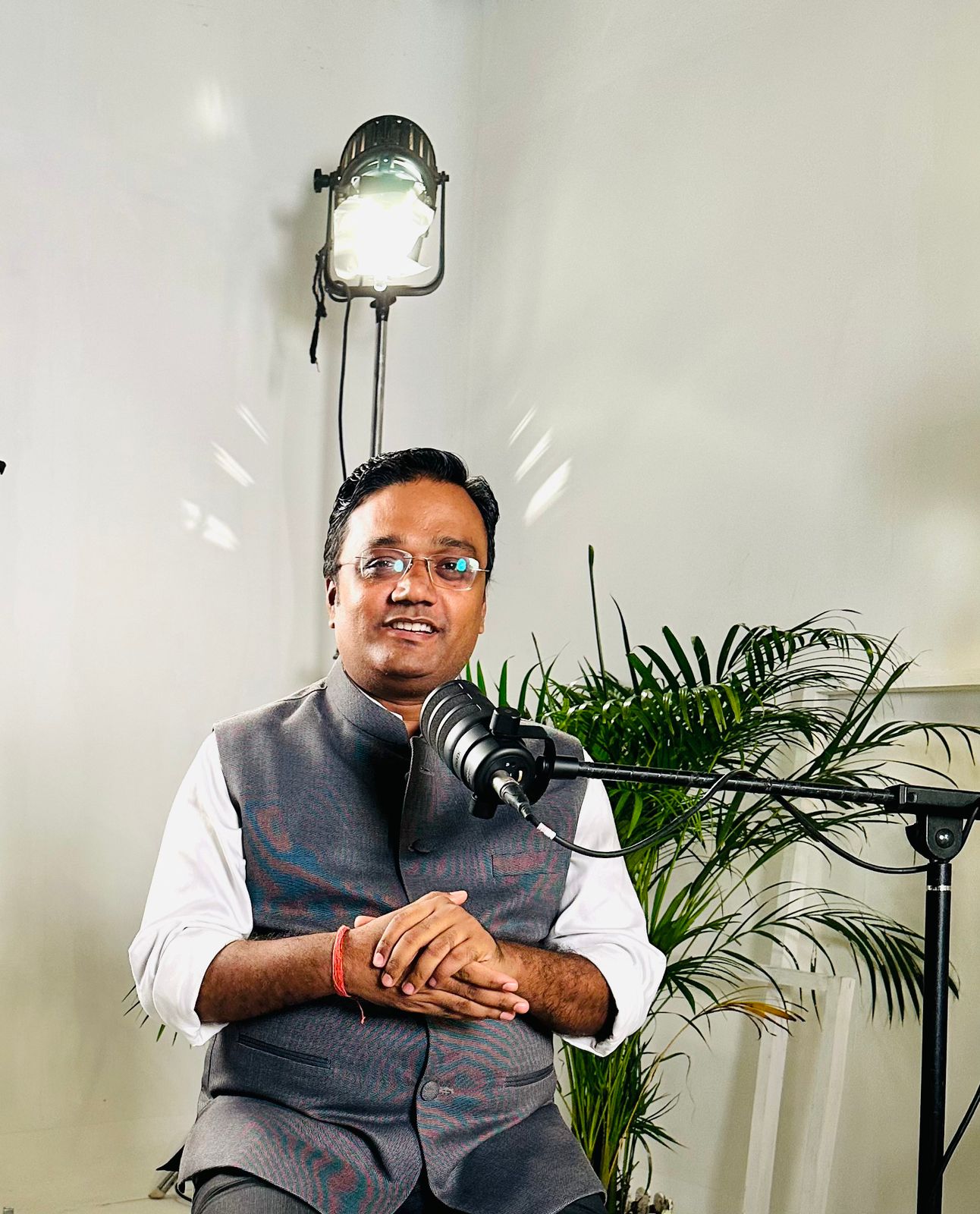 CA Manish Mishra
- Easing Finance
CA Manish Mishra is the Co-Founder & CEO at GenZCFO. He is the most sought professional for providing virtual CFO services to startups and established businesses across diverse sectors, such as retail, manufacturing, food, and financial services with over 20 years of experience including strategic financial planning, regulatory compliance, fundraising and M&A.