Search GrowthX Learning Content


Medical Device Import and Manufacturing License

India’s medical device sector is rapidly expanding and plays a critical role in supporting healthcare infrastructure. To ensure quality, safety, and efficacy, the import and manufacturing of medical devices are regulated under the Drugs and Cosmetics Act, 1940, and the Medical Devices Rules, 2017. These rules were notified by the Ministry of Health and Family Welfare and brought into effect on January 1, 2018. They establish a comprehensive licensing framework for manufacturing, importing, selling, and distributing medical devices across different risk categories. The Central Drugs Standard Control Organization (CDSCO) is the national regulatory authority overseeing this process.
In this article, CA Manish Mishra talks about Medical Device Import and Manufacturing License.
Legal Framework Governing Medical Devices
Medical devices in India are regulated under the Drugs and Cosmetics Act, 1940, specifically under Chapter IV, and the detailed procedures and classifications are defined in the Medical Devices Rules (MDR), 2017. These rules introduced a risk-based classification system that categorizes devices into four classes:
-
Class A (Low Risk)
-
Class B (Low to Moderate Risk)
-
Class C (Moderate to High Risk)
-
Class D (High Risk)
The licensing authority for Class A and B devices is the State Licensing Authority, while Class C and D devices are regulated by the Central Licensing Authority (CDSCO). The licensing procedures differ based on the classification, source of the device (domestic or imported), and its intended use.
Manufacturing License for Medical Devices
Any person or company intending to manufacture medical devices in India must apply for a manufacturing license in accordance with the Medical Devices Rules, 2017. The following are key licensing forms and requirements:
-
Form MD-3 (Application) and Form MD-5 (License) for manufacturing Class A and B devices.
-
Form MD-7 (Application) and Form MD-9 (License) for manufacturing Class C and D devices.
The manufacturer must have:
-
A qualified technical staff with a degree in biomedical engineering, pharmacy, microbiology, or related fields.
-
A Quality Management System (QMS) compliant with ISO 13485.
-
Premises with adequate infrastructure, environmental control, storage, and cleanroom facilities (as applicable to device type).
-
A documented device master file and plant master file detailing the production process, validation, and safety protocols.
For contract manufacturing, an applicant must also submit a copy of the contract agreement and ensure that all manufacturing and testing responsibilities are well-defined.
The application is made online through the SUGAM portal of CDSCO. Inspection is conducted by a notified body or CDSCO (for Class C & D), and the license is valid indefinitely unless suspended or cancelled, subject to payment of retention fees every five years.
Import License for Medical Devices
Importers of medical devices must obtain a valid Import License before bringing products into the Indian market. The following forms apply:
-
Form MD-14 (Application) and Form MD-15 (License) for importing medical devices of any class.
The applicant must provide:
-
A copy of the Free Sale Certificate (FSC) from the country of origin.
-
ISO 13485 certificate or QMS equivalent.
-
Device master file and regulatory approvals from countries like the USA (FDA), Europe (CE), Japan (PMDA), Canada (HC), or Australia (TGA).
-
Labelling information including intended use, warnings, importer details, and marketing authorization.
-
Agreement with an Indian Authorized Agent (if the foreign manufacturer is applying).
The CDSCO evaluates the application based on safety, performance, and regulatory standing of the product in other regulated markets. In some cases, the applicant may be asked to submit samples or conduct clinical investigations in India for high-risk devices.
Classification of Devices and Registration Timeline
The CDSCO provides a detailed list of notified devices and their classification. Devices that are notified require prior registration, while non-notified devices do not require licensing until officially brought under regulation. Recent notifications have expanded the scope significantly.
From October 1, 2023, all non-notified devices have come under licensing. Transitional timelines were given previously under a voluntary registration system through Form MD-29 and acknowledgment in Form MD-29A. As per the latest updates, failure to convert voluntary registration into a formal license can lead to cancellation of operations.
Labelling, Distribution, and Post-Market Requirements
Manufacturers and importers must ensure that their products meet the labelling standards as specified in Chapter VI of the MDR, 2017. Labels must include:
-
Name of the device and model number
-
Manufacturing and expiry date
-
Batch or serial number
-
Intended use
-
Warnings and contraindications
-
Importer and manufacturer details
-
Customer care information
Post-market surveillance is mandatory for all license holders. Serious adverse events must be reported within 15 calendar days, and periodic safety update reports (PSURs) must be submitted to CDSCO. The Materiovigilance Programme of India (MvPI) monitors the safety of medical devices post-market.
Penalties and Suspension of License
Operating without a valid license for a notified device is punishable under the Drugs and Cosmetics Act, 1940. Penalties can include:
-
Seizure of stock
-
Fines
-
Suspension or cancellation of license
-
Prosecution and imprisonment for responsible persons
Authorities can also initiate surprise inspections and product recalls if safety violations are reported. Misbranding, misleading claims, or lack of documentation can result in regulatory action.
Recent Updates (2023–2025)
The Indian regulatory landscape for medical devices is undergoing major reforms:
-
Mandatory licensing of all medical devices under the medical device rules from October 1, 2023.
-
Extension of license timelines in certain categories like Class A sterile devices up to July 2025 to provide flexibility to small manufacturers.
-
Enhanced harmonization with Global Medical Device Regulators Forum (GMDGF) to promote international trade.
-
Implementation of e-labelling and UDI (Unique Device Identification) is underway for traceability and tracking.
-
CDSCO is strengthening its IT systems and setting up dedicated medical device testing laboratories to reduce dependence on pharma-grade labs.
These reforms are geared towards making India a global hub for medical device manufacturing, especially under the Make in India initiative and Production Linked Incentive (PLI) schemes.
Conclusion
Obtaining a medical device import or manufacturing license in India involves a systematic and compliant approach under the Medical Devices Rules, 2017. Whether a business is manufacturing or importing Class A to D devices, it must follow regulatory requirements regarding personnel qualifications, documentation, safety protocols, and post-market vigilance. As India moves towards a full-fledged regulatory framework for medical devices by 2025, timely licensing, proper classification, and alignment with global standards will be key to ensuring continued market access and regulatory approval. Stakeholders must stay updated with regulatory changes and actively engage with the CDSCO to maintain compliance and protect public health.
- 24 Jun, 2025
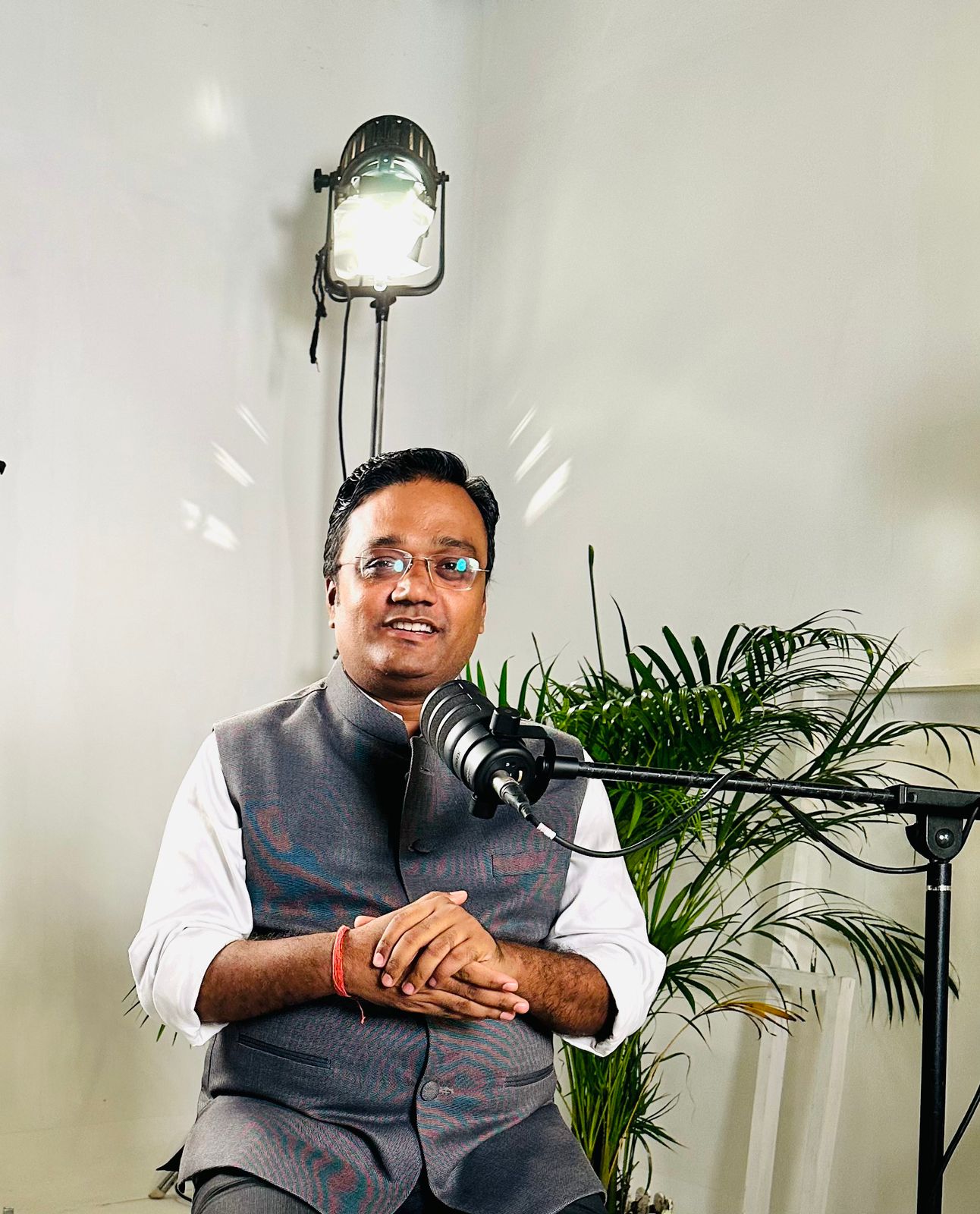 CA Manish Mishra
- Starting Up
CA Manish Mishra is the Co-Founder & CEO at GenZCFO. He is the most sought professional for providing virtual CFO services to startups and established businesses across diverse sectors, such as retail, manufacturing, food, and financial services with over 20 years of experience including strategic financial planning, regulatory compliance, fundraising and M&A.