Search GrowthX Learning Content


UPI, Payment Banks & Neo Banks: Regulatory Challenges
India’s financial ecosystem has experienced a massive transformation with the rise of digital technologies such as UPI, Payment Banks, and Neo Banks. These innovations have redefined how individuals and businesses access financial services, making transactions faster, more convenient, and widely accessible. Today, a person can transfer money, open an account, apply for loans, or manage investments entirely through a smartphone.
However, with this rapid digital expansion comes a parallel increase in regulatory complexity. Since these platforms deal with public money, sensitive financial data, and large transaction volumes, they must operate within a strict legal framework. Regulators like the Reserve Bank of India (RBI) and National Payments Corporation of India (NPCI) are continuously evolving policies to ensure security, financial stability, and consumer protection. The key challenge lies in striking the right balance between innovation and regulation.
In this article, CA Manish Mishra talks about UPI, Payment Banks & Neo Banks: Regulatory Challenges.
Detailed Understanding of UPI, Payment Banks, and Neo Banks
Unified Payments Interface (UPI)
UPI is a real-time digital payment system that has become the backbone of India’s payment ecosystem. It allows instant transfer of funds between bank accounts using mobile devices. What makes UPI unique is its simplicity—users do not need to remember bank details; instead, they can use mobile numbers or virtual payment addresses.
The widespread adoption of UPI has significantly reduced dependency on cash and traditional banking methods. It has enabled small vendors, businesses, and individuals to participate in the digital economy. However, this scale also introduces regulatory challenges related to infrastructure capacity, cybersecurity, and operational stability.
Payment Banks
Payment Banks were introduced to promote financial inclusion by providing basic banking services to underserved populations. They can accept deposits, facilitate payments, and offer remittance services, but they are not allowed to provide loans or credit.
While this model helps in expanding banking access, it also creates limitations. Since lending is a primary revenue source for traditional banks, Payment Banks must rely on transaction fees and partnerships for income. This makes their business model highly dependent on volume and operational efficiency.
Neo Banks
Neo Banks represent the next generation of banking, offering fully digital banking experiences without physical branches. These platforms focus on customer convenience, quick onboarding, and advanced features like spending analytics and automated financial insights.
However, most Neo Banks in India do not have independent banking licenses and operate through partnerships with traditional banks. This creates regulatory ambiguity and dependency, as they must comply with both fintech and banking regulations.
Legal and Regulatory Framework
The legal framework governing these entities is designed to ensure safety, transparency, and accountability in the financial system.
Role of the Reserve Bank of India
The RBI is the central authority responsible for regulating banking and financial institutions in India. It issues licenses, sets compliance standards, and monitors the functioning of Payment Banks, NBFCs, and digital financial platforms.
The RBI ensures that:
-
Financial institutions follow KYC and AML norms
-
Customer data is protected
-
Transactions are secure
-
Systemic risks are minimized
Role of the National Payments Corporation of India
The National Payments Corporation of India (NPCI) plays a central role in managing and operating the UPI ecosystem in India. It is responsible for building and maintaining the core digital infrastructure that enables real-time fund transfers between banks. NPCI ensures that UPI transactions are processed efficiently, securely, and without delays, even with millions of transactions occurring every minute.
NPCI also sets operational guidelines for banks, payment service providers, and fintech applications. These guidelines include rules related to transaction limits, system uptime, API usage, and interoperability. By standardizing these processes, NPCI ensures that users can send and receive money seamlessly across different banks and apps without compatibility issues.
In addition, NPCI continuously monitors system performance to prevent outages and maintain stability. It introduces technical measures to manage high transaction volumes and reduce system overload. NPCI also plays a key role in fraud prevention by implementing security protocols and encouraging institutions to adopt strong authentication mechanisms. Overall, NPCI acts as the backbone of India’s digital payment ecosystem, ensuring that UPI remains reliable, scalable, and accessible to millions of users across the country.
In-Depth Regulatory Challenges
Infrastructure and Scalability Issues
The exponential growth of UPI transactions has created pressure on digital infrastructure. Millions of transactions occur every minute, and any technical glitch can impact a large number of users. Regulators are constantly working to enhance system capacity and ensure uninterrupted service.
Cybersecurity Threats
With increasing digital transactions, cyber threats have become more sophisticated. Fraudsters use techniques such as phishing, fake apps, and social engineering to exploit users. Ensuring robust cybersecurity measures, including multi-factor authentication and real-time fraud detection, is a major regulatory priority.
Data Privacy and Protection
Digital financial platforms collect large amounts of user data. Ensuring that this data is used responsibly and stored securely is a critical challenge. Regulators emphasize transparency, user consent, and strict data protection policies to safeguard customer information.
Market Concentration Risks
A few major players dominate the digital payments market, raising concerns about competition and systemic risk. Over-dependence on a limited number of platforms can create vulnerabilities in the financial system.
Revenue and Sustainability Concerns
Many digital payment services operate on low or zero transaction fees. While this promotes adoption, it creates challenges in building sustainable business models. Payment Banks and fintech companies must find alternative revenue streams to remain viable.
Challenges Specific to Payment Banks
Payment Banks face unique regulatory constraints due to restrictions on lending. Their inability to offer credit services limits profitability and growth potential. Additionally, maintaining compliance with strict regulatory requirements increases operational costs. They must also invest heavily in technology and customer acquisition to remain competitive, which can strain financial resources.
Challenges Specific to Neo Banks
Neo Banks operate in a regulatory grey area, as they do not have independent licenses. Their reliance on partner banks creates operational dependencies and limits control over services.
They also face challenges related to:
-
Data privacy compliance
-
Cybersecurity risks
-
Customer trust
-
Regulatory clarity
As the sector grows, clearer guidelines are expected to address these issues.
Recent Developments and Regulatory Updates
Regulators have taken several steps to address emerging challenges in the digital financial ecosystem. Strengthening cybersecurity frameworks and fraud prevention measures. Introducing operational guidelines to improve system stability. Enhancing compliance requirements for fintech companies. Promoting responsible innovation in digital financial services. Expanding digital payment systems globally. These developments aim to create a balanced ecosystem that supports innovation while ensuring stability and security.
Future Outlook
The future of UPI, Payment Banks, and Neo Banks is extremely promising. These innovations will continue to drive financial inclusion, digital adoption, and economic growth.
However, long-term success will depend on:
-
Strong regulatory oversight
-
Advanced cybersecurity infrastructure
-
Sustainable business models
-
Continuous technological innovation
As regulations evolve, the focus will remain on creating a secure, efficient, and inclusive financial ecosystem.
Conclusion
UPI, Payment Banks, and Neo Banks have revolutionized the way financial services are delivered in India. They have made banking more accessible, efficient, and user-friendly, contributing significantly to the country’s digital economy. At the same time, these innovations have introduced complex regulatory challenges related to cybersecurity, data privacy, infrastructure, and compliance.
With strong oversight from the Reserve Bank of India and National Payments Corporation of India, the ecosystem is continuously evolving to address these challenges. The key to future growth lies in maintaining a balance between innovation and regulation, ensuring that the benefits of digital finance reach all sections of society while maintaining trust, security, and financial stability.
Frequently Asked Questions (FAQs)
Q1. What is UPI and how is it regulated?
Ans. UPI (Unified Payments Interface) is a real-time digital payment system that enables instant bank-to-bank transfers. It is operated by the National Payments Corporation of India and regulated by the Reserve Bank of India, ensuring secure, fast, and interoperable payment services across banks and apps.
Q2. Are UPI transactions safe?
Ans. Yes, UPI transactions are generally safe as they use secure authentication methods such as PIN verification and device binding. However, users must remain cautious about phishing, fake apps, and fraud calls. Regulators continuously update cybersecurity measures to strengthen protection.
Q3. What are Payment Banks and how are they different from regular banks?
Ans. Payment Banks are specialized banks that can accept deposits and facilitate payments but cannot provide loans or credit. Unlike traditional banks, they focus on financial inclusion and digital transactions, serving customers with basic banking needs, especially in rural and underserved areas.
Q4. Why are Payment Banks not allowed to give loans?
Ans. Payment Banks are restricted from lending to reduce financial risk and maintain system stability. Since they primarily handle deposits and payments, this limitation ensures that they operate as low-risk institutions focused on financial inclusion rather than credit expansion.
Q5. What are Neo Banks and are they regulated in India?
Ans. Neo Banks are digital-only banking platforms that offer services through mobile apps or websites. Most Neo Banks do not have independent licenses and operate in partnership with regulated banks. Their activities are indirectly regulated by the Reserve Bank of India through their partner banks.
Q6. What are the key regulatory challenges in UPI?
Ans. Major challenges include infrastructure scalability, cybersecurity threats, market concentration, and sustainability of the zero-fee model. Regulators are working to improve system efficiency, enhance security, and ensure fair competition among payment providers.
Q7. What challenges do Payment Banks face?
Ans. Payment Banks face challenges such as restrictions on lending, limited revenue streams, high compliance requirements, and profitability issues. These constraints make it difficult for them to expand their services and compete with traditional banks.
Q8. What are the risks associated with Neo Banks?
Ans. Neo Banks face risks related to data privacy, cybersecurity, regulatory uncertainty, and dependency on partner banks. Since they operate entirely online, they must invest heavily in technology and security to maintain customer trust.
Q9. How do regulators ensure consumer protection in digital banking?
Ans. Regulators enforce strict guidelines on KYC, data privacy, cybersecurity, and grievance redressal. Financial institutions must follow these rules to protect customer data, prevent fraud, and ensure transparent operations within the financial system.
Q10. What is the future of UPI, Payment Banks, and Neo Banks in India?
Ans. The future is highly promising, with continued growth in digital payments and financial inclusion. However, success will depend on strong regulatory frameworks, improved cybersecurity, and sustainable business models to support long-term growth and innovation.
- 14 May, 2026
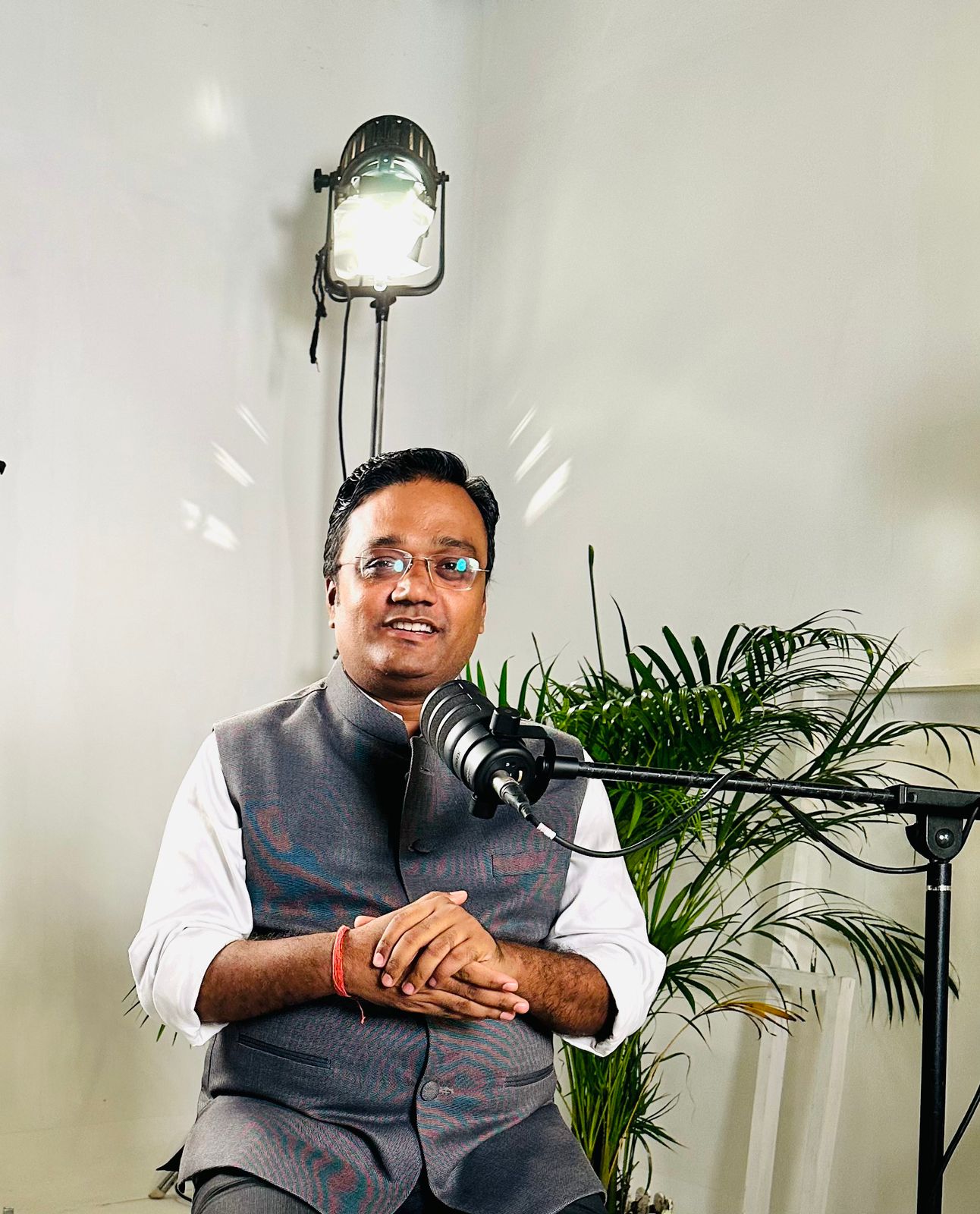 CA Manish Mishra
- Easing Finance
CA Manish Mishra is the Co-Founder & CEO at GenZCFO. He is the most sought professional for providing virtual CFO services to startups and established businesses across diverse sectors, such as retail, manufacturing, food, and financial services with over 20 years of experience including strategic financial planning, regulatory compliance, fundraising and M&A.