Search GrowthX Learning Content


Founder Pay, Perks & ESOPs: What’s Market and What’s Not
Founders often walk a tightrope between resource constraints and building long-term value. One of the most sensitive subjects in this ecosystem is founder compensation, including salary, perks, and Employee Stock Option Plans (ESOPs). These elements are not just financial tools; they reflect the ethos, governance, and market positioning of a company. Balancing fair remuneration with investor confidence and regulatory compliance is crucial, especially as startups scale and prepare for funding rounds or IPOs. In India, several legal frameworks such as the Companies Act, 2013, Income Tax Act, 1961, SEBI regulations, and FEMA guidelines govern how founders are compensated and incentivized.
In this article, CA Manish Mishra talks about Founder Pay, Perks & ESOPs: What’s Market and What’s Not.
Founder Salary: Legal Limits and Market Trends
Founders in the early stages of a startup typically take minimal or deferred salaries, especially before product-market fit or external funding. However, once institutional investors come in, founder salary becomes a negotiated and scrutinized aspect of the term sheet.
Legally, the Companies Act, 2013, under Section 197, restricts the remuneration payable by public companies to managing directors, whole-time directors, and managers to 11% of the net profits of the company computed under Section 198, unless approved by shareholders via special resolution. If the company has no profits or inadequate profits, it must comply with Schedule V, which caps managerial remuneration based on the company’s effective capital, unless Central Government approval is obtained.
Private companies are exempt from Section 197; however, if they become public or plan to list, the remuneration structure must align with these restrictions. Moreover, founder remuneration must be disclosed in Form MGT-7 (Annual Return) and Form AOC-4 (Financial Statement) filed with the Ministry of Corporate Affairs (MCA).
From a market perspective, according to industry reports:
-
Seed-stage founders in India draw between ₹6–₹18 lakhs annually.
-
Series A and B stage founders typically earn ₹24–₹60 lakhs.
-
Post-Series C or pre-IPO founders’ salaries can go up to ₹1 crore+ with board approval, especially in fintech, SaaS, or healthtech.
Perks and Non-Cash Benefits: Regulatory Overview
Founders often receive perks beyond salary such as housing allowances, travel reimbursements, luxury car leases, and company-paid club memberships. While these are seen as normal in mature businesses, in startups they can signal governance red flags if not transparently disclosed or justifiable.
From a tax perspective, these perks fall under the definition of “perquisites” in Section 17(2) of the Income Tax Act, 1961. Perquisites such as rent-free accommodation, company-owned cars, and interest-free loans are taxable in the hands of the founder as part of their salary income.
TDS provisions under Section 192 require the employer (the company) to deduct tax on salary including perquisites, and reflect the same in Form 16 and Form 24Q filed with the Income Tax Department.
From a compliance standpoint, companies must:
-
Properly record perks in their books under employee benefit expenses.
-
Ensure fair valuation of perquisites per Rule 3 of the Income Tax Rules.
-
Disclose them during due diligence and annual ROC filings to avoid investor backlash.
ESOPs for Founders: Legality and Market Practice
Employee Stock Option Plans (ESOPs) are typically designed for key employees and not for promoters or founders. However, many founders who are not designated as promoters in their official filings (especially in investor-led companies) can be beneficiaries of ESOPs, subject to legal and shareholder approval.
Under Rule 12 of the Companies (Share Capital and Debentures) Rules, 2014, ESOPs cannot be granted to promoters or directors holding more than 10% equity in the company unless it is a startup recognized by DPIIT. For DPIIT-registered startups (as defined in Notification G.S.R. 127(E) dated 19.02.2019), this restriction is waived for 10 years from the date of incorporation.
Additionally, ESOPs must be approved via a special resolution under Section 62(1)(b) of the Companies Act, 2013. The company must maintain a register of ESOPs (Form SH-6) and disclose details in the Board’s Report (as per Section 134).
From a taxation perspective, ESOPs are taxed in two stages:
-
At the time of exercise – as perquisite under Section 17(2)(vi).
-
At the time of sale – as capital gains under Section 45, with cost of acquisition being the FMV on the exercise date.
For DPIIT-registered startups, Section 80-IAC provides relief from immediate TDS on ESOPs. As per Budget 2020, the tax on perquisite value of ESOPs is deferred to the earlier of:
-
5 years from the year of exercise,
-
Date of sale of shares, or
-
Date of the employee leaving the company.
This was a big win for startup founders and early employees alike.
SEBI and ESOPs in Listed Companies
Once a startup goes public, the issuance of ESOPs must comply with SEBI (Share Based Employee Benefits and Sweat Equity) Regulations, 2021. Key provisions include:
-
Mandatory shareholder approval for ESOP schemes.
-
Appointment of a compensation committee to administer the scheme.
-
Transparent disclosures in annual reports.
-
ESOPs to promoters are prohibited unless specific exemptions apply.
These regulations are enforced to prevent misuse of equity incentive schemes and ensure alignment with shareholder interests.
FEMA Considerations for Foreign Nationals and Cross-Border Startups
In case founders are non-residents or NRIs, issuance of ESOPs or equity must comply with the FEMA (Non-Debt Instruments) Rules, 2019. Issuance of shares including ESOPs to foreign nationals must be:
-
At FMV certified by a SEBI-registered Merchant Banker or CA.
-
Reported through Form ESOP reporting under FEMA (formerly Part F of Form FC-GPR).
Moreover, shares issued to non-resident founders in sectors with FDI caps or conditions (e.g., defense, multi-brand retail, etc.) must adhere to those sectoral rules.
Recent Developments and Investor Perspective
In recent funding rounds, especially post-2022 slowdown, investors have become more cautious about founder payouts. Many term sheets include clauses like:
-
Salary caps linked to revenue or funding stage.
-
Vesting schedules even for founders’ equity.
-
Reverse vesting in cases of underperformance or exit.
The Startup India DPIIT recognition continues to provide certain benefits in compensation structuring such as deferred taxation and promoter ESOP eligibility. However, governance practices are under increasing scrutiny, especially with SEBI tightening regulations for IPO-bound startups post the Paytm, Zomato, and Nykaa IPO disclosures.
Conclusion
The compensation structure for founders comprising salary, perks, and ESOPs must strike a balance between fair reward, company affordability, regulatory compliance, and market expectations. While legally permissible within the contours of the Companies Act, SEBI regulations, Income Tax Act, and FEMA, the real challenge lies in transparent documentation and justification of such payouts to investors, tax authorities, and future shareholders.
Startups are advised to:
-
Document board approvals for salary, ESOPs, and perks.
-
Ensure compliance with valuation and TDS norms.
-
Use DPIIT recognition strategically for ESOP structuring.
-
Maintain transparency in investor communications and audit disclosures.
As India’s startup ecosystem matures, founder compensation will continue to evolve—shaped not just by market benchmarks, but also by trust, governance, and compliance excellence.
Frequently Asked Questions (FAQs)
Q1. Are there legal limits on how much salary a founder can take?
Ans: Yes. In public companies, Section 197 of the Companies Act, 2013 limits managerial remuneration to 11% of net profits, unless approved by shareholders and compliant with Schedule V. Private companies have more flexibility.
Q2. Are founders allowed to receive perks like housing or car benefits?
Ans: Yes, but these are taxable as perquisites under Section 17(2) of the Income Tax Act. The employer must deduct TDS under Section 192 and declare the value in Form 16.
Q3. Can a founder get ESOPs in India?
Ans: Yes, but only if the founder is not a promoter holding over 10% equity, unless the company is a DPIIT-recognized startup, in which case the restriction is relaxed for 10 years.
Q4. What is the tax treatment of ESOPs for founders and employees?
Ans: ESOPs are taxed in two stages:
-
As perquisite income at the time of exercise (Section 17).
-
As capital gains on sale (Section 45).
DPIIT startups enjoy deferred tax benefits under Section 80-IAC.
Q5. What disclosures are required for founder compensation?
Ans: Companies must disclose salaries, perks, and ESOPs in Form AOC-4, Form MGT-7, and the Board’s Report. Listed companies must comply with SEBI (SBEBSE) Regulations, 2021.
Q6. Do ESOPs need shareholder approval?
Ans: Yes. Under Section 62(1)(b) of the Companies Act, ESOPs must be approved by a special resolution of shareholders and documented through appropriate filings and registers.
Q7. Can foreign founders receive ESOPs?
Ans: Yes, subject to compliance with FEMA (Non-Debt Instruments) Rules, 2019. Shares must be issued at or above FMV, and ESOPs must be reported through the designated FEMA forms.
Q8. What’s the typical salary range for Indian startup founders?
Ans: It varies:
-
Pre-seed/seed stage: ₹6–₹18 lakhs/year
-
Series A/B stage: ₹24–₹60 lakhs/year
-
Late stage/Pre-IPO: ₹1 crore+ (subject to board approval)
Q9. What is reverse vesting and is it legal in India?
Ans: Reverse vesting is a contractual agreement where founders’ equity vests over time. It’s legal if documented in shareholders’ agreements and not in violation of the Companies Act.
Q10. Can perks and high salaries cause compliance issues?
Ans: Yes. Unjustified perks or high compensation may raise governance concerns, tax scrutiny, or investor dissatisfaction, especially during audits or funding rounds.
- 22 Jul, 2025
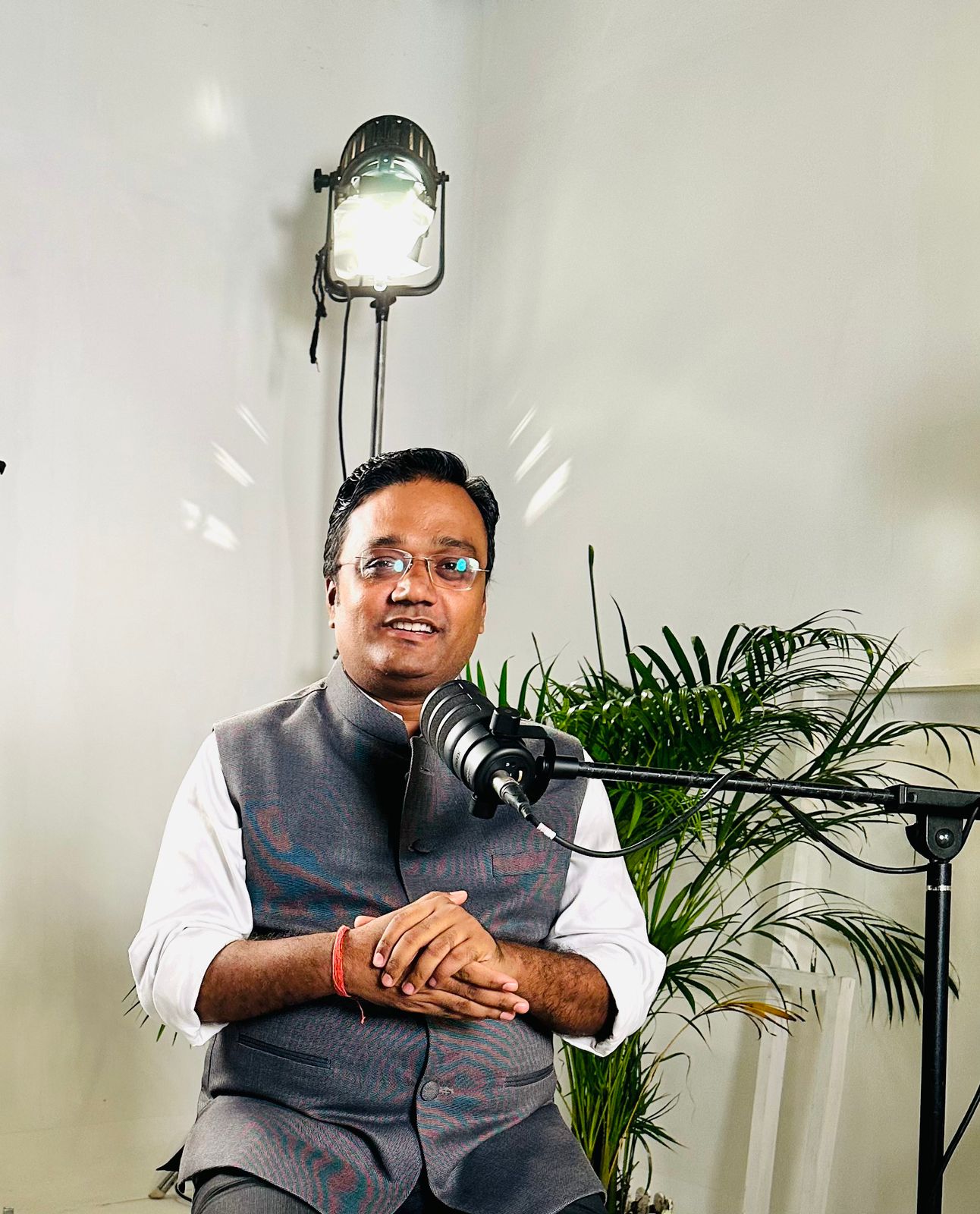 CA Manish Mishra
- Easing Finance
CA Manish Mishra is the Co-Founder & CEO at GenZCFO. He is the most sought professional for providing virtual CFO services to startups and established businesses across diverse sectors, such as retail, manufacturing, food, and financial services with over 20 years of experience including strategic financial planning, regulatory compliance, fundraising and M&A.