Search GrowthX Learning Content


FSSAI License Registration in Delhi: State vs Central

When it comes to running a food business in Delhi—be it a restaurant in Connaught Place, a cloud kitchen in Lajpat Nagar, or a packaged food manufacturing unit in Okhla—one thing is non-negotiable: compliance with FSSAI regulations. The Food Safety and Standards Authority of India (FSSAI) is the apex regulatory body under the Ministry of Health & Family Welfare that governs food safety across India. Its licensing system ensures that food sold to consumers is safe, hygienic, and properly labeled. However, many food business operators (FBOs) often get confused between State FSSAI License and Central FSSAI License, especially in a major city like Delhi.
Understanding which license applies to your business depends on a few key factors: your turnover, nature of operations, and scale of distribution.
This article simplifies the FSSAI license registration process in Delhi and explains the key differences between State vs Central FSSAI License with relevant sections, human examples, and FAQs.
Legal Framework Behind FSSAI License
The FSSAI licensing system is governed under the Food Safety and Standards Act, 2006, which mandates that no person shall commence or carry on any food business except under a license (Section 31 of the Act). The Food Safety and Standards (Licensing and Registration of Food Businesses) Regulations, 2011 lay out the criteria for registration, licensing, renewal, and compliance.
Section 31(1) of the Act makes it clear that every food business operator must obtain either a registration certificate or a license depending on their eligibility. Failure to do so may attract penalties under Section 63, which can lead to imprisonment up to 6 months and a fine up to ₹5 lakhs.
Understanding FSSAI in the Context of Delhi
Delhi, being a National Capital Territory with a large population, diverse markets, and food business hubs, has a unique profile of FBOs. From local food trucks to e-commerce food exporters, businesses in Delhi must be clear about what type of license they need.
FSSAI licenses are divided into three categories:
-
FSSAI Basic Registration (for small FBOs with turnover up to ₹12 lakhs per annum)
-
FSSAI State License (for FBOs with turnover between ₹12 lakhs to ₹20 crores per annum operating within one state)
-
FSSAI Central License (for FBOs with turnover above ₹20 crores per annum or businesses involved in imports, exports, or operating in more than one state)
Now let’s understand how State and Central licenses differ in practice within Delhi.
State FSSAI License in Delhi
A State FSSAI License is issued by the Department of Food Safety, Delhi Government. It is suitable for medium-sized businesses such as:
-
Mid-sized restaurants
-
Small food manufacturers
-
Storage units, warehouses, or transporters operating only within Delhi
-
Food processing units with turnover less than ₹20 crores
For example, if you run a bakery in Karol Bagh with an annual turnover of ₹18 lakhs, and you sell only in Delhi, then a State License is appropriate.
The license is issued under Form B of the FSSAI Regulations, and applicants must submit documents such as:
-
PAN, Aadhar of owner/director/partner
-
Rent agreement or ownership proof
-
Layout plan of the premises
-
List of food products
-
Water testing report
-
Declaration in Form IX
The State License is usually valid for 1 to 5 years, and it must be renewed before expiry to avoid late fees and penalties.
Central FSSAI License in Delhi
A Central FSSAI License is issued directly by the FSSAI Central Authority, usually when the business meets any of the following criteria:
-
Turnover exceeds ₹20 crores per annum
-
Business involves import or export of food products
-
Food e-commerce platforms (Zomato, Swiggy vendors, Amazon sellers)
-
Operating in more than one state
-
Manufacturing units using food additives
For instance, a packaged snacks manufacturer based in Delhi exporting food items to the UAE or operating supply chains in Gurgaon, Noida, and Mumbai will need a Central FSSAI License.
Apart from the basic documents mentioned earlier, applicants must also submit:
-
Certificate from Ministry of Commerce (for exporters)
-
Import Export Code (IEC)
-
NOC from Pollution Control Board (if applicable)
-
List of machines and capacities (for manufacturing units)
-
Recall Plan (for manufacturers)
Central Licenses are also issued using Form B, but the scrutiny level is more stringent. It is advisable to seek professional help while applying for Central licenses to ensure faster processing.
Registration Process in Delhi: Step-by-Step
Whether you’re applying for State or Central FSSAI License, the process begins with the Food Licensing and Registration System (FoSCoS) portal (https://foscos.fssai.gov.in/). The registration process involves the following steps:
-
Create User Login on the FoSCoS portal
-
Select Business Type (Manufacturing, Storage, Retail, etc.)
-
Enter Business Details including address, turnover, product category, etc.
-
Upload Required Documents (PAN, Aadhar, layout plan, food category, etc.)
-
Submit Application with Fees – Fees vary depending on license type and duration (₹2,000 to ₹7,500 for State, ₹7,500 per year for Central)
Upon submission, your application is verified by a Designated Officer (DO) in Delhi, who may conduct an inspection before approval. Once verified, your FSSAI license is issued with a 14-digit license number which must be displayed on food labels and at the business premises.
Renewal and Compliance
FSSAI licenses must be renewed 30 days before expiry using the same FoSCoS portal. Late renewals attract fines of ₹100 per day. Businesses must also comply with periodic inspections, labeling norms under FSS (Packaging and Labeling) Regulations, 2011, and submit annual returns using Form D1 for manufacturers.
State vs Central: Key Differences at a Glance
While both licenses ensure food safety compliance, the key difference lies in the scope and scale of business operations. The State License is for businesses confined to Delhi with moderate turnover, while the Central License is mandatory for larger enterprises, import/export units, or multi-state operations.
Both licenses fall under the purview of Section 31 of the FSS Act, and non-compliance can lead to penalties under Section 63, 64, and 65 related to unhygienic processing, misbranding, and misleading ads.
Conclusion
In a city like Delhi, where food entrepreneurship thrives, FSSAI registration is the first step towards building a trusted and compliant food business. Whether you need a State License or a Central License depends on the size, scale, and nature of your operations. Timely registration, renewal, and strict adherence to FSSAI standards not only ensure legal compliance but also boost your brand credibility among consumers and partners.
By understanding the differences between FSSAI State vs Central License, food business operators in Delhi can make informed decisions, avoid regulatory pitfalls, and focus on growing their ventures with confidence.
FAQs on FSSAI License in Delhi
- Is FSSAI license mandatory for home-based food businesses in Delhi?
Yes, even home kitchens must obtain Basic Registration if their turnover is up to ₹12 lakhs. For higher turnover, State License applies.
- Can I apply for FSSAI License in Delhi without a commercial space?
Yes, you can apply using a home kitchen address for basic or small-scale licenses, but proper hygiene and food safety standards must be maintained.
- What is the government fee for FSSAI State and Central License in Delhi?
For State License, it ranges from ₹2,000 to ₹5,000 per year. For Central License, the fee is ₹7,500 per year.
- How long does it take to get an FSSAI License in Delhi?
It usually takes 15 to 30 days depending on the category of license and whether inspection is required.
- What happens if I don’t renew my FSSAI license on time?
Late renewal attracts a penalty of ₹100 per day. If expired, you must reapply for a fresh license, which can cause operational delays.
- 15 Apr, 2025
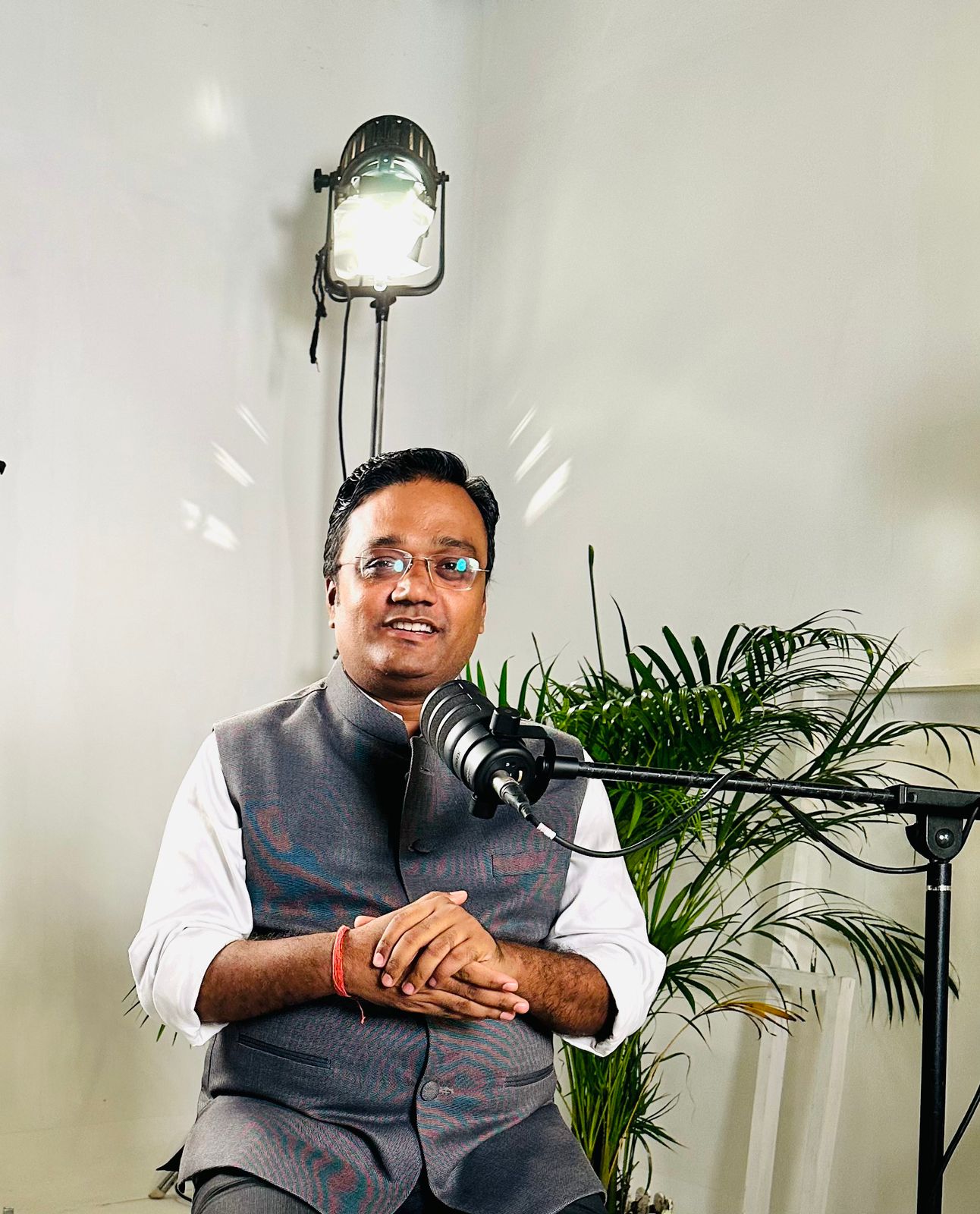 CA Manish Mishra
- CFO Services
CA Manish Mishra is the Co-Founder & CEO at GenZCFO. He is the most sought professional for providing virtual CFO services to startups and established businesses across diverse sectors, such as retail, manufacturing, food, and financial services with over 20 years of experience including strategic financial planning, regulatory compliance, fundraising and M&A.