Search GrowthX Learning Content


Who Needs a Full-Fledged Money Changer Licence?

Foreign currency exchange is an important service for people travelling between countries. A foreign tourist arriving in India may need to convert dollars into Indian rupees, while an Indian resident travelling overseas may need foreign currency for the journey. Businesses providing these services must follow the foreign exchange requirements prescribed by the Reserve Bank of India. A Full-Fledged Money Changer licence, commonly called an FFMC licence, authorises a business to undertake specified money-changing activities.
However, businesses must understand an important change introduced in 2026. From 6 May 2026, the RBI stopped considering fresh FFMC applications, except applications already under process when the new regulations came into force. Existing licence holders may continue operating subject to their authorisation and applicable requirements. Understanding who needs permission, which activities an FFMC can undertake and what options are available to new businesses can help entrepreneurs choose the correct approach before investing in a currency exchange business.
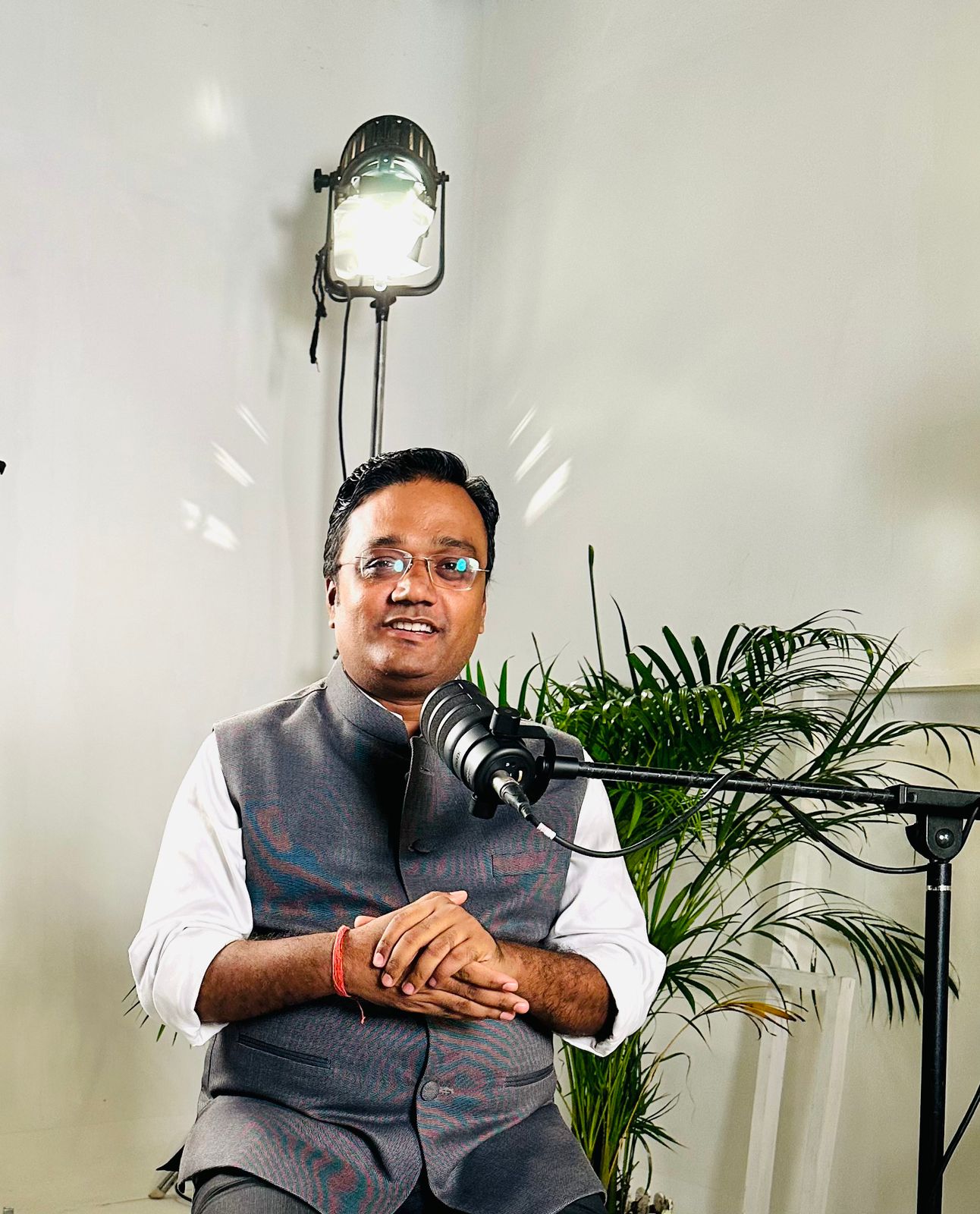
In this article, CA Manish Mishra talks about Who Needs a Full-Fledged Money Changer Licence?
What Is a Full-Fledged Money Changer Licence?
A Full-Fledged Money Changer licence is an authorisation issued by the RBI under Section 10 of the Foreign Exchange Management Act, 1999, commonly known as FEMA. It permits the authorised entity to conduct specified foreign currency exchange activities within the conditions imposed by the RBI. In practical terms, an FFMC provides currency exchange services to eligible customers. It may purchase foreign currency from a person returning from an overseas trip or sell foreign currency to someone travelling abroad.
Each transaction must satisfy the applicable requirements relating to customer identification, permitted purpose, payment methods and record maintenance. The expression “full-fledged” does not provide unrestricted permission to conduct all foreign exchange activities. An FFMC cannot assume that its authorisation covers every international payment, investment transaction or financial service. Its operations must remain within the activities permitted for its category.
Important Changes to FFMC Licensing in 2026
The Foreign Exchange Management (Authorised Persons) Regulations, 2026 changed the rules governing authorisation for foreign exchange businesses. These regulations came into force on their publication in the Official Gazette on 6 May 2026. Under the revised provisions, the RBI does not consider fresh applications for FFMC authorisation. An exception applies to applications already under process when the regulations came into force.
Those applications are subject to the transitional eligibility, documentation and procedural requirements specified in the regulations. This means that older guidance describing FFMC registration as an open application process should be read carefully. Incorporating a company and arranging the previously prescribed funds does not allow a new applicant to use the earlier route today. A new business must first identify an available regulatory arrangement that matches its proposed services.
Who Needs Permission to Conduct Money-Changing Business?
The requirement for permission depends on the activities performed by the business. Merely serving international customers does not make a company a money changer. The relevant consideration is whether it purchases, sells or otherwise deals in foreign exchange as a service.
A business operating a currency exchange counter must have an appropriate regulatory basis for those activities. Existing FFMCs can operate within their authorised scope, while new entrants must examine the routes available under the 2026 regulations. General business registrations do not replace the permission required to undertake money-changing transactions.
Businesses Operating Currency Exchange Counters
A business that accepts foreign currency from customers and pays Indian rupees in return is carrying on money-changing activity. The same applies to a business selling foreign currency to customers for permitted overseas travel. These activities require a valid authorisation or an arrangement permitted under the applicable rules.
For example, a counter purchasing euros from foreign visitors is providing a regulated service even if it operates from a small commercial shop. The scale of the premises does not remove the need to follow foreign exchange requirements. The operator must establish its legal authority to conduct the service before accepting customer transactions.
Travel Agencies Offering Foreign Currency Services
Travel agencies often help customers arrange flights, accommodation, visas and holiday packages. Offering foreign currency may appear to be a natural addition because travellers frequently need currency before departure. However, permission to operate a travel business does not automatically cover money-changing services.
A travel agency wishing to buy or sell foreign currency must examine an appropriate authorised arrangement. It should clearly identify whether it will merely introduce customers to an authorised provider or participate in conducting transactions. The responsibilities for collecting money, supplying currency, verifying customers and maintaining transaction records must be properly established.
Hotels and Resorts Serving International Guests
Hotels and resorts may receive requests from overseas guests to exchange foreign currency for Indian rupees. Providing a separate exchange facility involves money-changing activity and requires an appropriate permitted arrangement.
A hotel must distinguish between accepting payment for its own hospitality services and operating a currency exchange counter. The rules governing payment of an accommodation bill do not automatically authorise the hotel to buy and sell currency as a separate service. Hotels planning such facilities should also account for the 2026 restrictions on new franchise arrangements.
Businesses at Airports and Tourist Destinations
Airports, tourist centres and other locations attracting international visitors may offer commercial opportunities for currency exchange businesses. However, obtaining premises at such a location does not authorise the operator to deal in foreign exchange.
An airport concession, rental agreement or commercial allotment gives the business access to the premises. Regulatory permission addresses whether the proposed currency exchange activity can legally be performed. Both aspects should be settled before the operator spends substantially on interiors, staffing, technology and currency inventory.
Businesses Purchasing Unused Foreign Currency
People returning from overseas travel may have unused foreign currency that they wish to exchange for rupees. A business regularly purchasing that currency from customers is undertaking money-changing activity.
The transaction remains regulated even where the customer is an Indian resident and the amount appears modest. The business must follow the applicable requirements for customer verification, payment and transaction records. It should also be able to explain the source and movement of the foreign currency held by it.
Who Does Not Need an FFMC Licence for Their Own Foreign Exchange Needs?
A person or company obtaining foreign exchange for its own permitted use is different from a business providing currency exchange services to customers. The distinction depends on the person’s role in the transaction. Customers generally approach an authorised provider and comply with the requirements applicable to their transaction. They do not become money changers simply because they purchase currency, receive an overseas payment or incur an expense abroad.
Individual Travellers
An individual travelling abroad does not need an FFMC licence to purchase foreign currency for a permitted journey. The traveller obtains the currency through an authorised provider and supplies the necessary information, documents and declarations.
The customer must comply with the applicable foreign exchange limits and conditions. However, buying currency for personal travel does not make the traveller a foreign exchange service provider.
Companies Arranging Employee Travel
A company may arrange foreign currency for employees attending overseas meetings, exhibitions, conferences or training programmes. Purchasing currency for these business travel needs does not, by itself, make the company a money-changing business.
The company should use an appropriate authorised channel and maintain documents supporting the business purpose. A separate regulatory question arises if it begins providing currency exchange services to unrelated customers.
Importers, Exporters and Freelancers
Importers, exporters and freelancers may make or receive international payments as part of their work. These transactions do not automatically create a requirement for an FFMC licence. They must instead be handled through an appropriate authorised channel under the rules applicable to the underlying transaction.
For example, a freelancer receiving payment from an overseas client is receiving business income. That activity is different from purchasing foreign currency from the public as a commercial service. Likewise, an importer should not assume that an FFMC licence is the permission required to settle overseas supplier invoices.
What Activities Can an FFMC Undertake?
The 2026 regulations identify the activities permitted for FFMCs. These include purchasing foreign currency notes and travellers’ cheques and selling foreign currency notes and travellers’ cheques for foreign travel purposes. An FFMC may also function as an agent under the Money Transfer Service Scheme, subject to the guidelines governing that scheme. Each service must be assessed against the relevant conditions and any restrictions imposed by the RBI.
Purchasing Foreign Currency
An FFMC may purchase foreign currency notes and travellers’ cheques within its permitted scope. Customers may include eligible residents returning from abroad and non-residents visiting India.
The business must apply the relevant customer checks and operational requirements. It should maintain records connecting the customer, the currency purchased, the exchange rate and the payment made. Proper documentation helps resolve customer queries and supports reconciliation and regulatory inspection.
Selling Currency for Foreign Travel
An FFMC may sell foreign currency notes and travellers’ cheques for permitted foreign travel purposes. The transaction must satisfy the applicable rules concerning the customer, travel purpose, amount and payment method.
For instance, a customer seeking currency for an overseas holiday must complete the required process before the currency is released. The business should ensure that staff understand the difference between a permitted travel-related sale and a transaction outside the FFMC’s authorised scope.
Acting Under the Money Transfer Service Scheme
An FFMC may function as an agent under MTSS in accordance with that scheme’s requirements. This activity must be organised through the appropriate arrangement and supported by the necessary controls.
An FFMC licence should therefore not be advertised as unrestricted permission to send money internationally. The permitted transfer activity depends on the separate MTSS requirements and the role approved for the business.
What Activities Are Outside an FFMC’s General Permission?
An FFMC licence does not provide a general authority to undertake all cross-border financial services. A licence holder should not assume that it can process overseas investments, provide unrestricted outward remittances or operate a foreign exchange trading platform.
The correct permission depends on the substance of the proposed service. Even where a company already has experience in currency exchange, expanding into another financial activity may require a different authorisation or arrangement. Reviewing the scope before launching the service helps avoid commitments that the existing licence cannot support.
What Can New Businesses Consider Instead of a Fresh FFMC Application?
New businesses must examine the available routes under the revised regulations. The appropriate choice depends on the proposed activities, the business’s eligibility and whether it intends to operate independently or as an agent.
A business should define its services precisely before selecting a route. Buying currency from tourists, selling travel currency and processing international business payments involve different regulatory considerations.
Forex Correspondent Arrangements
The 2026 regulations allow Authorised Dealer Category-I and Category-II entities to appoint Forex Correspondents, commonly called FxCs. An FxC operates as an agent of its authorised dealer principal. The permitted activities include specified currency purchases and sales for foreign travel purposes. Transactions carried out under the arrangement must be reflected in the principal’s books.
Appointment depends on the principal’s approved policy, including due diligence, financial requirements, systems, controls and customer service standards. For a new retail currency exchange venture, an FxC arrangement is a route to examine. However, appointment is not automatic. The prospective operator must satisfy the principal’s requirements and work within the approved activities and operating conditions.
Authorised Dealer Categories
The regulations provide for Authorised Dealer Categories I, II and III, each with its own eligibility requirements and scope. These categories cannot be treated as interchangeable permissions.
AD Category-II eligibility includes specified regulated entities and qualifying FFMCs or FxCs meeting the required operating history and turnover conditions. AD Category-III addresses specified incidental or innovative foreign exchange activities, with the permitted scope determined by the RBI. A business must assess the relevant conditions before presenting either category as an alternative to an FFMC licence.
Can a New Business Obtain an FFMC Franchise?
The earlier money-changing franchise route is no longer open for new arrangements. Under the 2026 regulations, authorised persons must not enter into fresh franchise arrangements under the previous scheme. Existing franchise arrangements must be discontinued within two years from 6 May 2026. A former franchisee may be appointed as an FxC, subject to the conditions governing that arrangement.
The change requires a suitable principal-agent relationship and compliance with the applicable requirements. A business considering a proposal advertised as a new FFMC franchise should therefore verify the regulatory basis before signing an agreement or paying money.
Financial Requirements for Existing FFMCs
For renewal under the 2026 regulations, an existing single-branch FFMC must have a minimum net worth of ₹25 lakh. The corresponding requirement for a multiple-branch FFMC is ₹50 lakh.
These amounts are financial eligibility requirements, rather than government licence fees. Businesses should also distinguish the renewal net worth requirements from the Net Owned Funds conditions retained for qualifying pending applications under the transitional provisions. An assessment of eligibility should use the financial measure specified in the relevant provision. Paid-up capital, available bank balance and net worth should not be assumed to mean the same thing.
Renewal Requirements for Existing Licence Holders
Existing FFMCs must check the validity and conditions of their current authorisation. Under the 2026 regulations, an application for renewal must be submitted at least two months before the existing authorisation expires.
Where an application is made within that period, the existing authorisation continues until the renewal is granted or the application is rejected. Authorisations granted under the new regulations remain valid until revoked or surrendered, subject to their conditions. Existing operators should therefore review their own licence position instead of assuming that every older licence automatically becomes perpetual.
Minimum Annual Forex Turnover
The 2026 regulations prescribe a minimum annual forex turnover of ₹10 crore for FFMCs. The requirement must be achieved within two years from the commencement of the regulations or the commencement of forex business, whichever is later, and maintained thereafter.
Forex turnover is a defined measure based on qualifying foreign exchange transactions. It should not be confused with the company’s profit or commission income. Existing operators should assess their transaction volumes against this requirement and account for it in their continuing business plans.
Customer Verification and Transaction Records
A money-changing business must have reliable procedures for identifying customers and recording transactions. These procedures help establish who conducted the transaction, its permitted purpose and how payment and currency delivery took place.
Staff should understand the requirements applicable to different customers and transaction types. Records should connect customer documents, declarations, receipts, currency movements and accounting entries. A well-organised process makes daily reconciliation easier and helps the business respond to customer complaints or regulatory enquiries.
How to Identify the Correct Route for Your Business
The starting point is a clear description of the proposed service. A broad statement such as “we want to provide forex services” does not provide enough detail to identify the correct permission. The business should establish which transactions it wants to conduct, who its customers will be and whether it intends to act independently or on behalf of an authorised dealer.
It can then assess eligibility, financial requirements, permitted activities and operational responsibilities. This assessment should take place before major spending on premises, currency stock or marketing. For new entrants, the closure of the general fresh FFMC application route makes early regulatory planning particularly important.
Conclusion
An FFMC licence is relevant to authorised businesses providing specified currency exchange services. Travel agencies, hotels and businesses operating exchange counters must examine their actual activities to determine the permission or arrangement required. Individual travellers and companies obtaining foreign exchange for their own permitted needs are in a different position.
The major change in 2026 is that fresh FFMC applications are no longer generally considered. Existing FFMCs must manage renewal and continuing compliance, while new businesses should assess the available routes, including suitable Forex Correspondent arrangements, before starting money-changing operations.
Frequently Asked Questions (FAQ’s)
Q1. What is a Full-Fledged Money Changer licence?
Ans. An FFMC licence is an RBI authorisation allowing a business to undertake specified money-changing activities, including purchasing foreign currency and selling it for permitted foreign travel purposes.
Q2. Who needs permission to operate a currency exchange business?
Ans. Businesses buying or selling foreign currency as a service need an appropriate authorisation or permitted agency arrangement. This includes currency exchange counters and travel agencies or hotels conducting money-changing transactions.
Q3. Can a new company apply for an FFMC licence in 2026?
Ans. From 6 May 2026, the RBI stopped considering fresh FFMC applications. An exception applies to applications already under process when the new regulations took effect, subject to the prescribed transitional conditions.
Q4. Can existing FFMCs continue operating?
Ans. Yes. Existing FFMCs may continue according to their authorisation, its validity and the applicable regulations. They must meet renewal requirements where relevant and comply with continuing financial and operational conditions.
Q5. Does a travel agency automatically have permission to exchange foreign currency?
Ans. No. Travel agency registration does not authorise currency exchange. An agency wishing to conduct money-changing transactions must operate through an appropriate regulatory arrangement covering those activities.
Q6. Can hotels exchange foreign currency for their guests?
Ans. Hotels can provide currency exchange only through a permitted arrangement. Accepting payment for accommodation and operating a separate currency exchange service are different activities and should be assessed separately.
Q7. Do individuals need an FFMC licence to buy currency for overseas travel?
Ans. No. Individuals purchasing foreign currency for their own permitted travel do not need an FFMC licence. They must use an authorised provider and comply with the applicable documentation, declarations and limits.
Q8. What is the minimum net worth for renewal of an existing FFMC authorisation?
Ans. Under the 2026 regulations, the minimum net worth for renewal is ₹25 lakh for a single-branch FFMC and ₹50 lakh for a multiple-branch FFMC. These amounts are financial eligibility requirements, not licence fees.
Q9. What is the renewal deadline for an existing FFMC authorisation?
Ans. An application for renewal must be submitted at least two months before expiry. When submitted within that period, the existing authorisation continues until the RBI grants renewal or rejects the application.
Q10. What minimum annual forex turnover must an FFMC achieve?
Ans. The prescribed minimum annual forex turnover is ₹10 crore. It must be achieved within two years from the regulations taking effect or commencement of forex business, whichever is later, and maintained thereafter.
- 03 Nov, 2026
 CA Manish Mishra
- Easing Finance
CA Manish Mishra is the Co-Founder & CEO at GenZCFO. He is the most sought professional for providing virtual CFO services to startups and established businesses across diverse sectors, such as retail, manufacturing, food, and financial services with over 20 years of experience including strategic financial planning, regulatory compliance, fundraising and M&A.