India’s rural population forms nearly two-thirds of the country’s total population and remains highly exposed to financial risks arising from health emergencies, crop failures, natural disasters, and irregular income patterns. Most rural households depend on agriculture, daily wages, or informal employment, where even a single adverse event can push families into debt or poverty. Limited access to formal credit and social security further increases their vulnerability, making financial protection a critical need rather than a choice.
Micro-insurance has emerged as an effective solution to address these risks by offering affordable insurance products tailored to low-income households. These policies provide basic coverage for life, health, crops, livestock, and accidents at minimal premiums, helping families manage financial shocks. Although the Indian government and regulators have actively promoted micro-insurance through welfare schemes and simplified regulations, its penetration in rural India remains uneven. Factors such as low awareness, trust deficits, distribution challenges, and claim-related issues continue to limit its reach, highlighting both meaningful progress and persistent structural challenges.
In this article, CA Manish Mishra talks about Micro-Insurance & Penetration in Rural India.
Micro-Insurance
Micro-insurance refers to insurance products specifically designed to meet the needs of low-income and financially vulnerable individuals. These products provide protection against common risks such as death, illness, crop loss, livestock mortality, property damage, and accidental injury—risks that can severely impact households with limited savings or access to formal credit. Unlike conventional insurance, micro-insurance focuses on affordability and accessibility so that people in rural and informal sectors can participate in the insurance ecosystem.
Micro-insurance products are characterised by low premium amounts, making them affordable even for households with irregular incomes. They feature simplified policy terms and minimal documentation to ensure easy understanding and faster enrolment. The sum assured is modest, aligned with basic protection needs rather than large financial payouts, and flexible payment mechanisms such as monthly or seasonal premiums are often provided. The core objective of micro-insurance is risk protection, not wealth creation. By cushioning families against sudden financial shocks, micro-insurance helps prevent distress borrowing, asset loss, and long-term poverty.
Importance of Micro-Insurance in Rural India
Micro-insurance is extremely important in rural India because most households rely on agriculture, daily wages, or informal employment, where income is irregular and uncertain. Events such as illness, crop failure, disability, or the death of an earning member can immediately disrupt a family’s livelihood. In the absence of strong social security systems, rural families are often forced to borrow at high interest rates or sell productive assets like land or livestock, which deepens poverty and financial instability.
Micro-insurance helps reduce this vulnerability by providing affordable financial protection during emergencies. It prevents distress borrowing and debt traps by offering timely support when unexpected losses occur. By ensuring a minimum level of income security, it supports household stability and long-term planning. Micro-insurance also promotes financial inclusion by connecting rural populations with formal financial systems. Additionally, it complements government welfare schemes by filling protection gaps, collectively strengthening rural economic resilience and helping families recover more quickly from financial shocks.
Types of Micro-Insurance Products in Rural India
Micro-insurance products in rural India are designed to address the most common risks faced by low-income households and farmers. These products are simple, affordable, and targeted toward basic protection rather than high-value coverage.
-
Life Micro-Insurance provides financial support to a family in the event of the death of the insured person, especially the primary earning member. These policies are structured with low premiums, minimal documentation, and simplified underwriting so that rural households can easily access coverage without complex medical or financial requirements. The payout helps families manage immediate expenses and maintain basic financial stability.
-
Health Micro-Insurance covers hospitalisation and certain medical expenses, which can otherwise be financially devastating for rural families. These products often work alongside government health schemes, reducing out-of-pocket healthcare costs and improving access to treatment in emergencies.
-
Agricultural and Crop Insurance protects farmers against losses caused by droughts, floods, pests, or other natural calamities. Schemes such as the Pradhan Mantri Fasal Bima Yojana (PMFBY) are vital in stabilising farm incomes and encouraging continued agricultural activity.
-
Livestock Insurance safeguards farmers against the loss of cattle, poultry, or other animals, which are critical income-generating assets in rural areas. Compensation helps families recover quickly from unexpected losses.
-
Asset and Accident Insurance covers huts, tools, and equipment, while also providing accidental death or disability benefits. These products offer essential protection to informal workers, ensuring financial support during unforeseen events.
Legal and Regulatory Framework Governing Micro-Insurance
The Insurance Regulatory and Development Authority of India (IRDAI) regulates micro-insurance through specific regulations aimed at expanding insurance coverage among low-income and rural populations. The regulatory framework is designed to balance consumer protection with ease of access, ensuring that micro-insurance products remain affordable, simple, and widely available.
-
Simplified Product Approval: IRDAI has streamlined the product approval process for micro-insurance policies so that insurers can launch suitable products quickly. This encourages innovation and allows insurers to design products that meet the specific needs of rural and economically weaker sections.
-
Reduced Documentation Requirements: To improve accessibility, the framework permits minimal documentation and simplified proposal forms. This helps rural households enroll in insurance schemes without facing procedural or literacy-related barriers.
-
Use of Micro-Insurance Agents: IRDAI allows insurers to distribute micro-insurance products through trusted local institutions such as Self-Help Groups (SHGs), Non-Governmental Organisations (NGOs), Microfinance Institutions (MFIs), and cooperatives. These agents play a critical role in awareness creation, policy servicing, and claim assistance at the grassroots level.
-
Flexible Premium Collection Models: Recognising irregular income patterns in rural areas, IRDAI permits flexible premium payment options, including small and periodic payments aligned with crop cycles or wage flows.
-
Rural and Social Sector Obligations: IRDAI mandates insurers to meet prescribed rural and social sector obligations, requiring them to provide minimum insurance coverage in underserved regions. This ensures that micro-insurance contributes meaningfully to financial inclusion and social security across rural India.
Current Status of Micro-Insurance Penetration in Rural India
Despite strong policy intent and regulatory support, micro-insurance penetration in rural India remains lower than in urban areas. While government-backed insurance schemes have significantly increased the number of policies issued, the challenge lies in effective coverage that is, whether insured individuals fully understand their policies, actively use them, and receive timely claim benefits. Issues such as low awareness, limited financial literacy, mistrust due to past claim rejections or delays, and operational inefficiencies at the ground level continue to restrict the real impact of micro-insurance.
That said, recent years have shown measurable improvement in rural micro-insurance adoption due to structural and technological changes:
-
Digital Enrolment and Aadhaar-Based Onboarding: Digital platforms and Aadhaar-enabled verification have simplified policy enrolment, reduced paperwork, and improved reach in remote areas, making insurance more accessible to rural households.
-
Direct Benefit Transfer (DBT) Integration: DBT has ensured that claim amounts and benefits are transferred directly into beneficiaries’ bank accounts, improving transparency, reducing leakages, and building trust in insurance schemes.
-
Mobile-Based Premium Collection: Mobile payment systems have enabled small, flexible premium payments, aligning better with irregular rural incomes and increasing policy continuity.
-
Expansion of Banking Correspondents and CSCs: The growing network of banking correspondents and Common Service Centres (CSCs) has strengthened last-mile delivery, helping rural citizens access insurance services, policy renewals, and claim assistance locally.
Key Challenges in Rural Micro-Insurance Penetration
Despite its potential, micro-insurance adoption in rural India faces several structural and behavioural challenges that limit its reach and effectiveness.
-
Low Awareness and Financial Literacy: A large number of rural households have limited understanding of insurance concepts such as premiums, coverage, exclusions, and claim procedures. This lack of awareness often leads to hesitation in purchasing insurance voluntarily and creates misconceptions, especially around claim eligibility and settlement, reducing overall participation.
-
Affordability Constraints: Although micro-insurance products are designed with low premiums, many rural families have irregular and seasonal incomes. When basic needs take priority and insurance benefits are not immediately visible, even small premium amounts may seem unaffordable, resulting in low uptake or policy discontinuation.
-
Trust Deficit: Delayed claim settlements, partial payouts, or rejected claims in the past have created mistrust toward insurers. Without clear communication and timely claim support, rural policyholders may perceive insurance as unreliable, discouraging future enrolment.
-
Distribution and Accessibility Issues: Reaching remote rural areas remains a challenge due to limited infrastructure, shortage of trained agents, and weak last-mile connectivity. These factors make policy servicing, renewals, and claim assistance difficult.
-
Claim Settlement Barriers: Complex claim procedures, extensive documentation, and long processing times discourage policyholders from continuing with micro-insurance, reducing renewal rates and long-term effectiveness.
Role of Government Schemes in Enhancing Penetration
Government-backed insurance schemes have played a crucial role in expanding micro-insurance coverage across rural India by making insurance affordable, accessible, and trusted. These schemes leverage large-scale implementation, premium subsidies, and existing institutional networks to reach populations that were previously outside the formal insurance system.
-
Pradhan Mantri Jeevan Jyoti Bima Yojana (PMJJBY) provides low-cost life insurance coverage to families, ensuring financial support in the event of the death of the insured. Its affordable premium and simple enrolment process have encouraged widespread participation among rural households.
-
Pradhan Mantri Suraksha Bima Yojana (PMSBY) focuses on accidental death and disability coverage, offering essential protection to informal and unorganised workers who face higher occupational risks.
-
Ayushman Bharat – Pradhan Mantri Jan Arogya Yojana (PMJAY) addresses healthcare affordability by providing health insurance coverage for hospitalisation, significantly reducing out-of-pocket medical expenses for rural families.
-
Pradhan Mantri Fasal Bima Yojana (PMFBY) protects farmers against crop losses due to natural calamities, stabilising farm incomes and encouraging agricultural continuity.
Role of Technology and FinTech in Expanding Reach
Technology is playing a transformative role in improving the accessibility and effectiveness of micro-insurance in rural India. By reducing operational complexity and increasing transparency, digital tools are helping insurers reach underserved populations more efficiently.
-
Mobile Platforms for Easy Access: Mobile applications and digital platforms allow rural users to purchase, renew, and manage insurance policies without visiting physical offices. This reduces dependency on intermediaries and improves last-mile connectivity.
-
Data Analytics for Better Product Design: Insurers use data analytics to assess regional risks, income patterns, and claim trends. This enables the creation of customised micro-insurance products that better match the needs of rural households and farmers.
-
Satellite Imagery for Crop Assessment: In agricultural insurance, satellite imagery and remote sensing technologies help assess crop damage quickly and accurately. This reduces claim disputes and speeds up settlements, especially under crop insurance schemes.
-
Instant Policy Issuance: FinTech and InsurTech platforms enable real-time policy issuance through digital onboarding and e-KYC, making insurance available instantly and improving user confidence.
-
Simplified Claim Verification and Settlement: Digital claim processing, automated checks, and electronic document submission reduce delays and complexity, leading to faster claim settlements and improved trust.
-
Reduced Operational Costs: Automation and technology-driven processes significantly lower administrative and distribution costs, making it viable for insurers to serve remote rural areas at scale.
By improving efficiency, transparency, and accessibility, technology helps bridge trust gaps and enhances customer experience, driving wider adoption of micro-insurance in rural India.
The Way Forward: Strengthening Rural Micro-Insurance
For micro-insurance to achieve its full potential in rural India, a multi-stakeholder approach involving the government, insurers, technology providers, community institutions, and local agents is essential. Merely increasing the number of policies issued is not enough; the focus must shift toward ensuring that insurance provides real and timely protection to rural households.
-
Enhancing Financial Literacy: Financial literacy programs conducted in local languages can help rural communities understand insurance benefits, coverage, and claim procedures. Awareness builds confidence and encourages voluntary participation.
-
Simplifying Policy Terms and Claims Processes: Clear, easy-to-understand policy documents and simplified claim procedures reduce confusion and increase trust, leading to higher renewal rates.
-
Strengthening Agent Training and Accountability: Well-trained agents play a critical role in explaining products and assisting with claims. Improving their skills and accountability enhances customer experience and trust.
-
Leveraging Community Institutions: Institutions such as Self-Help Groups (SHGs) and cooperatives have strong local credibility. Their involvement helps improve outreach, enrolment, and claim assistance.
-
Aligning Private Products with Government Schemes: Integrating private micro-insurance offerings with government schemes helps fill coverage gaps and strengthens the overall social security framework.
Ultimately, sustainable micro-insurance penetration depends on meaningful coverage, efficient claim settlement, and long-term trust, rather than just numerical expansion.
Conclusion
Micro-insurance plays an important role in advancing financial inclusion in rural India by providing affordable protection against risks such as illness, crop failure, accidents, and loss of livelihood. It helps rural households manage financial shocks that could otherwise push them into debt and long-term poverty. Regulatory support from IRDAI and the introduction of government-backed insurance schemes have significantly increased coverage across rural regions. However, true effectiveness remains limited due to challenges such as low awareness, lack of financial literacy, trust deficits arising from claim delays, and gaps in last-mile delivery.
To unlock the full potential of micro-insurance, the focus must move beyond numerical penetration to meaningful and effective coverage. This requires a balanced combination of strong policy support, increased use of technology for easy access and faster claim settlement, and deeper community engagement through local institutions. By strengthening trust, simplifying processes, and ensuring timely benefits, micro-insurance can deliver real financial security. A robust micro-insurance ecosystem will be instrumental in building a more resilient, inclusive, and economically secure rural India.
Frequently Asked Questions (FAQs)
Q1. What is micro-insurance?
Ans. Micro-insurance refers to low-cost insurance products designed for low-income individuals and rural households. These policies provide basic protection against common risks such as death, illness, crop loss, livestock loss, accidents, and property damage, with affordable premiums and simplified terms.
Q2. Why is micro-insurance important for rural India?
Ans. Rural households often have irregular incomes and limited access to social security. Micro-insurance helps protect them from financial shocks caused by health emergencies, crop failure, or loss of livelihood, preventing distress borrowing and long-term poverty.
Q3. What types of micro-insurance products are available in rural areas?
Ans. Common micro-insurance products include life insurance, health insurance, crop and agricultural insurance, livestock insurance, and accident or asset insurance. These products are tailored to meet the specific needs of rural and informal sector workers.
Q4. How has the government supported micro-insurance in rural India?
Ans. The government has introduced several schemes such as PMJJBY, PMSBY, PMJAY, and PMFBY to expand insurance coverage in rural areas. These schemes offer subsidised premiums, wide outreach, and simplified enrolment, boosting insurance penetration.
Q5. What is the role of IRDAI in micro-insurance?
Ans. The Insurance Regulatory and Development Authority of India (IRDAI) regulates micro-insurance by issuing dedicated guidelines, simplifying product approvals, reducing documentation, and encouraging insurers to meet rural and social sector obligations.
Q6. Why is micro-insurance penetration still low in rural India?
Ans. Low awareness, limited financial literacy, affordability concerns, mistrust due to past claim delays, and distribution challenges in remote areas continue to restrict effective micro-insurance penetration.
Q7. How is technology improving rural micro-insurance adoption?
Ans. Digital enrolment, Aadhaar-based onboarding, mobile premium payments, satellite-based crop assessment, and digital claim processing have made insurance more accessible, transparent, and efficient for rural populations.
Q8. Who distributes micro-insurance products in rural areas?
Ans. Micro-insurance products are distributed through banks, insurance companies, micro-insurance agents, Self-Help Groups (SHGs), NGOs, MFIs, cooperatives, Common Service Centres (CSCs), and banking correspondents.
Q9. What challenges do rural policyholders face in claim settlement?
Ans. Complex documentation, lack of guidance, delays in verification, and limited local support often discourage rural policyholders from filing or pursuing claims.
Q10. What is needed to improve micro-insurance penetration in rural India?
Ans. Improving financial literacy, simplifying policy and claim processes, strengthening agent training, leveraging community institutions, and integrating private products with government schemes are essential for sustainable and effective micro-insurance penetration.



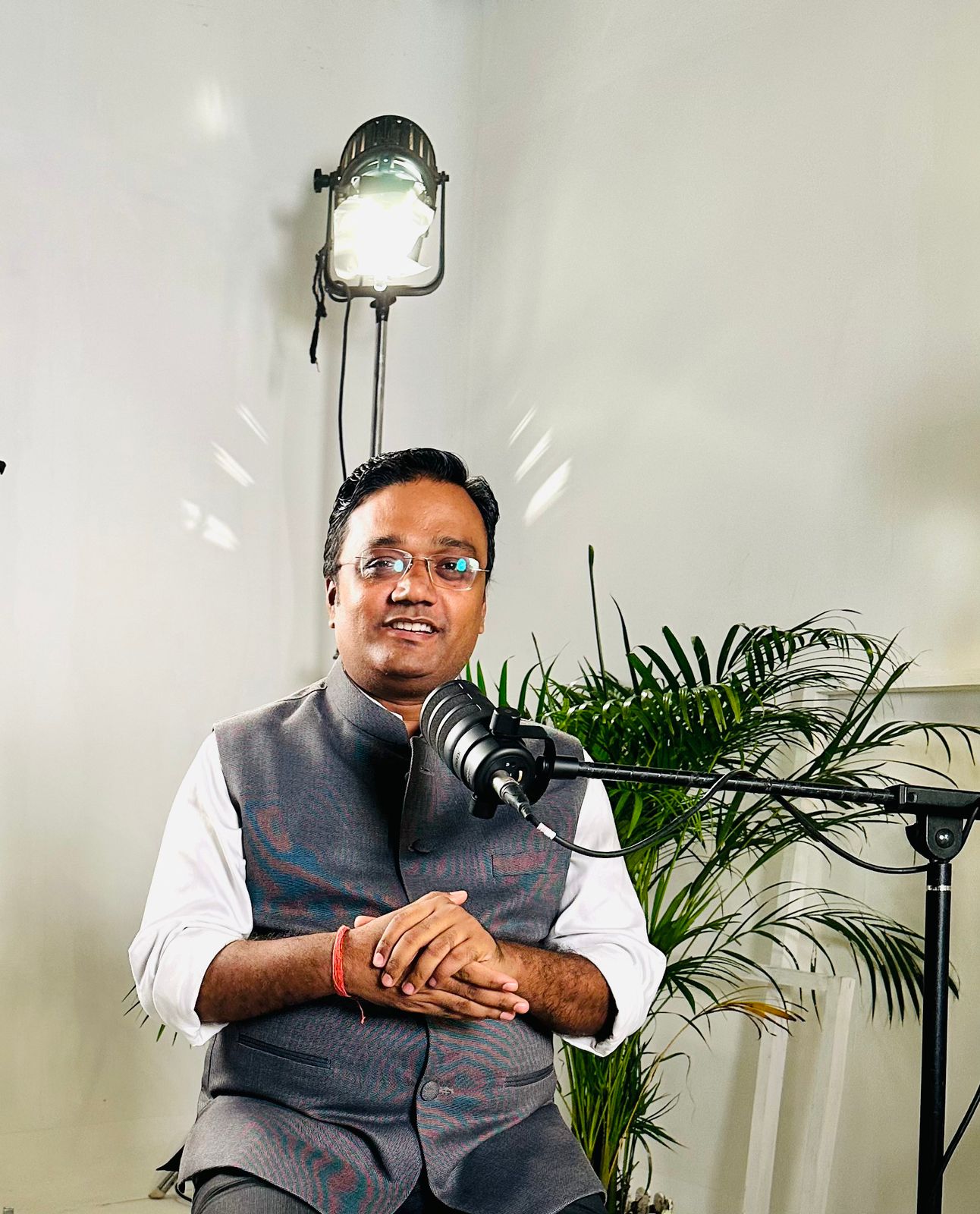 CA Manish Mishra