Search GrowthX Learning Content


Music License for Playing Songs in Cafes & Pubs

Delivering a unique and immersive customer experience has become vital for cafés, pubs, lounges, and bars. Among the various sensory elements that enhance the customer’s visit, music plays a powerful role. It builds ambiance, influences mood, and fosters an emotional connection between patrons and the brand. However, many business owners overlook a critical legal requirement the need to obtain a valid license before playing music in public. Playing copyrighted music in a commercial space without permission is a violation of intellectual property laws and may invite legal penalties, injunctions, and even criminal charges. This article provides a complete guide to music licensing in India, especially for cafés and pubs, explaining the relevant provisions under the Copyright Act, 1957, licensing types, regulatory bodies, compliance obligations, and recent legal updates.
In this article, CA Manish Mishra talks about Music License for Playing Songs in Cafes & Pubs.
The Legal Framework: Copyright Act, 1957
The right to control the usage of musical work lies with its creator or rights holder. In India, copyright in music is governed by the Copyright Act, 1957, which provides protection for three components of a musical work: (1) the lyrics, (2) the musical composition, and (3) the sound recording. The Act classifies music played in public as a “public performance”, and any commercial usage of such music without a valid license constitutes copyright infringement.
Public performance is defined as any act of communication of a work to the public, including playing music in commercial establishments such as cafés, hotels, restaurants, pubs, banquet halls, shopping malls, or events. Even background music played through Bluetooth speakers, televisions, streaming apps, or radios falls under this definition.
Section 30: Direct Licensing by Copyright Holders
Section 30 of the Copyright Act, 1957 allows the copyright owner to issue a license directly to another party to use the copyrighted work. This is commonly known as a direct license. For example, a composer or music label may individually license their songs to a café owner. Direct licensing is legally valid when the license is granted by the rightful owner. However, in a typical business setting, music playlists consist of works from multiple copyright holders. Thus, obtaining direct licenses from each individual rights holder becomes impractical.
While Section 30 provides flexibility to individual artists and composers, it is seldom used in the hospitality sector due to logistical constraints. Instead, business owners rely on copyright societies that manage the rights of multiple copyright holders and issue licenses collectively.
Section 33: Collective Licensing through Copyright Societies
Section 33 of the Act mandates that any organization that issues licenses on behalf of multiple rights holders must be registered as a copyright society. Only registered societies are legally permitted to carry out the business of collective licensing. These societies act as intermediaries between copyright owners and music users. They grant licenses, collect royalties, and distribute earnings to music creators. The law also states that no person or entity, other than a registered copyright society, may carry on the business of granting licenses for works they do not own.
This section ensures that music creators receive fair compensation when their works are used commercially and that users can legally play a broad catalog of music by obtaining a single license.
Registered Copyright Societies in India
There are currently two major copyright societies in India that cater to public performance licensing in the music industry:
-
Indian Performing Rights Society (IPRS): The Indian Performing Rights Society (IPRS) is a registered copyright society that manages and licenses rights related to musical compositions and lyrics. It represents songwriters, composers, and publishers, ensuring they receive royalties when their works are publicly performed or reproduced.
-
Recorded Music Performance Limited (RMPL): Recorded Music Performance Limited (RMPL) is a licensed copyright society in India that manages rights to sound recordings. It issues permissions for playing master tracks in public venues like cafés, pubs, and events, ensuring producers and record labels are compensated for their recorded works.
Cafés and pubs typically require licenses from both societies if they play commercially released music, as both composition and recording rights are involved. Each society has its own tariff plan depending on factors such as the size of the establishment, seating capacity, city tier, frequency of music use, and the type of performance (recorded vs. live).
The PPL Controversy: Legal Status of Non-Registered Entities
For years, Phonographic Performance Limited (PPL) functioned as a leading licensing body issuing licenses for sound recordings. However, it was not registered under Section 33 as a copyright society. Judicial pronouncements clarified that licenses issued by unregistered entities do not have legal validity under Indian copyright law. Consequently, businesses that relied on PPL licenses for public performance were considered non-compliant.
This landmark clarification emphasized the need for businesses to obtain licenses only from registered societies like IPRS and RMPL or through direct agreements with rights holders under Section 30. The shift reinforced the importance of transparency and legality in copyright enforcement and eliminated confusion in the licensing ecosystem.
License Application Process and Cost Factors
To apply for a music license, the café or pub must submit details such as the name of the business, type of establishment (café, bar, lounge), location, total seating or square footage, type of music used, and the intended frequency of use. Based on this information, the copyright society provides a quotation or tariff plan.
Fees typically vary by:
-
Tier of the city (metro vs. non-metro)
-
Size of the venue
-
Number of music zones or audio points
-
Nature of music (recorded vs. live)
-
Frequency of use (daily background music or occasional DJ nights)
For small establishments, the annual license fee may start from ₹2,000 to ₹10,000. Larger venues or those hosting live performances may be required to pay higher fees. Licenses are typically valid for one year and must be renewed annually.
Compliance Obligations and Documentation
Once the license is granted, businesses are required to keep copies of the license available on their premises. Representatives of the copyright society may conduct surprise audits or inspections to verify compliance. In some cases, the licensee must submit reports or playlists detailing the songs played, especially for live performances or digital streaming.
Non-compliance, such as using music without a valid license or playing content outside the scope of the license, may result in legal notices, court injunctions, seizure of equipment, and financial penalties. To avoid such risks, establishments must ensure that their licenses are current, properly displayed, and cover all the modes of music use.
Judicial Trends and Recent Updates
Recent court rulings in India have reinforced the necessity of obtaining valid licenses for public performance. In several high-profile cases, courts have passed restraining orders against hotels, restaurants, and banquet halls that played music without licenses. Courts have upheld the principle that commercial establishments must not profit from the work of artists without ensuring fair compensation.
Judicial interpretation has also clarified that only registered copyright societies under Section 33 have the authority to issue public performance licenses. This has significantly narrowed the field of eligible licensors and improved the legitimacy of licensing processes.
Music Licensing in the Digital Age
As digital platforms become integral to customer engagement, cafés and pubs are increasingly using online music playlists, live social media streams, and mobile apps to entertain or promote their brand. It’s important to note that music used in digital broadcasts or livestreams may attract separate licensing requirements. Establishments must check if their existing license covers digital use, or if they need an online streaming license in addition to the standard public performance license.
Conclusion
The use of music in cafés and pubs adds charm, ambiance, and emotional value to the customer experience. However, such use is legally permissible only when the appropriate music licenses are obtained from registered copyright societies or the rights holders directly. Sections 30 and 33 of the Copyright Act, 1957 form the legal foundation for music licensing in India, and recent legal developments have further emphasized strict compliance. Business owners who fail to obtain the necessary licenses risk legal action, reputational harm, and financial losses. On the other hand, proper licensing ensures that music creators are compensated fairly and that the business operates within the legal framework. As a responsible café or pub owner, investing in music licensing is not just about avoiding lawsuits it is about respecting art, creators, and the law.
- 27 Jun, 2025
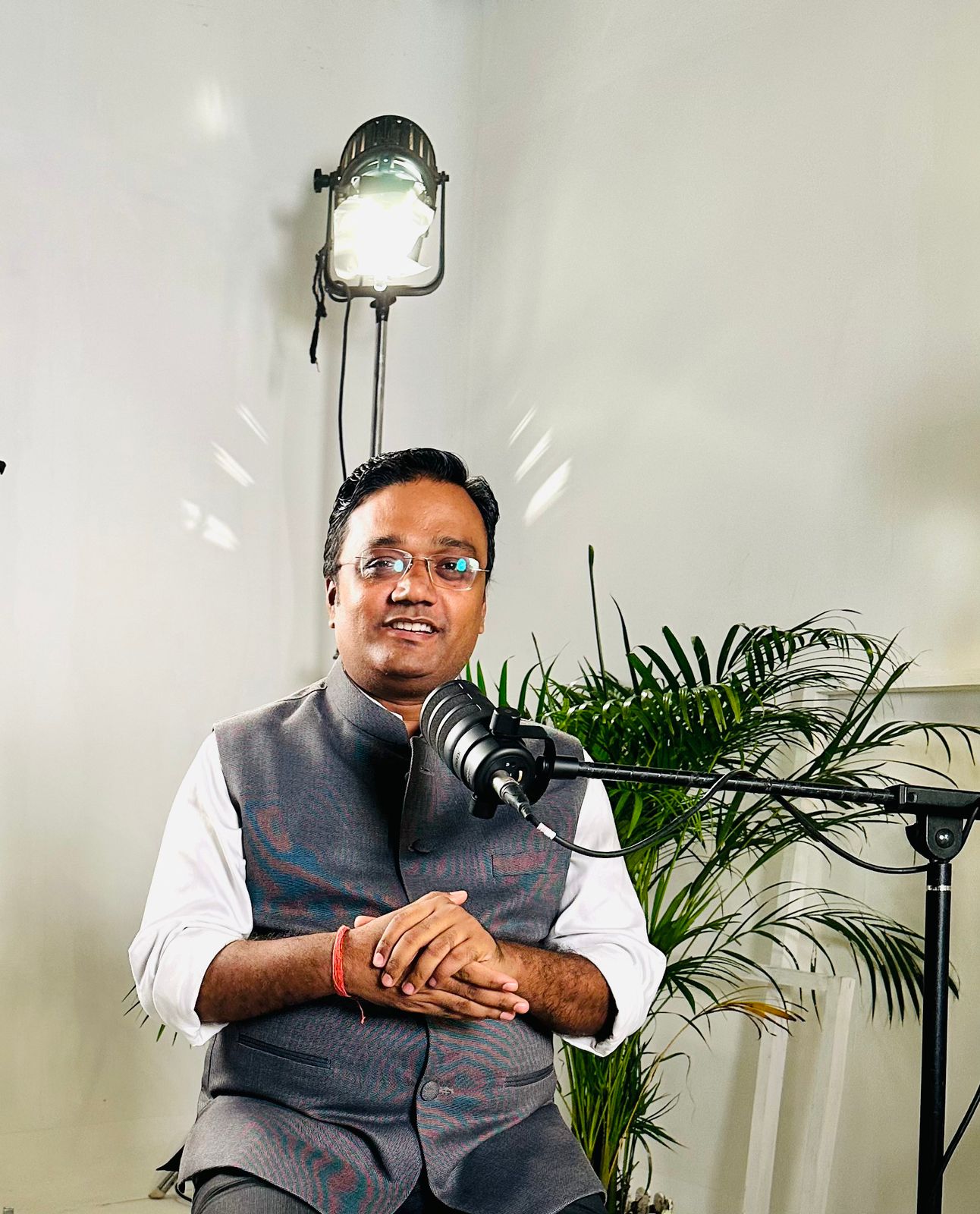 CA Manish Mishra
- Starting Up
CA Manish Mishra is the Co-Founder & CEO at GenZCFO. He is the most sought professional for providing virtual CFO services to startups and established businesses across diverse sectors, such as retail, manufacturing, food, and financial services with over 20 years of experience including strategic financial planning, regulatory compliance, fundraising and M&A.