Search GrowthX Learning Content


Music School or Dance Academy Registration as a Private Institution

India’s deep-rooted cultural heritage in music and dance has led to the rise of numerous private institutions offering structured training. Whether you're planning to start a music school or a dance academy, registering it as a private institution not only gives it legal recognition but also builds credibility with students and regulatory bodies.
This article is a comprehensive guide to registering a music or dance institution in India, covering the legal provisions, sections under relevant acts, licensing requirements, benefits, and frequently asked questions (FAQs).
Why Register a Music School or Dance Academy?
Many music and dance academies in India start informally, operating out of homes, rented halls, or cultural spaces. While this can work in the beginning, formal registration has several benefits:
-
Legal Recognition
-
Access to bank loans and grants
-
Tax compliance and GST registration
-
Eligibility for affiliation with boards like Akhil Bharatiya Gandharva Mahavidyalaya
-
Certification issuance to students
-
Better branding and public trust
Suitable Business Structures for Registration
Depending on your vision and growth plan, you can register your academy under any of the following legal entities:
- Sole Proprietorship
Ideal for small-scale academies managed by one person. You can operate under your name or a trade name and get a Shop & Establishment Certificate.
- Partnership Firm
If two or more individuals are jointly managing the academy, a registered or unregistered partnership can be created under the Partnership Act, 1932.
- Limited Liability Partnership (LLP)
Under the Limited Liability Partnership Act, 2008, an LLP provides the benefit of limited liability and a flexible structure.
- Private Limited Company
If you want to scale, get investors, or build a brand, this is ideal. Registered under the Companies Act, 2013, it offers legal credibility and structured governance.
- Society or Trust
If your academy is for charitable or non-profit purposes, consider registration under:
-
Societies Registration Act, 1860
-
Indian Trusts Act, 1882
This is common for cultural academies offering subsidized learning or working on art preservation.
Legal Provisions and Acts to Know
-
The Companies Act, 2013 – For registering as a private limited company
-
The LLP Act, 2008 – For forming an LLP
-
The Societies Registration Act, 1860 – For registering a society promoting music/dance
-
The Indian Trusts Act, 1882 – For trust-based academies
-
The Shops and Establishment Act – Mandatory for physical academies
-
The Goods and Services Tax Act, 2017 – For collecting and remitting GST if turnover exceeds ₹20 lakhs (or ₹10 lakhs in NE states)
Step-by-Step Registration Process for a Music/Dance Academy
Step 1: Decide the Legal Structure
Choose between Proprietorship, LLP, Private Limited, or Non-Profit (Society/Trust) depending on your vision, investment, and scale.
Step 2: Finalize a Unique Name
The name must be unique and not infringe on any existing trademark. Check availability on the MCA portal or through a trademark search.
Step 3: Register the Business
-
Sole Proprietorship: Apply for Shop and Establishment registration with your local municipal authority.
-
Partnership: Draft a partnership deed and register with the Registrar of Firms.
-
LLP: File Form FiLLiP on the MCA portal.
-
Private Limited: Apply through SPICe+ Form on the MCA portal.
-
Society: Submit documents to the Registrar of Societies.
-
Trust: Register with the local Sub-Registrar office.
Step 4: PAN, TAN, and Bank Account
Apply for a Permanent Account Number (PAN) and Tax Deduction and Collection Account Number (TAN). Open a current account in your academy's name.
Step 5: GST Registration
If annual revenue is expected to exceed ₹20 lakhs (₹10 lakhs in special category states), register under GST Act, 2017.
Step 6: Obtain Trade License and Shop Establishment Certificate
Get your Trade License and Shops & Establishment License from the local municipal body, which is mandatory for commercial operations.
Step 7: Apply for Affiliation (Optional)
If you want to offer certified courses, apply for affiliation to recognized boards like:
-
Prayag Sangeet Samiti
-
Akhil Bharatiya Gandharva Mahavidyalaya
-
Kalasangam
-
Rabindra Bharati University (in West Bengal)
This enables you to conduct exams and issue valid certificates to students.
Step 8: Copyrights and Trademark Protection
Protect your:
-
Logo and name (Trademark under the Trade Marks Act, 1999)
-
Original compositions or choreography (Copyright under the Copyright Act, 1957)
Documents Required for Registration
The required documents may vary by entity type, but commonly include:
-
Identity proof and address proof of founders
-
PAN card of the applicant and business
-
Address proof of the academy (rental agreement/ownership papers)
-
Passport-size photographs
-
MOA and AOA (for company)
-
Trust deed or society bye-laws
-
Affidavit for name usage
-
Utility bills (electricity/water)
-
Digital Signature Certificate (for company/LLP)
Government Norms and Compliances
-
Location Zoning Laws: Ensure the academy is in an area where commercial activities are allowed.
-
Fire Safety: Obtain a fire NOC if required.
-
Noise Pollution Compliance: Ensure soundproofing if you use instruments and speakers.
-
Employment Laws: Comply with labour laws if you hire instructors or admin staff.
-
Income Tax Return: File ITR regularly as per Income Tax Act, 1961.
-
Maintenance of Attendance and Fee Registers: For transparency and audit readiness.
Benefits of Registering a Music/Dance Academy
-
Access to Government Grants: Registered institutions may apply for cultural grants from the Ministry of Culture.
-
Enhanced Credibility: Builds trust among students, parents, and affiliating bodies.
-
Brand Building: Enables you to run ads, get listed on Google Business, and participate in competitions or collaborations.
-
Tax Benefits: Claim business expenses under the Income Tax Act.
Frequently Asked Questions (FAQs)
- Is it mandatory to register my music or dance academy?
Yes, if you're operating as a business or institution, you must register either as a sole proprietorship, LLP, company, society, or trust.
- Which is the best entity for a small music school?
For small setups, a sole proprietorship is simple and cost-effective. However, if you plan to expand or bring partners, consider an LLP or Private Limited Company.
- Can I register my academy as a non-profit organization?
Yes, if your aim is to promote art and culture without profit motives, you can register as a Trust or Society.
- What licenses do I need to run a music/dance school?
-
Trade License
-
Shops and Establishment Certificate
-
GST registration (if applicable)
-
Fire NOC (in some states)
-
Optional: Affiliation with recognized boards
- Can I issue certificates to my students?
Yes, if you’re affiliated with recognized boards like Prayag Sangeet Samiti or Gandharva Mahavidyalaya, you can conduct examinations and issue valid certificates.
- What is the government fee for registration?
-
Sole Proprietorship: ₹1,000–₹2,000 approx.
-
LLP: ₹5,000–₹8,000 approx.
-
Private Ltd: ₹7,000–₹10,000 approx.
-
Trust/Society: ₹3,000–₹5,000 approx. (Fees may vary by state and professional charges)
- Can I run online classes under the same registration?
Yes, after registering your business entity, you can offer offline and online classes, or even list your courses on platforms like Udemy or your own website.
- Is GST applicable on music/dance academy services?
Yes, if your annual revenue exceeds ₹20 lakhs, you must register under GST and charge 18% GST on services.
- Can I apply for government subsidies or funding?
Yes, registered institutions can apply for cultural grants and schemes from:
-
Ministry of Culture
-
State Art Boards
-
Zonal Cultural Centers
- Do I need a music degree to open a music academy?
No, a degree is not mandatory. However, relevant experience, certifications, or qualified instructors will enhance your academy’s reputation.
Final Thoughts
Starting a music school or dance academy is not just a creative journey—it’s also an entrepreneurial one. By formally registering your institution, you gain legal legitimacy, financial advantages, and long-term sustainability. Whether you aim to inspire the next generation of Bharatnatyam dancers or train classical musicians, a legally compliant and well-structured academy sets the foundation for a fulfilling venture.
If you're unsure about which legal structure suits your vision, it's best to consult a professional or a legal advisor. At GenZCFO, we guide artists and entrepreneurs through the registration maze to help them set up their creative ventures seamlessly and compliantly.
- 30 Apr, 2025
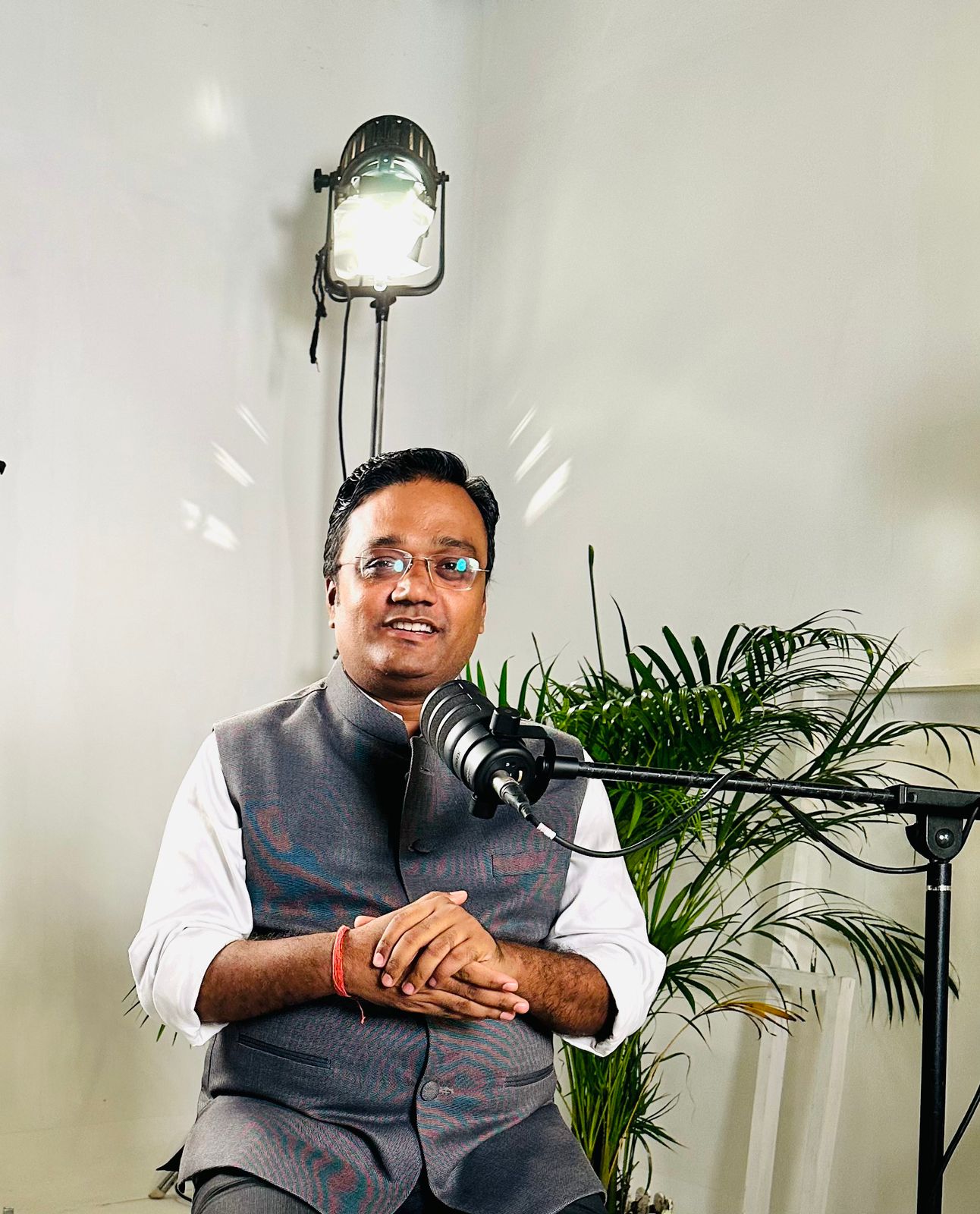 CA Manish Mishra
- CFO Services
CA Manish Mishra is the Co-Founder & CEO at GenZCFO. He is the most sought professional for providing virtual CFO services to startups and established businesses across diverse sectors, such as retail, manufacturing, food, and financial services with over 20 years of experience including strategic financial planning, regulatory compliance, fundraising and M&A.