Search GrowthX Learning Content


Principal Officer Requirements for Insurance Brokers

An insurance broker acts as an intermediary between clients and insurance companies. It helps clients understand their insurance needs, select suitable products, arrange policies and receive support during the policy period. Every insurance broking entity must have a Principal Officer to manage and supervise its insurance broking functions.
The Principal Officer holds an executive position and must meet the qualifications, training, examination and other requirements prescribed by the Insurance Regulatory and Development Authority of India (IRDAI). For businesses applying for an insurance broking licence, selecting a suitable Principal Officer is an important part of the registration process. IRDAI examines the proposed individual’s qualifications, experience and suitability while considering the application.
In this article, CA Manish Mishra talks about Principal Officer Requirements for Insurance Brokers.
Who Is a Principal Officer of an Insurance Broker?
A Principal Officer is an individual designated to perform the executive duties and responsibilities associated with an insurance or reinsurance broker. The Principal Officer may be the Chief Executive Officer, whole-time director, managing director, managing partner or managing trustee of the entity. The position may also be held by another individual who is appointed or engaged exclusively to carry out the functions of an insurance broker.
For example, an insurance broking company may designate its managing director as the Principal Officer if the individual meets the prescribed requirements. Alternatively, the company may engage another qualified individual exclusively to manage its insurance broking functions.
Legal Provisions Governing the Principal Officer
The requirements for a Principal Officer are primarily governed by the IRDAI (Insurance Brokers) Regulations, 2018. These regulations cover the registration and operation of insurance brokers, including the qualifications and suitability of the individuals responsible for managing their business. Regulation 8 provides that IRDAI considers whether the proposed Principal Officer has the required qualification, has undergone the prescribed training, has passed the examination and holds the necessary certificate.
The Authority also considers the individual’s suitability, taking into account their experience, preferably in the insurance sector. The detailed educational, training and examination requirements are set out in Schedule I, Form E. The applicant must also submit the Principal Officer’s particulars and fit-and-proper information in the applicable prescribed formats.
Importance of a Principal Officer for an Insurance Broker
The Principal Officer provides executive oversight of the insurance broking business. The position ensures that the entity has a designated individual who understands its operations and can supervise the activities carried out under its registration. The Principal Officer also supports regulatory compliance, supervises employees, coordinates with insurers and promotes fair treatment of clients.
Depending on the organisation’s structure, the individual may work with the board, compliance team, business teams and grievance-handling personnel. However, appointing a Principal Officer does not transfer all regulatory responsibility to that individual. The insurance broker, its board and other responsible officials continue to be accountable for compliance with applicable requirements.
Principal Officer for Different Categories of Insurance Brokers
The requirement to have an eligible Principal Officer applies to entities seeking registration as direct brokers, reinsurance brokers or composite brokers.
Direct Insurance Broker
A direct insurance broker assists clients in arranging insurance policies with insurers. Depending on its registration, a direct broker may operate in life insurance, general insurance or both. Its Principal Officer should be able to supervise the relevant insurance broking activities and support compliance with the applicable requirements. The individual should also understand the products and services offered by the broker.
Reinsurance Broker
A reinsurance broker arranges reinsurance for its clients with insurers or reinsurers, including parties located in India or abroad, as permitted under the regulations. Reinsurance arrangements can involve complex risks and transactions. Therefore, the proposed Principal Officer’s knowledge and experience should be suitable for the nature of the business.
Composite Broker
A composite broker is permitted to carry out both direct insurance broking and reinsurance broking activities. The Principal Officer of a composite broker should be capable of overseeing the different functions undertaken by the entity. The individual should also help ensure that the broker’s activities remain within the scope of its registration.
Educational Qualification Requirements for a Principal Officer
The proposed Principal Officer must possess at least one of the qualifications recognised under Schedule I, Form E of the IRDAI Insurance Brokers Regulations. The qualification may be an eligible degree or one of the specified professional qualifications.
Bachelor’s Degree
A candidate may satisfy the educational requirement with a bachelor’s degree in arts, science, social sciences, commerce, engineering or law. An equivalent qualification from an institution or university recognised by the Central Government or a State Government is also covered.
For example, an individual with a recognised Bachelor of Commerce or Bachelor of Laws degree may meet the educational requirement. However, holding a degree alone does not make the individual eligible for appointment. The candidate must also complete the applicable training, pass the prescribed examination and satisfy the other requirements.
Master of Business Administration
A Master of Business Administration, or an equivalent qualification from a recognised institution or university, is also an accepted qualification for the position. An MBA may provide knowledge of management, finance and business operations that is useful for an executive role. However, it does not automatically exempt the candidate from the insurance broker training or examination requirements.
Insurance and Risk Management Qualifications
The regulations recognise specified qualifications in insurance and risk management. These include associate or fellow qualifications from the Insurance Institute of India, the Institute of Risk Management and the Chartered Insurance Institute, London.
A postgraduate qualification of the Institute of Insurance and Risk Management, Hyderabad, is also included. Certain qualifications specifically listed in the regulations may allow the candidate to complete reduced training hours.
Chartered Accountancy Qualification
An associate or fellow of the Institute of Chartered Accountants of India may satisfy the prescribed educational qualification requirement. A chartered accountant’s knowledge of finance, reporting and business operations may be useful in managing an insurance broking entity. The candidate must nevertheless comply with the applicable training, examination, fit-and-proper and suitability requirements before being appointed as Principal Officer.
Company Secretary Qualification
An associate or fellow of the Institute of Company Secretaries of India is also included among the recognised qualifications. A company secretary may bring experience in corporate governance, regulatory compliance and corporate laws to the role.
The individual’s professional qualification should be checked against the exact regulatory requirement. The candidate must also fulfil the applicable insurance broker training and examination requirements.
Cost Accountancy, Actuarial and Other Qualifications
The regulations also recognise specified qualifications of the Institute of Cost and Works Accountants of India and the Institute of Actuaries of India. Other listed qualifications include the specified Chartered Financial Analyst qualification and Certified Associateship of the Indian Institute of Bankers.
IRDAI may specify additional qualifications from time to time. Therefore, the applicant should verify whether the candidate’s exact qualification and membership level are covered by the applicable regulations before proceeding.
Is Insurance Experience Mandatory for a Principal Officer?
Insurance experience is an important consideration when IRDAI assesses the suitability of a proposed Principal Officer. Regulation 8 states that the Authority considers the individual’s experience, preferably in the insurance sector. The regulations do not state a single fixed minimum number of years of insurance experience that applies to every Principal Officer.
However, IRDAI may consider whether the candidate’s professional background is suitable for the responsibilities of the position and the nature of the proposed broking business. Experience in insurance underwriting, broking, reinsurance, claims management, risk assessment, insurance operations or regulatory compliance may be relevant. A candidate proposed for a reinsurance or composite broker may need to demonstrate experience suited to the complexity of those activities.
Training Requirements for a Principal Officer
The proposed Principal Officer must complete the prescribed theoretical and practical training from an institution recognised by IRDAI. The training is designed to help the individual understand insurance broking operations and the responsibilities associated with the position.
General Training Requirement of 50 Hours
The general requirement under Schedule I, Form E is 50 hours of training. The training must be completed through an institution recognised by IRDAI for this purpose. The training is intended to provide knowledge relevant to insurance, broking practices and regulatory responsibilities. The candidate should confirm the current course structure, enrolment process and training arrangements with the recognised institution.
Reduced Training Requirement of 25 Hours
The regulations provide for 25 hours of training for candidates who hold certain specified professional qualifications. These include eligible qualifications from specified insurance, risk management, actuarial and other professional bodies listed in the reduced-training provision.
A candidate should not assume that every qualification accepted for the Principal Officer position automatically qualifies for reduced training. For example, an ordinary bachelor’s degree or MBA should not by itself be treated as sufficient for the 25-hour training requirement. The exact qualification must be checked against the applicable provision.
Examination and Certification Requirements
After completing the applicable training, the proposed Principal Officer must pass the prescribed examination. The examination may be conducted by the National Insurance Academy, Pune, or another examining body recognised by IRDAI. The examination is separate from the candidate’s educational qualification.
Therefore, an individual who holds a recognised degree or professional qualification must still pass the prescribed examination, unless an applicable provision specifically provides otherwise. For candidates covered by the reduced-training provision, Schedule I, Form E states that the examination must be passed within one year from the end of the training period. The training and examination certificates should be retained and submitted as part of the relevant application or appointment process.
Fit-and-Proper Requirements for a Principal Officer
The Principal Officer must satisfy the applicable fit-and-proper criteria. These requirements help IRDAI assess whether the individual is suitable to hold a position of responsibility in a regulated insurance broking entity. The applicant must submit the prescribed particulars and fit-and-proper declaration. The information disclosed may relate to the individual’s professional background, conduct and other matters covered by the relevant form.
The declaration should be completed accurately and supported by the required documents. If any matter needs to be disclosed, the broker should assess it under the applicable regulations and provide the necessary explanation to IRDAI. The Authority also considers whether the Principal Officer or other relevant officials have violated the applicable code of conduct.
Role and Responsibilities of a Principal Officer
The Principal Officer’s responsibilities depend on the category of broker, the size of the business and the duties assigned within the organisation. The role generally involves executive supervision of insurance broking activities and support for regulatory compliance.
Management of Insurance Broking Operations
The Principal Officer helps oversee the day-to-day operations of the broking entity. This may include coordinating business activities, supervising operational teams and reviewing whether the broker’s activities are consistent with its registration. The Principal Officer should understand the scope of the broker’s registration and help ensure that the business does not undertake activities outside that scope.
Supervision of Insurance Solicitation
Insurance solicitation involves approaching clients and assisting them in obtaining insurance coverage. The Principal Officer should help ensure that these activities are undertaken by appropriately qualified and authorised personnel. The individual should also promote accurate communication with clients. Clients should receive clear information about relevant policy features, coverage, exclusions and other material terms before making an insurance decision.
Regulatory Compliance
Insurance brokers must comply with the applicable IRDAI regulations, directions and conditions of registration. The Principal Officer plays an executive role in supporting the broker’s compliance systems and coordinating with the persons responsible for regulatory filings and internal controls.
Depending on the applicable requirement, certain submissions or declarations may need to be signed by the Principal Officer or another designated official. The broker should maintain a clear internal process for identifying and completing such requirements.
Protection of Client Interests
An insurance broker’s services affect clients who rely on its assistance when selecting and maintaining insurance policies. The Principal Officer should promote practices that support fair treatment, appropriate disclosures and responsible handling of client information.
The Principal Officer should also ensure that the organisation has processes for communicating material policy terms and addressing client concerns. This helps clients understand the insurance products being offered and make informed decisions.
Grievance Handling
Clients may raise complaints about the broker’s service, communication, documentation or other matters. The Principal Officer may supervise the implementation of grievance-handling procedures and coordinate with the team responsible for responding to complaints.
An effective system should record complaints, direct them to the appropriate personnel and support timely responses in accordance with applicable requirements. Recurring complaints can also help the broker identify areas where its processes need improvement.
Employee Supervision and Training
The Principal Officer should work with the management team to ensure that employees understand their duties and receive training appropriate to their roles. This is particularly relevant for personnel involved in insurance solicitation, client servicing and compliance.
The broker should also maintain records of qualified personnel and monitor whether individuals carrying out regulated functions meet the applicable qualification and certification requirements.
Coordination with Insurers and Other Stakeholders
Insurance brokers interact with insurers, reinsurers, clients, service providers and regulators. The Principal Officer may supervise these relationships and help ensure that communications and arrangements are consistent with the broker’s responsibilities. The individual may also coordinate internally when regulatory queries, operational concerns or client issues require a response from more than one department.
Difference Between a Principal Officer and a Broker Qualified Person
A Principal Officer and a Broker Qualified Person, commonly called a BQP, perform different functions within an insurance broking entity. Although both must meet applicable qualification requirements, their positions should not be treated as interchangeable for every purpose. The Principal Officer holds an executive role and is responsible for overseeing the broker’s operations and supporting compliance. A BQP is a qualified individual who performs permitted broking functions, including solicitation and procurement of insurance business.
Regulation 8 refers to a minimum of two broker qualified persons in the applicant’s employment and also addresses the requirement for a BQP at branch offices. The regulations contain further provisions for brokers intending to carry on both life and general insurance business. An applicant should therefore separately review its Principal Officer appointment and BQP staffing requirements.
Documents Required for a Principal Officer
The documents required for a Principal Officer may vary depending on whether the individual is proposed during a fresh registration application or appointed as a replacement. The broker should check the applicable submission procedure and any additional documents requested by IRDAI.
Educational Qualification Documents
The broker should obtain copies of the candidate’s degree certificates or professional qualification records. These documents establish whether the individual meets the educational qualification prescribed under Schedule I, Form E. Where the candidate relies on a professional membership, the broker should also verify that the membership level matches the requirement mentioned in the regulations.
Training and Examination Certificates
The proposed Principal Officer should provide evidence of completing the applicable training from a recognised institution. The candidate should also provide the certificate or other prescribed evidence showing that they have passed the required examination.
These records are important because educational qualifications, training and examination are separate requirements. The broker should check that the certificates contain accurate details before submitting them.
Curriculum Vitae and Experience Records
The candidate’s curriculum vitae should explain their educational background, employment history and relevant professional experience. Experience records may help demonstrate the candidate’s suitability for the proposed executive role. The broker should ensure that the information in the curriculum vitae is consistent with the details provided in regulatory forms and supporting documents.
Appointment and Internal Approval Documents
The applicant may need to maintain or submit documents showing the proposed individual’s appointment or designation as Principal Officer. Depending on the entity and the nature of the application, these may include a board resolution or other relevant internal approval. Where the appointment is subject to regulatory approval, the internal documentation should reflect the applicable position accurately.
Prescribed Particulars and Fit-and-Proper Declaration
The applicant must submit the Principal Officer’s particulars and fit-and-proper information in the applicable prescribed formats. For a fresh application, the regulations refer to the information under Schedule I, Forms F and G.
The candidate should review the questions carefully and provide complete and accurate disclosures. IRDAI may also request further clarification or supporting documents while examining the application.
Process for Appointing a Principal Officer
The appointment process begins with identifying an individual who can fulfil the executive responsibilities of the position. The broker should consider the nature of its proposed business, the candidate’s professional background and the qualifications prescribed by IRDAI.
Step 1: Identify a Suitable Candidate
The broker should select a candidate who can supervise insurance broking operations and support regulatory compliance. The individual’s experience should be considered in relation to the category and complexity of the proposed business.
For example, a broker planning to conduct reinsurance activities should consider whether the proposed Principal Officer has a suitable understanding of reinsurance transactions and related operations.
Step 2: Verify Educational Qualifications
Once a candidate has been identified, the broker should verify their degree or professional qualification against Schedule I, Form E. The broker should also check whether the institution is recognised and whether the candidate holds the required professional membership level, where relevant. This verification should be completed before the application is filed so that any qualification-related issue can be identified early.
Step 3: Complete Training and Pass the Examination
The candidate must complete the applicable training from a recognised institution and pass the prescribed examination. The broker should determine whether the candidate is required to complete 50 hours or qualifies for the reduced 25-hour training. The resulting certificates should be reviewed and retained as part of the Principal Officer’s records.
Step 4: Prepare Declarations and Supporting Documents
The candidate should complete the prescribed particulars and fit-and-proper declaration. The broker should collect the candidate’s curriculum vitae, qualification records, training certificate, examination certificate and other applicable documents. Before submission, the broker should review the documents for consistency. Differences in names, dates, qualifications or employment information may lead to clarification requests.
Step 5: Submit the Application to IRDAI
For a fresh insurance broker registration, the applicant submits the proposed Principal Officer’s details as part of its application. IRDAI examines the information and may request additional details or clarifications. The applicant should respond to regulatory queries within the applicable time and ensure that the information provided is complete and accurate.
Step 6: Maintain Records After Appointment
After the appointment, the broker should maintain updated records relating to the Principal Officer’s designation, qualifications and regulatory communications. The broker should also review any ongoing requirements that apply to the individual or the entity. Maintaining proper records helps the broker respond to regulatory requests and supports continuity if there is a future change in management.
Change or Resignation of the Principal Officer
The resignation or departure of a Principal Officer is a significant event for an insurance broker because the individual holds a designated executive position. The broker should address the vacancy promptly and review the applicable regulatory requirements for appointing a replacement. The entity may need to prepare internal records concerning the outgoing Principal Officer and the proposed replacement.
These may include the resignation letter, relevant board or management resolution, curriculum vitae, qualification certificates, examination certificate and prescribed declarations of the proposed individual. The broker should verify the current procedure for obtaining approval or providing intimation to IRDAI, as applicable, before treating the replacement as effective for regulatory purposes. Current formats and requirements should also be checked before submission.
Common Mistakes While Appointing a Principal Officer
-
Assuming That a Degree Is Sufficient: A recognised degree may satisfy the educational requirement, but it does not automatically satisfy all conditions for appointment. The proposed Principal Officer must also complete the applicable training, pass the examination and meet the fit-and-proper and suitability requirements.
-
Assuming That Every Professional Is Eligible for Reduced Training: The 25-hour training requirement applies only to candidates covered by the specified provision. The broker should verify the exact qualification and membership level instead of assuming that all professionals or graduates are eligible for reduced training.
-
Ignoring Experience and Suitability: The absence of a universal fixed number of years of insurance experience does not mean that experience is unimportant. IRDAI considers whether the proposed individual is suitable for the role, taking into account their experience, preferably in the insurance sector.
-
Providing Incomplete or Inconsistent Information: Incomplete declarations, missing certificates or inconsistencies in the candidate’s documents can lead to regulatory queries and delays. The broker should carefully review all information before submission and promptly address any clarification requested by IRDAI.
-
Confusing the Principal Officer Requirement with BQP Requirements: The Principal Officer and Broker Qualified Persons have different roles. A broker should not assume that appointing a Principal Officer automatically satisfies all requirements relating to qualified personnel and branch staffing.
-
Delaying the Appointment of a Replacement: A vacancy in the Principal Officer position can affect executive supervision and compliance. When the existing individual leaves, the broker should promptly review its obligations and initiate the process for appointing an eligible replacement.
Conclusion
The Principal Officer is an important executive of an insurance broking entity. The individual helps supervise the broker’s activities, supports regulatory compliance and promotes the protection of client interests. A proposed Principal Officer must possess a recognised educational qualification, complete the applicable training, pass the prescribed examination and satisfy the fit-and-proper and suitability requirements. The broker should also ensure that the individual’s experience is appropriate for the nature of its business.
Businesses planning to apply for an insurance broking licence should identify and assess their proposed Principal Officer at an early stage. Proper verification of qualifications and timely preparation of documents can help make the registration process smoother.
Frequently Asked Questions (FAQ’s)
Q1. Who can become a Principal Officer of an insurance broker?
Ans. A Chief Executive Officer, whole-time director, managing director, managing partner or managing trustee may be designated as Principal Officer. Another individual exclusively engaged to carry out insurance broking functions may also be appointed, subject to the applicable requirements.
Q2. Can a graduate become a Principal Officer?
Ans. Yes. A person with a recognised bachelor’s degree in a prescribed field may satisfy the educational requirement. The individual must also meet the applicable training, examination, fit-and-proper and suitability requirements.
Q3. How many hours of training are required?
Ans. The general requirement is 50 hours of prescribed training. Candidates holding certain specified professional qualifications may be eligible for 25 hours of training.
Q4. Is an examination compulsory for a Principal Officer?
Ans. Yes. The proposed Principal Officer must pass the prescribed examination conducted by the National Insurance Academy or another examining body recognised by IRDAI.
Q5. Is insurance experience compulsory?
Ans. IRDAI considers the candidate’s experience, preferably in the insurance sector, when assessing suitability. The regulations do not prescribe one fixed minimum experience period for every candidate.
Q6. Can a chartered accountant become a Principal Officer?
Ans. An associate or fellow of the Institute of Chartered Accountants of India may satisfy the educational qualification requirement. The individual must also fulfil the remaining applicable conditions.
Q7. Can a company secretary become a Principal Officer?
Ans. An associate or fellow of the Institute of Company Secretaries of India is among the recognised professional qualifications. The candidate must also meet the training, examination and other applicable requirements.
Q8. Is a Principal Officer the same as a Broker Qualified Person?
Ans. No. A Principal Officer holds an executive role, while a Broker Qualified Person performs specified insurance broking functions. The broker must separately assess the requirements applicable to each role.
Q9. Can a Principal Officer work for a reinsurance broker?
Ans. Yes. An eligible individual may serve as Principal Officer of a reinsurance broker, subject to the applicable requirements and IRDAI’s assessment of the person’s suitability.
Q10. What happens if the Principal Officer resigns?
Ans. The broker should promptly review the applicable IRDAI procedure and arrange an eligible replacement. It should verify the current approval, intimation and documentation requirements before completing the change.
- 27 Oct, 2026
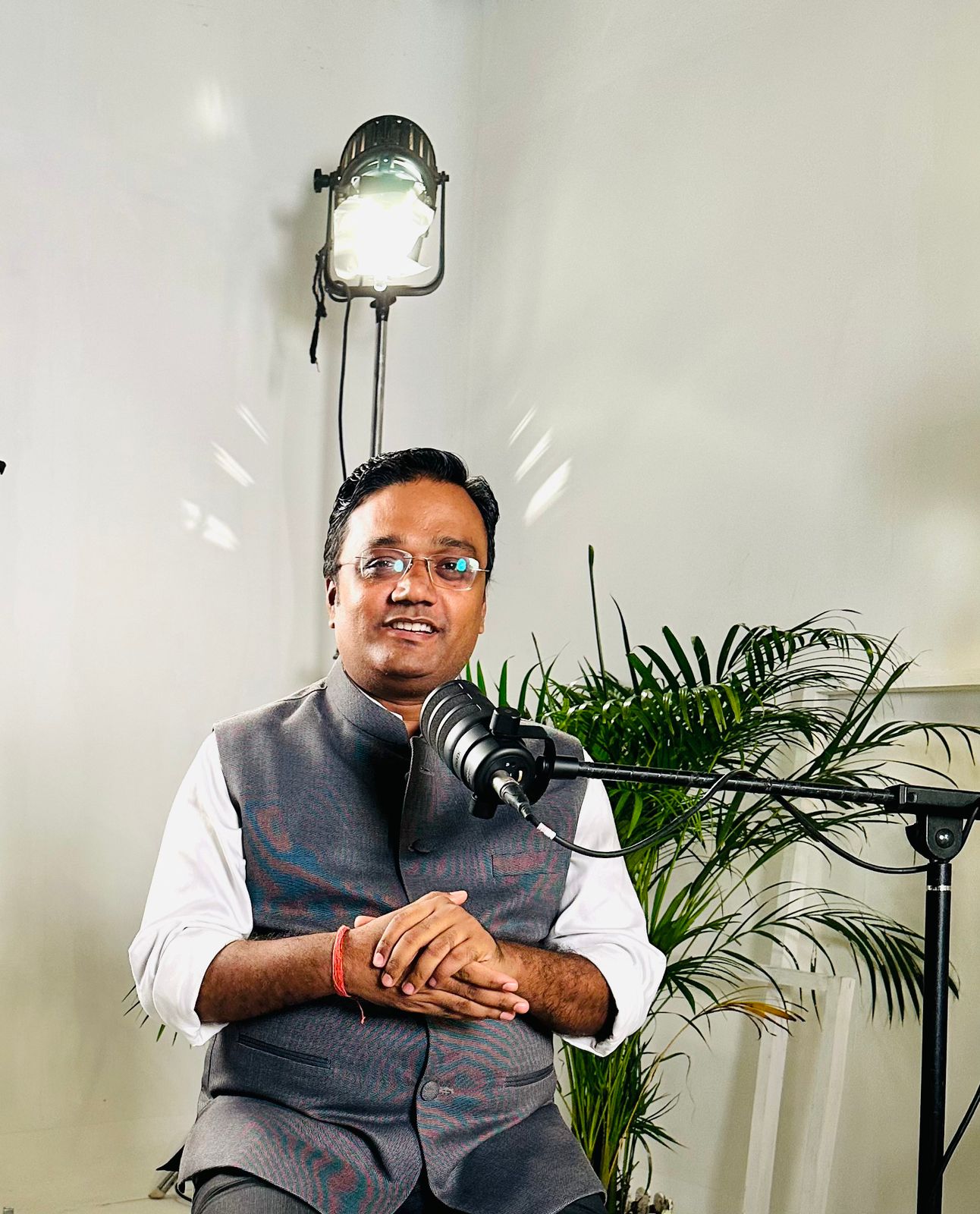 CA Manish Mishra
- Easing Finance
CA Manish Mishra is the Co-Founder & CEO at GenZCFO. He is the most sought professional for providing virtual CFO services to startups and established businesses across diverse sectors, such as retail, manufacturing, food, and financial services with over 20 years of experience including strategic financial planning, regulatory compliance, fundraising and M&A.