Search GrowthX Learning Content


Restaurant License and Food Business Registration in Delhi

Opening a restaurant in Delhi, one of India’s most dynamic culinary hubs, is an exciting venture. However, a critical layer of legality lies beyond the passion for food and hospitality—obtaining the required licenses and registrations to run a food business. Whether you're planning a fine-dining restaurant, a takeaway joint, or a cloud kitchen, compliance with the law is a must.
This article explains the process of obtaining a Restaurant License and Food Business Registration in Delhi, including the provisions, relevant sections, benefits, and answers to frequently asked questions.
What is Food Business Registration?
Food Business Registration, under the Food Safety and Standards Act, 2006, is a mandatory legal requirement for anyone intending to start a food-related business in India. This includes manufacturers, transporters, distributors, retailers, and restaurant operators. In Delhi, the Food Safety and Standards Authority of India (FSSAI), under the Ministry of Health and Family Welfare, is the regulatory body responsible for ensuring food safety and compliance.
Depending on the scale and nature of your operations, you may need to apply for either:
-
FSSAI Registration (for small food businesses with annual turnover up to ₹12 lakh), or
-
FSSAI License (for medium to large food businesses with turnover above ₹12 lakh).
Key Licenses Required for a Restaurant in Delhi
To legally operate a restaurant in Delhi, you typically need to secure the following licenses and approvals:
- FSSAI License
This is the most essential license under the Food Safety and Standards Act, 2006. The relevant sections under this Act include:
-
Section 31: Mandates licensing and registration for all food business operators.
-
Section 3(zk): Defines the "Food Business Operator".
-
Section 26: Holds the operator responsible for ensuring that the food served is safe.
Restaurants need either:
-
FSSAI Basic Registration (turnover up to ₹12 lakh),
-
FSSAI State License (turnover between ₹12 lakh and ₹20 crore),
-
FSSAI Central License (turnover above ₹20 crore or operations in multiple states).
- Health Trade License
Issued by the Municipal Corporation of Delhi (MCD), this license ensures the hygiene standards of the premises. It is mandatory under the Delhi Municipal Corporation Act, 1957.
- Fire Safety NOC
For restaurants with seating capacity above 50, the Delhi Fire Service requires a Fire Safety Certificate to confirm fire safety compliance.
- Pollution Control NOC
Restaurants that generate waste (like oil and smoke from cooking) must obtain a Certificate of Consent from the Delhi Pollution Control Committee (DPCC).
- Shop and Establishment Registration
Under the Delhi Shops and Establishment Act, 1954, every commercial establishment must register itself within 30 days of commencing business.
- Liquor License (if applicable)
Restaurants intending to serve alcohol must apply for a license from the Excise Department of Delhi.
- GST Registration
Mandatory if your restaurant's aggregate turnover exceeds ₹20 lakh annually. It enables you to collect and pay Goods and Services Tax.
Procedure for Food Business Registration in Delhi
Step 1: Identify the Type of FSSAI Registration
Depending on your restaurant’s turnover and size, determine whether you need FSSAI Basic Registration, State License, or Central License.
Step 2: Documentation
Prepare the required documents, which include:
-
Form B (signed and completed)
-
Identity proof and address proof of the owner
-
Partnership deed or incorporation certificate
-
Food safety management plan
-
Restaurant layout plan and equipment list
-
Water quality report
-
NOC from the landlord (if rented)
Step 3: Application Filing
Submit your application online on the FSSAI FoSCoS portal along with the scanned documents.
Step 4: Inspection (if applicable)
For State or Central License, the food safety officer may inspect the premises.
Step 5: Approval
If everything is in order, your FSSAI Registration/License will be issued within 7–30 working days.
Benefits of FSSAI License for Restaurants
-
Legal Compliance: Avoid penalties and ensure smooth operations.
-
Consumer Trust: Displaying an FSSAI license builds trust and reflects hygiene and safety.
-
Brand Reputation: Being certified by a national regulatory body enhances credibility.
-
Business Expansion: Required for listing on Swiggy, Zomato, or expanding across India.
-
Funding and Franchise: Investors prefer businesses with regulatory compliance.
Common Penalties for Non-Compliance
Under Section 63 of the FSS Act, any person operating without a valid FSSAI license may be punished with imprisonment up to six months and a fine up to ₹5 lakh.
FAQs on Restaurant License and Food Business Registration in Delhi
- Is FSSAI registration mandatory for home-based cloud kitchens?
Yes, even home kitchens selling food online must be registered with FSSAI.
- How long is the FSSAI license valid?
It is valid for 1 to 5 years, depending on the term chosen during registration.
- What is the fee for FSSAI Registration?
Basic Registration fee is ₹100/year. State License fee ranges between ₹2,000 to ₹5,000/year. Central License fee is ₹7,500/year.
- Can I apply for multiple licenses for different branches in Delhi?
Yes, every food outlet must have a separate license based on its location.
- Can I operate my restaurant before receiving the FSSAI license?
No, operating without a valid license is a punishable offence under the FSS Act.
- Is there a physical inspection before granting an FSSAI license?
For State and Central Licenses, a food inspector may inspect your premises.
- How do I renew my FSSAI license?
Renew your license before expiry via the FoSCoS portal. A late fee of ₹100/day applies post-expiry.
- Is GST required even if I sell only through delivery apps like Zomato?
Yes, GST registration is mandatory for food businesses operating online.
- What if I serve only beverages and no food items?
You still need FSSAI registration, as beverages fall under food safety regulations.
- Do I need both Health Trade License and FSSAI License?
Yes, both are mandatory as they serve different regulatory purposes.
Final Thoughts
Getting the right licenses and registrations is not just a legal formality—it reflects your restaurant’s commitment to safety, quality, and professionalism. With Delhi’s competitive food industry, FSSAI licensing and regulatory approvals are essential to stand out and grow confidently. Whether you're starting a cozy cafe in Hauz Khas or a multi-cuisine outlet in Connaught Place, make compliance your first recipe for success.
If you need help with end-to-end registration or compliance services for your restaurant in Delhi, we at GenZCFO offer expert legal support to make your food business journey smoother.
- 15 Apr, 2025
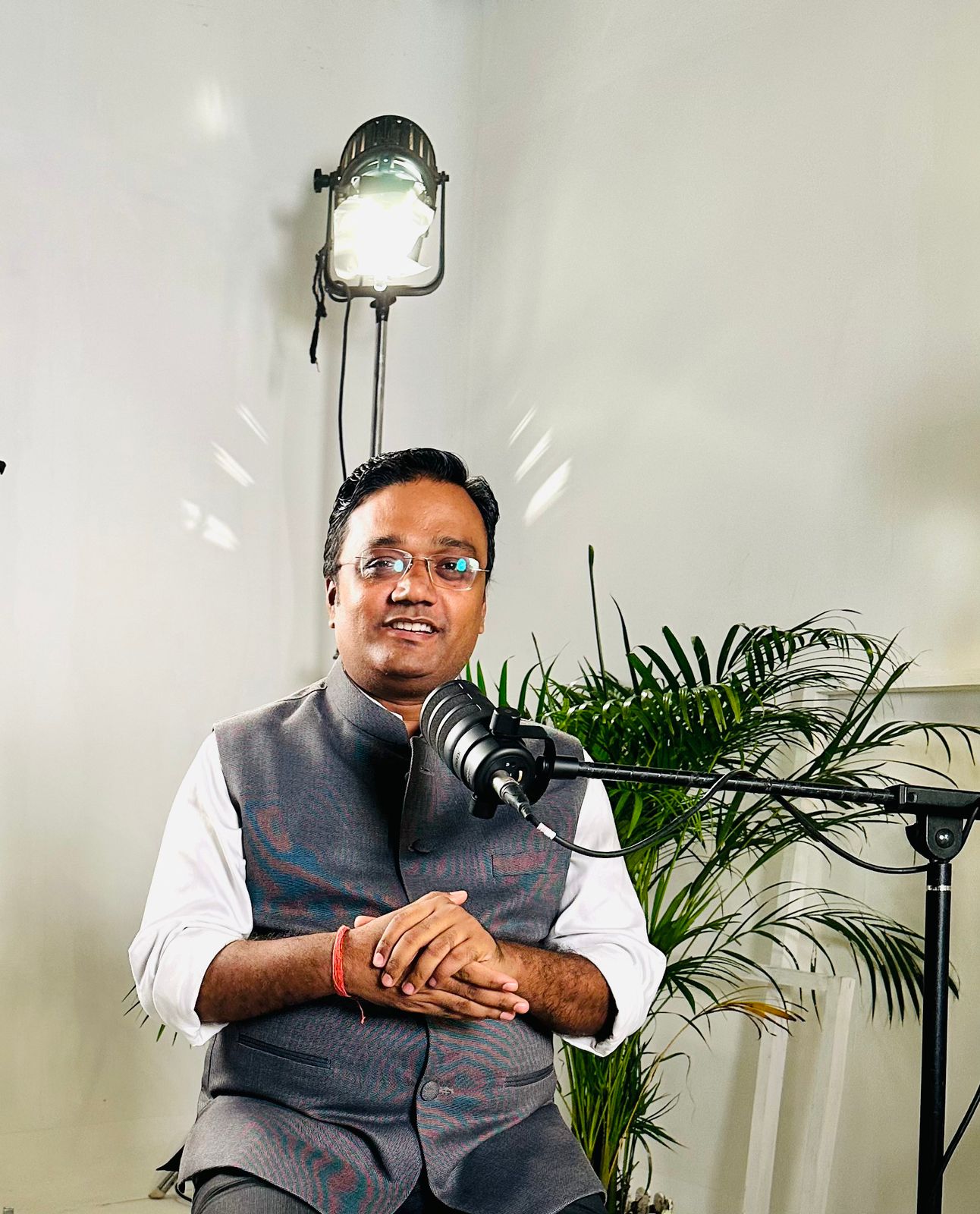 CA Manish Mishra
- CFO Services
CA Manish Mishra is the Co-Founder & CEO at GenZCFO. He is the most sought professional for providing virtual CFO services to startups and established businesses across diverse sectors, such as retail, manufacturing, food, and financial services with over 20 years of experience including strategic financial planning, regulatory compliance, fundraising and M&A.