Search GrowthX Learning Content


Share Buyback: Why Companies Repurchase Shares

In the corporate finance, share buybacks, also known as share repurchases, have emerged as a significant strategy employed by companies in India. This practice involves a company purchasing its own shares from the existing shareholders, effectively reducing the number of outstanding shares in the market. Such maneuvers are often indicative of a company's confidence in its financial health and its commitment to enhancing shareholder value.
In this article, CA Manish Mishra talks about Share Buyback ,Why Companies Repurchase Shares?ew
Know about Share Buybacks
A share buyback occurs when a company decides to reacquire its own shares from the marketplace. This can be executed through various methods, including open market purchases or tender offers. The primary objective is to reduce the number of shares available in the open market, which can lead to an increase in the value of the remaining shares. For instance, if a company believes its shares are undervalued, it may opt for a buyback to signal its confidence to the market and potentially boost the share price.
Reasons for Share Buybacks in India
In India undertake share buybacks for several reasons:
-
Enhancing Earnings Per Share (EPS): By reducing the number of outstanding shares, a company's EPS can increase, making the stock more attractive to investors.
-
Signaling Confidence: A buyback can indicate that the company believes its shares are undervalued, thereby signaling confidence in its future prospects.
-
Efficient Utilization of Excess Cash: Companies with surplus cash and limited investment opportunities may opt for buybacks as a means to return value to shareholders.
-
Preventing Hostile Takeovers: Reducing the number of available shares can make it more challenging for an outside entity to acquire a controlling stake, thus safeguarding the company's autonomy.
-
Tax Efficiency: Historically, buybacks have been a tax-efficient method to return cash to shareholders compared to dividends, though tax implications can vary based on prevailing laws.
Regulatory Framework Governing Share Buybacks in India
In India, share buybacks are governed by a complete legal framework to transparency and protect investor interests. The key regulations include:
-
The Companies Act, 2013:
-
Section 68: Empowers companies to purchase their own shares or other specified securities, subject to certain conditions and limits.
-
Section 69: Mandates the transfer of a sum equal to the nominal value of the bought-back shares to the Capital Redemption Reserve account.
-
Section 70: Specifies the conditions under which a company is prohibited from buying back its shares, such as defaulting on repayments or interest payments to creditors.
-
-
Securities and Exchange Board of India (SEBI) Regulations:
-
SEBI (Buy-Back of Securities) Regulations, 2018: These regulations outline the procedures, disclosures, and compliance requirements for listed companies undertaking buybacks.
-
Amendments and Guidelines: SEBI periodically updates these regulations to address emerging market trends and protect investor interests. For instance, recent amendments have introduced stricter timelines and utilization requirements for buybacks conducted through the open market.
-
Methods of Share Buyback
Indian companies can undertake share buybacks through various methods, each with its own set of regulatory requirements:
-
Open Market Purchase: The company buys back its shares directly from the open market over an extended period. This method provides flexibility but is subject to certain limits and conditions.
-
Tender Offer: The company makes an offer to all shareholders to purchase a specified number of shares at a predetermined price, usually at a premium to the market price. This method is equitable treatment of all shareholders.
-
Book-Building Process: An alternative mechanism where the buyback price is determined based on bids received from shareholders. This method is less common but provides a market-driven pricing mechanism.
Impact of Share Buybacks on Shareholders and the Company
Share buybacks can have several implications for both the company and its shareholders:
-
For Shareholders:
-
Increased Share Value: A reduction in the number of outstanding shares can lead to an increase in the value of remaining shares.
-
Tax Considerations: Depending on the prevailing tax laws, shareholders may benefit from capital gains taxation, which could be more favorable than dividend taxation.
-
Liquidity Opportunity: Buybacks provide shareholders with an opportunity to liquidate their holdings, especially during tender offers.
-
-
For the Company:
-
Optimized Capital Structure: Buybacks can help in adjusting the company's capital structure by reducing equity and potentially increasing debt ratios.
-
Signaling Effect: A buyback can signal the management's confidence in the company's prospects, potentially boosting investor sentiment.
-
Earnings Management: By reducing the number of shares, companies can enhance financial metrics like EPS, which may positively influence stock prices.
-
Recent Trends and Developments in India
In recent years, several Indian companies have undertaken significant buyback programs, reflecting a trend towards utilizing buybacks as a strategic financial tool. For instance, technology firms with substantial cash reserves have opted for buybacks to return value to shareholders amidst limited alternative investment opportunities.
Additionally, regulatory developments have aimed at refining the buyback process. SEBI's amendments to the buyback regulations, such as increasing the minimum utilization of funds for open market buybacks and reducing the timeline for completion, are steps towards enhancing the efficiency and transparency of buybacks.
Frequently Asked Questions (FAQs)
- What is a share buyback?
A share buyback, also known as a share repurchase, is when a company purchases its own shares from existing shareholders. This reduces the number of shares in circulation, often increasing the value of the remaining shares and enhancing shareholder value.
- Which sections of Indian law govern share buybacks?
In India, share buybacks are mainly governed by:
- Section 68 of the Companies Act, 2013, which outlines conditions and limits for buybacks.
- Section 69, mandating the transfer of funds to the Capital Redemption Reserve Account.
- Section 70, listing restrictions on companies from executing buybacks under certain circumstances.
- SEBI (Buy-Back of Securities) Regulations, 2018, which apply to listed companies and detail the procedure, disclosures, and compliance.
- What are the different methods of share buybacks in India?
Companies in India can buy back shares using:
- Open Market Purchases: Buying shares directly from the stock market.
- Tender Offer: Inviting shareholders to sell a specified number of shares at a fixed price.
- Book-Building Process: Determining the price based on bids from shareholders.
- Why do companies prefer share buybacks over dividends?
Buybacks can be a more tax-efficient method of returning value to shareholders, as they might incur lower capital gains tax compared to dividend distribution tax (though tax laws have evolved in recent years). Buybacks also help improve financial ratios like Earnings Per Share (EPS).
- What are the tax implications for shareholders in India during a buyback?
According to Section 115QA of the Income Tax Act, companies are liable to pay a buyback tax on the distributed income from buybacks, eliminating the tax burden for shareholders. However, in the case of listed companies, tax implications can vary depending on market price and acquisition cost.
- Are there restrictions on companies conducting share buybacks?
Yes, under Section 70 of the Companies Act, companies cannot buy back shares if they:
- Have defaulted in repayment of deposits, interest, or dividends.
- Have not complied with specific financial obligations.
- If the company has not passed a special resolution (where applicable).
Inference
Share buybacks are a strategic financial tool for companies in India to optimize capital structure, signal confidence to the market, and enhance shareholder value. Governed by the Companies Act, 2013 and SEBI regulations, these transactions ensure transparency and protect shareholder interests. For investors, understanding the regulatory framework and financial implications is essential to making informed decisions during buybacks.
- 11 Mar, 2025
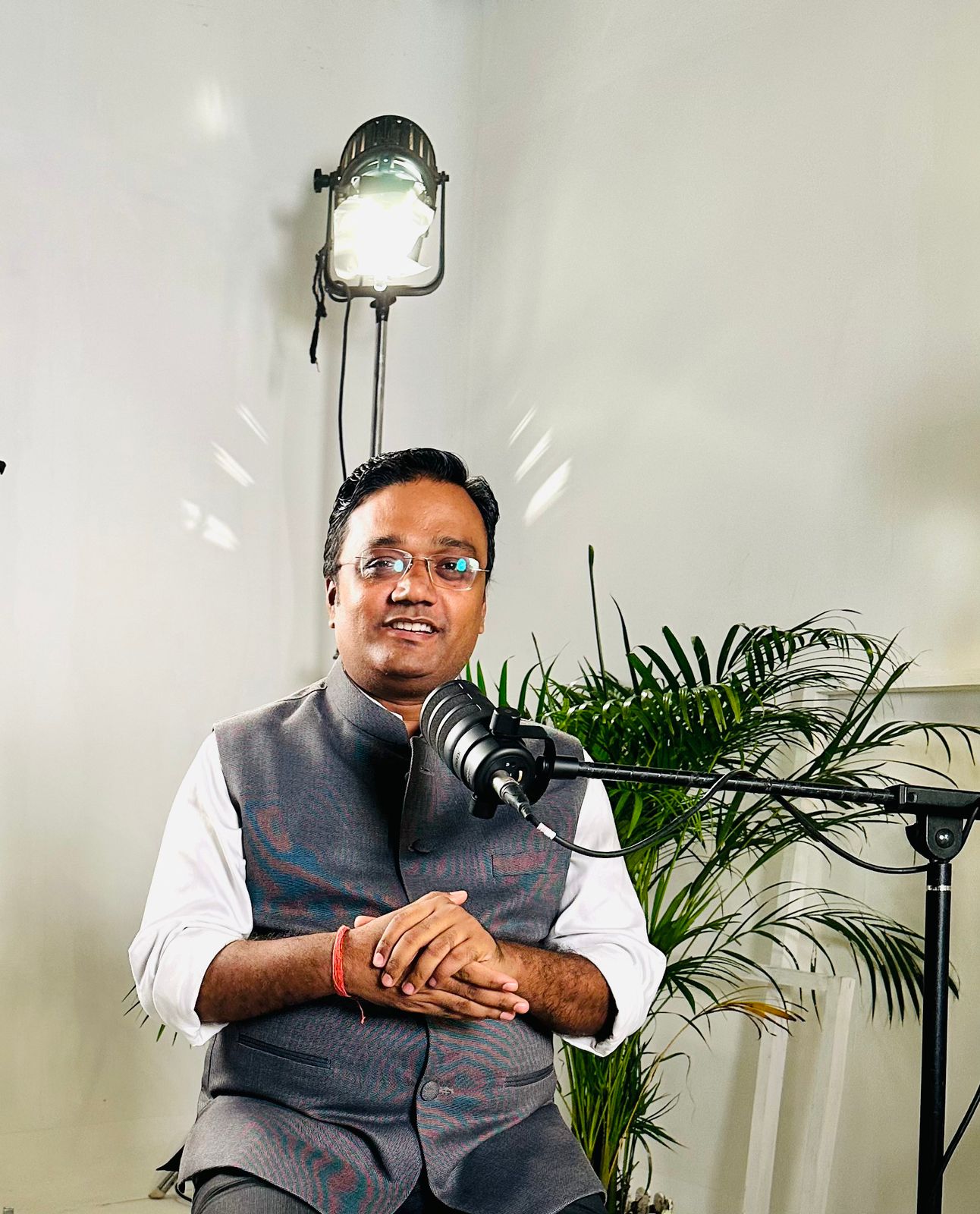 CA Manish Mishra
- Corporate Actions
CA Manish Mishra is the Co-Founder & CEO at GenZCFO. He is the most sought professional for providing virtual CFO services to startups and established businesses across diverse sectors, such as retail, manufacturing, food, and financial services with over 20 years of experience including strategic financial planning, regulatory compliance, fundraising and M&A.