Search GrowthX Learning Content


The Financial Playbook Every Startup Founder Needs in 2026

Launching a startup in 2026 requires much more than a great business idea. Founders must build a strong financial base, maintain accurate books, manage cash flow smartly, and prepare for future fundraising. At the same time, India’s regulatory landscape is undergoing major reforms. New Labour Codes, the Digital Personal Data Protection (DPDP) Act, updated Company Law provisions, and evolving FEMA rules for foreign investments have made compliance more structured and demanding. Startups can no longer afford casual or delayed compliance investors expect financial discipline from day one.
Along with legal obligations, the expectations of venture capitalists and institutional investors have significantly increased. They now look for transparency in shareholding, clean financial records, ESG governance, data-privacy safeguards, and legally compliant contracts before investing. This financial playbook serves as a comprehensive guide that helps founders choose the right structure, meet compliance requirements, build strong financial systems, and scale confidently in India’s fast-evolving 2026 startup ecosystem.
In this article, CA Manish Mishra talks about The Financial Playbook Every Startup Founder Needs in 2026
Choosing the Right Legal Structure for Your Startup
Selecting the correct legal structure is one of the most important decisions founders make when starting a business. It determines how easily the company can raise funds, the level of compliance required, the tax liabilities, and the protection available to the founders. A well-chosen structure ensures smooth operations, proper governance, and long-term scalability.
Why Structure Matters for Funding & Compliance
The legal structure directly impacts your startup’s long-term growth.
A Private Limited Company, for example, is eligible for venture capital funding, issue of ESOPs, and limited liability protection all of which are essential for high-growth businesses. In contrast, sole proprietorships and partnerships offer little legal protection and are not attractive to investors.
Your structure also determines your tax obligations, annual compliance filings, audit requirements, and liability exposure. Choosing the right framework ensures you meet investor expectations while maintaining legal and financial discipline.
Key Business Structures in India
Private Limited Company – The Most Preferred Structure for Startups
A Private Limited Company is the top choice for founders planning to scale or raise investment. It offers limited liability protection, flexibility to issue shares, and the ability to allot ESOPs for attracting talent. Since investors prefer a clear equity structure, this format becomes ideal for funding. However, it requires mandatory audits, ROC filings, and higher compliance which ultimately builds business credibility.
LLP (Limited Liability Partnership)
An LLP offers lower compliance requirements and limited liability to partners, making it suitable for professionals or small service-based businesses. However, it is not ideal for startups seeking funding because LLPs cannot issue shares, ESOPs, or equity instruments. Investors avoid LLPs due to their restrictive structure, making them unsuitable for high-growth companies.
One Person Company (OPC)
OPCs are designed for single founders who want limited liability without entering into partnership. This structure is easy to set up and suitable for small operations. However, once revenue or capital crosses the statutory limits, an OPC must convert into a Private Limited Company. Therefore, it is a good beginning option but not a long-term structure for scaling startups.
Partnership Firm / Sole Proprietorship
These structures are easy to start but pose significant risks because they involve unlimited personal liability. They do not have a separate legal identity, making the founder personally responsible for debts or disputes. They cannot raise external funding, do not support ESOPs, and lack corporate credibility. As a result, they are unsuitable for startups planning growth or investment.
Essential Compliance After Incorporation (2026 Checklist)
Once a company is incorporated, several statutory requirements must be completed to ensure legal validity and smooth operations. These compliance steps are mandatory for all companies, regardless of their size or stage of business. Completing them on time helps avoid penalties, ensures regulatory transparency, and builds credibility with banks, investors, and government authorities.
Mandatory Post-Incorporation Filings
Immediately after incorporation, every startup must complete certain crucial filings with the Ministry of Corporate Affairs. Directors must submit DIR-2 and INC-9, confirming consent to act as directors and declaring compliance. The company must then file INC-20A, the declaration of commencement of business, which confirms that the initial share capital has been deposited in the company’s bank account. No business activity can legally begin until this form is approved. Within 30 days of incorporation, the company must appoint its statutory auditor and file the appointment through ADT-1. If the registered office address was not finalized during incorporation, the company must file INC-22 to officially update the address. These filings establish the legal identity of the company and formally activate its operations.
Annual Compliance Requirements
Every financial year, a company must complete its annual filings with MCA and the Income Tax Department. The audited financial statements are filed through AOC-4, which includes the balance sheet, profit and loss account, cash flow statement, and all notes forming part of the financial statements. The annual return, filed through MGT-7 or MGT-7A, provides details about shareholding, directorships, meetings held, and overall corporate governance. The company must also file ITR-6, regardless of whether it made a profit or incurred a loss. If turnover crosses the statutory threshold, a tax audit under Section 44AB becomes applicable. Additionally, the company must conduct periodic board meetings, maintain minutes, and document all significant decisions made by the board. These processes ensure transparency and adherence to the Companies Act and Income Tax Act.
Financial Record-Keeping
Proper maintenance of financial records is not optional; it is a legal obligation under Section 128 of the Companies Act. Companies must maintain accurate books of accounts, including vouchers, invoices, ledgers, bank statements, and asset registers, either at the registered office or another approved location. Statutory registers such as the Register of Members, Register of Directors, and Register of Charges must be updated regularly. For every share allotment, the company must file PAS-3 and issue share certificates within 60 days. The company must also conduct its Annual General Meeting (AGM) and comply with all AGM-related procedures. If any individual holds significant beneficial ownership, the company must report it by filing BEN-2. Maintaining these records ensures audit readiness and strengthens the company’s compliance posture.
Using Government Schemes: Startup India, DPIIT & State Incentives
Government schemes play a crucial role in reducing financial burden, improving compliance flexibility, and accelerating growth for early-stage companies. Startups in India can access multiple benefits through central and state-level initiatives, along with sector-specific incentives designed to promote innovation and job creation. Understanding and utilizing these schemes can significantly strengthen a startup’s financial stability and long-term sustainability.
Startup India Recognition (DPIIT Certificate)
Obtaining DPIIT recognition under the Startup India initiative provides several powerful advantages. Recognised startups become eligible for Section 80-IAC tax exemption, which allows them to claim a 100% income-tax holiday for any 3 consecutive years within the first 10 years of incorporation. They also benefit from faster processing of patents and trademarks, with up to 80% reduction in patent fees and priority examination of IP applications. DPIIT-recognised startups are permitted to self-certify compliance under nine major labour laws and three environmental laws, which reduces the overall compliance burden. Another major advantage is access to the Fund of Funds for Startups (FFS) managed by SIDBI, which indirectly invests in promising startups through SEBI-registered venture funds. Recognition also boosts credibility with investors, banks, and customers.
State-Level Incentives
In addition to central government benefits, many state governments offer attractive incentives to encourage entrepreneurship. These include stamp duty exemptions during company incorporation or office expansion, which reduce initial setup costs. Some states provide electricity subsidies for manufacturing startups, lowering operational expenses. Many states run incubation programs that offer financial support, mentoring, co-working spaces, and access to investor networks. Startups may also receive lease rental reimbursements for operating in designated startup hubs, making it easier to scale without heavy infrastructure investment. These incentives vary by state, and founders can choose to register in states offering the most relevant support for their sector.
Sector-Specific Government Benefits
Various industries benefit from specialized government schemes designed to promote innovation and strategic growth. Service-based startups registered as MSMEs can access a wide range of MSME benefits, including credit guarantees, lower interest rates, and priority sector lending. Manufacturing and technology-led startups may qualify for Production Linked Incentive (PLI) schemes, which reward companies based on incremental sales and production capacity growth. High-priority sectors such as electric vehicles (EVs), semiconductors, batteries, and renewable energy receive additional incentives including capital subsidies, R&D support, import-duty relaxations, and preferential procurement from government bodies. These tailored benefits help young companies innovate faster and compete globally.
Financial Infrastructure: Systems Every Startup Needs
A strong financial infrastructure is the backbone of every successful startup. Without proper budgeting, reporting systems, payroll management, and internal controls, even the best ideas can fail due to cash-flow issues or compliance mistakes. Investors also expect startups to maintain transparent financial practices, making disciplined financial management essential from the beginning.
Budgeting & Financial Forecasting
Every startup must create robust budgeting and forecasting systems to plan its growth and manage resources effectively. Monthly and annual budgets help founders track expenses, prioritise spending, and avoid unnecessary cash burn. Revenue forecasting enables the company to estimate future income based on sales funnels, customer behaviour, and market conditions. Tracking the burn rate is especially important for early-stage startups as it shows how long the company can survive before requiring additional funding. Cash-flow projections ensure that the business maintains enough liquidity to pay salaries, taxes, and operational expenses on time. These financial tools help founders make informed decisions and stay financially stable.
MIS Reporting & Internal Controls
Management Information System (MIS) reporting is a critical part of financial management. MIS reports typically include key financial statements such as Profit & Loss, Cash Flow, Balance Sheet, Debtor Ageing, and Unit Economics. These reports provide insights into revenue performance, cost patterns, receivables, profitability, and overall business health. Maintaining strong internal controls helps prevent fraud, reduces financial risk, and ensures accuracy in reporting. Investors rely heavily on MIS reports during due diligence, so having clean, well-structured financial data improves investor confidence and speeds up funding rounds. Proper internal controls also support audit readiness and regulatory compliance.
Payroll & Statutory Deductions
Payroll management is more than just paying salaries it involves compliance with multiple statutory laws. Startups must deduct and deposit TDS on salaries as per Income Tax rules and file TDS returns on time. Companies with eligible employees must register and comply with Provident Fund (PF) contributions and Employees’ State Insurance (ESI) schemes. In many states, Professional Tax must be deducted and deposited monthly. Startups must also account for gratuity provisions, especially once employees complete five years of service or if they hire fixed-term employees covered under the new labour codes. A reliable payroll system ensures accurate payments, avoids penalties, and strengthens employee trust.
Fundraising Strategy, Equity Planning & ESOPs
Fundraising is a crucial milestone for any startup and requires careful planning, legal compliance, and strong financial discipline. Investors are more selective in 2026, prioritizing companies that demonstrate transparency, good governance, and long-term sustainability. A structured approach to funding, equity management, and employee stock options ensures that the startup grows strategically while protecting the interests of founders and stakeholders.
Preparing for Funding
Before approaching any investor, startups must ensure that their internal systems are clean and compliant. Investors thoroughly examine a company’s financial statements, tax filings, legal agreements, and ROC records during due diligence. They expect clean books of accounts, with no discrepancies or unrecorded liabilities. Zero non-compliance including timely GST, TDS, PF/ESI, and MCA filings is essential to avoid red flags. An updated cap table is necessary to show the correct shareholding pattern, including founder equity, investor equity, and ESOP pool. All legal agreements such as founder agreements, NDAs, shareholder agreements, and vendor contracts must be properly drafted and executed. A compliance-ready company significantly increases its chances of securing investment quickly and at better valuations.
Types of Startup Funding
Startups can raise capital at different stages depending on their growth requirements. Angel funding is typically the first external investment that helps early operations. Seed funding supports product development and market entry. As the startup expands, it may attract venture capital, which brings larger investments and strategic guidance. Some startups prefer debt funding, which helps maintain ownership while accessing working capital. Modern funding instruments like convertible notes allow quick investments without immediate valuation discussions. Similarly, CCDs (Compulsorily Convertible Debentures) and CCPS (Compulsorily Convertible Preference Shares) are commonly used in structured VC deals because they offer flexibility and tax efficiency. Choosing the right funding type depends on the company’s stage, valuation, and long-term goals.
ESOPs (Employee Stock Option Plan)
Employee Stock Option Plans (ESOPs) are essential tools for attracting and retaining talented employees, especially in early-stage startups that cannot always offer high salaries. Legally, ESOPs must comply with Section 62(1)(b) of the Companies Act, which requires the company to create an ESOP Policy, obtain board and shareholder approval via special resolution, and follow proper valuation requirements before issuing options. A clear and well-structured vesting schedule ensures that employees earn ownership gradually based on performance and tenure. ESOPs not only reduce early-stage salary pressure but also align employee interests with the company’s long-term growth. When implemented correctly, ESOPs build loyalty, improve productivity, and help startups compete for skilled talent in a competitive market.
Labour Codes, HR Compliance & Employment Contracts (2026 Ready)
India’s new Labour Codes are reshaping how companies hire, compensate, and manage their workforce. For startups, ensuring HR compliance is no longer optional it is a critical legal requirement that directly affects payroll calculations, employee benefits, and workplace policies. In 2026, founders must adopt employment practices that align with the Wage Code, Social Security Code, and OSH Code to avoid penalties and ensure smooth business operations.
New Wage Code Requirements
The new Code on Wages introduces a uniform definition of “wages,” ensuring transparency and preventing employers from manipulating salary structures. As per the Wage Code, 50% of an employee’s salary must be Basic Wage, and the remaining 50% can include allowances. Since PF, gratuity, and bonus are all calculated on the Basic Wage, this new rule increases an employee's long-term financial benefits. However, it may lead to a lower take-home salary, as statutory deductions like PF and gratuity will increase. The overall intention is to guarantee predictable wages during employment and stronger retirement savings after employment.
Leave, Safety & Working Conditions Under OSH Code
The Occupational Safety, Health and Working Conditions (OSH) Code aims to standardize working conditions across industries. Under this code, every employee must receive one weekly off after completing 48 hours of work. Leave entitlement is simplified through a universal rule employees earn one day of earned leave for every 20 days worked. Daily work schedules must include mandatory rest intervals to protect employee health and prevent fatigue. The Code also promotes gender inclusivity: women are allowed to work night shifts, provided the employer ensures adequate safety, transport, and security. Startups must update their HR policies to meet these workplace standards and maintain proper documentation to avoid compliance issues.
Employment Contracts Must Include
Employment contracts now play a crucial legal role under the new labour framework. Every startup must issue a clear and legally compliant employment agreement that defines the job role, duties, and reporting structure to avoid disputes. The CTC breakup must follow the new Wage Code structure, specifying Basic Wage, allowances, PF, ESI, and gratuity applicability. The contract should also include the leave policy aligned with the OSH Code, ensuring clarity on earned leave, sick leave, and weekly offs. Finally, the agreement must cover termination rules, notice period, code of conduct, confidentiality, and grounds for dismissal. A well-drafted contract protects both the employer and employee, reduces legal risks, and ensures professional HR management.
Intellectual Property Protection: Brand, Product & Technology
Intellectual Property (IP) protection safeguards everything that defines your brand, your creative output, and your technological innovations. When a company protects its IP, it reduces the risk of theft, builds long-term competitiveness, creates strong brand identity, and attracts investors who value legally protected assets. IP ultimately converts your ideas and brand identity into legal property that only you can control.
Trademark Registration
Trademark registration protects elements that make your brand unique and recognizable.
Protects:
-
Brand Name: Your business name becomes your exclusive property. No competitor can legally use a similar name that may confuse customers. This strengthens brand recognition and avoids identity theft.
-
Logo: A logo is the visual identity of your brand. Registering it prevents others from copying or modifying your design. This is especially important for businesses that rely on visual branding.
-
Tagline: Taglines communicate your brand promise. Trademarking ensures no other business uses a similar phrase that may dilute your reputation.
Helps in:
-
Legal Disputes: Trademark ownership allows you to take strict action against counterfeiters or copycats. Courts favour registered trademarks because they serve as proof of ownership.
-
Investor Confidence: Investors prefer brands with strong legal protection. Registering a trademark shows professionalism, credibility, and long-term brand strategy.
-
Brand Valuation: A registered trademark becomes a valuable intangible asset. As your business grows, the trademark grows in value and becomes part of your brand equity.
Copyright Registration
Copyright protects original creative and digital work, especially important in the digital economy.
For:
Website Content: All your text, blogs, videos, graphics, and marketing content are protected from plagiarism and unauthorized use by competitors.
Product Designs: Creative product sketches, digital artwork, packaging designs, and conceptual images remain legally yours. No one can reproduce them without permission.
Software Code: Copyright secures the source code of your software, mobile app, or platform. This prevents copying, selling, or reverse engineering of your codebase.
UI/UX: User interface designs, layouts, screen flows, icons, and visual elements of your app or website get protection. Competitors cannot replicate your digital experience.
Patents
A patent protects unique, innovative, and technical inventions. It is the strongest form of IP protection.
For Innovative:
Products: New physical items like devices, machinery, tools, electronics, medical equipment, or hardware innovations can be patented. This gives you monopoly rights over production and sale.
Processes: If you invent a new manufacturing process, chemical formula, or technical method that improves efficiency, reduces cost, or creates better results, you can patent it.
Tech Solutions: Innovations such as algorithms, engineering models, unique technical frameworks, IoT solutions, AI/ML-based methods, and automation techniques may be patentable.
Why Patents Matter:
-
Gives 20 years of exclusive rights
-
Blocks competitors from copying your invention
-
Helps businesses increase R&D valuation
-
Attracts investors and strategic partners
-
Turns innovation into a commercial advantage
DPDP Act 2023 Compliance (Mandatory by 2026)
The Digital Personal Data Protection (DPDP) Act, 2023 sets rules for how startups must collect, store, and use personal data. By 2026, compliance will become compulsory for all businesses to protect user privacy and avoid heavy penalties.
What Startups Must Implement
1. Consent-Based Data Collection
Startups must collect personal data only after clear and informed consent from users.
Users must know:
-
What data is being collected
-
Why it is needed
-
How it will be used
They should also be able to withdraw consent anytime.
2. Privacy Policy Compliance
Every startup must have a transparent and easy-to-understand Privacy Policy.
It should explain:
-
The type of data collected
-
Purpose of data usage
-
If data is shared with third parties
-
User rights for correction or deletion
A missing or confusing privacy policy is treated as non-compliance.
3. Data Minimization
Startups should collect only the minimum information required to provide their service.
Example:
-
A delivery app needs your address, not your Aadhaar number.
-
A shopping site needs payment details, not your educational background.
Collecting unnecessary personal data violates the DPDP Act.
4. Breach Reporting
If user data is leaked, hacked, or shared accidentally, the startup must immediately report the breach to:
-
The Data Protection Board, and
-
All affected users
Quick reporting helps prevent further misuse and shows transparency.
5. Appointment of Data Protection Officer (if required)
Large startups or those dealing with sensitive personal data must appoint a Data Protection Officer (DPO).
The DPO ensures:
-
Compliance with DPDP rules
-
Internal audits and data monitoring
-
Handling user complaints
-
Communication with the Data Protection Board
Small startups may appoint a Data Protection Manager instead.
Penalties
The DPDP Act has strict penalty provisions. Startups can face fines up to ₹250 crore for:
-
Mishandling user data
-
Storing data insecurely
-
Not reporting breaches
-
Collecting data without consent
-
Violating user rights
These penalties are among the highest in Indian compliance laws.
High-Risk Startups
Some industries handle highly sensitive personal data. They must follow DPDP rules with extra care.
-
Fintech: Handles financial data, bank accounts, KYC, PAN, Aadhaar extremely sensitive.
-
EdTech: Collects student data, minors’ information, learning behaviour requires strict protection.
-
HealthTech: Stores medical records, prescriptions, diagnostic data highly confidential.
-
E-commerce: Processes user addresses, purchase history, payment info vulnerable to breaches.
-
AI Platforms: Often use biometric, facial recognition, behavioural and large personal datasets high compliance responsibility.
Business Risk Management & Legal Documentation
Strong legal documentation and proper risk management help startups avoid disputes, protect ownership, reduce financial exposure, and maintain smooth business operations. This section highlights the essential legal documents, important insurance policies, and the need for a well-managed compliance calendar.
Essential Legal Documents
1. Co-founder Agreement
Defines the relationship between founders. It covers roles, responsibilities, equity split, decision-making power, exit rules, conflict resolution, vesting schedule, and what happens if a founder leaves. This prevents misunderstandings and internal disputes.
2. Shareholder Agreement (SHA)
Executed between existing shareholders and investors. It specifies voting rights, share transfer rules, board composition, exit options, anti-dilution rights, and investment terms. It protects both the company and investors during fundraising.
3. NDA (Non-Disclosure Agreement)
Protects sensitive information shared with employees, contractors, vendors, or investors. It prevents them from revealing confidential data related to product, technology, financials, or strategy.
4. Vendor Contract
A formal agreement with suppliers or service providers. It includes scope of work, pricing, payment terms, delivery timelines, liabilities, dispute resolution, and termination clauses. This ensures smooth operations and reduces vendor disputes.
5. Employment Contract
Defines the relationship between employer and employee. It includes job role, salary, probation, leave policy, confidentiality clause, non-compete, termination rules, and IP ownership. Helps avoid HR-related conflicts.
6. Privacy Policy + Terms of Service
Both documents are mandatory for businesses collecting user data.
-
Privacy Policy: Explains what data is collected, how it is used, and user rights.
-
Terms of Service: Sets rules for using the website/app, liability limits, refund policies, dispute terms, and user obligations.
Together, they reduce legal risk and maintain transparency with users.
7. IP Assignment Deed
Transfers ownership of intellectual property (software code, designs, content, inventions) from employees/contractors to the company. Without this, the company may not legally own its own product.
Insurance Must-Haves
1. Cyber Liability Insurance
Protects the company from losses due to data breaches, cyberattacks, ransomware, hacking, and customer data exposure. This is crucial for digital startups handling sensitive user information.
2. Professional Indemnity Insurance
Covers claims arising from mistakes, negligence, or service-related errors. Essential for consulting firms, IT service providers, CA/CS firms, and financial advising companies.
3. Employee Insurance (ESI/Health Insurance)
Provides medical coverage to employees. Many states legally require companies to provide group health insurance to ensure workplace safety and employee well-being.
4. Fire & Asset Insurance
Covers office premises, equipment, machinery, furniture, and IT systems against fire, theft, and natural disasters. Helps businesses recover quickly from physical losses.
Maintaining a Compliance Calendar
A Compliance Calendar helps startups track all legal deadlines to avoid penalties, late fees, and compliance failures. It acts as a scheduling tool for all recurring statutory filings.
Should Include:
1. ROC Deadlines
Covers:
-
AOC-4 (Financial Statement filing)
-
MGT-7 (Annual Return)
-
DIR-3 KYC
-
Board meeting requirements
Missing ROC deadlines leads to heavy penalties.
2. GST Deadlines
Includes monthly/quarterly filings such as:
-
GSTR-1
-
GSTR-3B
-
GST annual returns
Tracking GST deadlines avoids late fees and interest.
3. TDS/TCS Compliance
Covers:
-
TDS payment due dates
-
Quarterly TDS return filing
-
TCS collection and filing
-
Issuing Form 16 & 16A
Non-compliance leads to penalties and disallowance of expenses.
4. Labour Law Filings
Includes PF, ESI, Gratuity, Payment of Wages, POSH compliances, shop & establishment renewal, and other statutory labour returns.
5. Payroll Cycle
Ensures timely salary disbursement, statutory deductions (PF, ESI, PT), payslip generation, and employee compliance. Maintaining a monthly payroll schedule prevents employee grievances and legal issues.
Scaling the Startup: Financial & Operational Strategy
Scaling a startup means growing its revenue, operations, team, and technology without losing efficiency or profitability. As a business expands, it must strengthen its financial model, upgrade legal compliance, and adopt smarter technology to support long-term growth.
Scaling Financially
1. Monitoring Profit Margins
As a startup grows, the cost of operations, marketing, and manpower also increases. Monitoring profit margins helps the founders understand whether the business is truly becoming more profitable or simply growing in size. Healthy margins ensure long-term sustainability and attract investors.
2. Strengthening Unit Economics
Unit economics means understanding the profit earned from one unit of product or service.
Example:
-
Cost to acquire one customer
-
Revenue earned from that customer
-
Gross profit per unit
If unit economics are strong, scaling becomes easier. If weak, scaling will only increase losses. Startups must optimize cost per unit, customer lifetime value, and CAC (customer acquisition cost).
3. Expanding Revenue Streams
Startups should not depend on a single source of income. They must diversify by adding:
-
New product lines
-
Subscription models
-
Premium services
-
Expansion to new cities/states
-
Strategic partnerships
Multiple revenue streams reduce dependency and protect the business during market downturns.
Scaling Legally
As the startup grows, legal compliance becomes more complex. Expansion to new states, foreign investment, or multiple branches requires additional registrations and audits.
1. GST Registration in New States
If a startup starts supplying goods or services in a new state, opens a warehouse, or opens a branch office, separate GST registration for that state becomes mandatory to comply with GST rules.
2. Labour Registration for New Branches
New offices require registration under:
-
Shops & Establishment Acts
-
Professional Tax
-
PF & ESI registrations
-
Local labour laws
Failure to comply leads to penalties and employee issues.
3. FEMA Compliance for Foreign Funds
Startups receiving money from foreign investors or foreign customers must comply with FEMA (Foreign Exchange Management Act).
This includes:
-
Filing FC-GPR
-
Reporting inbound remittances
-
Maintaining valuation reports
-
RBI filings
FEMA compliance is critical to avoid penalties and future fundraising problems.
4. Transfer Pricing Audit
If a startup has international transactions (e.g., foreign subsidiary or parent company), it must conduct a transfer pricing audit to ensure pricing is fair and not manipulated. This is mandatory under Income Tax laws for certain categories.
Scaling with Technology
Technology plays a major role in smooth expansion. As a startup grows, manual processes become inefficient, and automation becomes essential.
-
Cloud Accounting: Cloud-based tools like Zoho Books, QuickBooks, or Tally Prime help automate invoicing, expense tracking, financial reports, and remote bookkeeping. They support multi-branch operations and ensure real-time financial accuracy.
-
CRM (Customer Relationship Management): CRM systems help manage leads, customer interactions, sales pipelines, and follow-ups. They improve sales efficiency and help maintain strong customer relations as the team grows.
-
HRMS (Human Resource Management System): HRMS automates attendance, leave, onboarding, employee documents, performance evaluations, and internal communication. This ensures smooth team management as employee numbers increase.
-
Automated Payroll: Automated payroll solutions calculate PF, ESI, TDS, and salaries accurately every month. They reduce manual errors and ensure timely, compliant salary processing.
-
Compliance Dashboards: A compliance dashboard centralizes all legal filings such as GST, TDS, ROC, PF, ESI, and labour compliance. It shows upcoming deadlines, pending tasks, and completed filings helping startups avoid penalties and maintain 100% compliance.
Conclusion
A startup’s success in 2026 will increasingly depend on how well it blends smart financial decision-making with strict legal and regulatory compliance. With India’s business environment becoming more structured, founders must focus on building strong operational foundations. This includes selecting the right business structure, maintaining proper books of accounts, meeting ROC, GST, and labour law requirements, and protecting intellectual property through trademarks, copyrights, and patents. Startups must also plan ESOPs carefully to attract talent and comply with the DPDP Act, 2023 to ensure responsible data handling, transparency, and user privacy.
Equally important is the creation of stable financial systems that support growth. Strengthening unit economics, monitoring margins, diversifying revenue streams, and adopting cloud-based tools for accounting, compliance, HR, and payroll help startups scale efficiently. A startup that prioritises compliance and financial discipline is not only more attractive to investors but also more resilient, scalable, and equipped for long-term success in India’s rapidly evolving business ecosystem.
Frequently Asked Questions (FAQs)
Q1. What is the best legal structure for a startup in 2026?
Ans. A Private Limited Company remains the most preferred structure due to investor acceptance, ESOP compatibility, and limited liability. LLPs suit service firms but are not ideal for raising equity.
Q2. What are the first mandatory compliances after incorporation?
Ans. Startups must file INC-20A, appoint an auditor through ADT-1, issue share certificates, maintain statutory registers, and register for GST/PF/ESI depending on applicability.
Q3. Are ESOPs mandatory for startups?
Ans. Not mandatory, but highly recommended. ESOPs help attract talent without high salary payouts and are essential for long-term retention.
Q4. How do the new Labour Codes affect salary?
Ans. Basic salary must be at least 50% of CTC, increasing PF and gratuity contributions. This may reduce take-home salary but increases retirement benefits.
Q5. What financial systems should a startup adopt?
Ans. Cloud accounting, MIS dashboards, invoicing automation, cash-flow forecasting, and payroll automation are essential for transparency and investor readiness.
Q6. Why is DPIIT recognition important?
Ans. It offers tax exemptions, relaxed compliance, IP fast-tracking, government grants, and higher investor confidence.
Q7. Do startups need DPDP Act compliance?
Ans. Yes. Every startup handling personal data must comply with privacy laws to avoid heavy penalties and build customer trust.
Q8. What are the essential legal agreements a startup needs?
Ans. Co-founder agreements, ESOP policy, NDA, shareholder agreements, employment contracts, vendor agreements, privacy policy, and terms of use.
Q9. How should founders prepare for fundraising?
Ans. Maintain clean financial statements, file all ROC compliances, create a proper cap table, protect IP, establish MIS systems, and prepare pitch and valuation documents.
Q10. When should a startup register under GST?
Ans. If turnover exceeds ₹20–40 lakhs (depending on state) or if interstate supply, e-commerce, or import-export activities are involved.
- 29 Nov, 2025
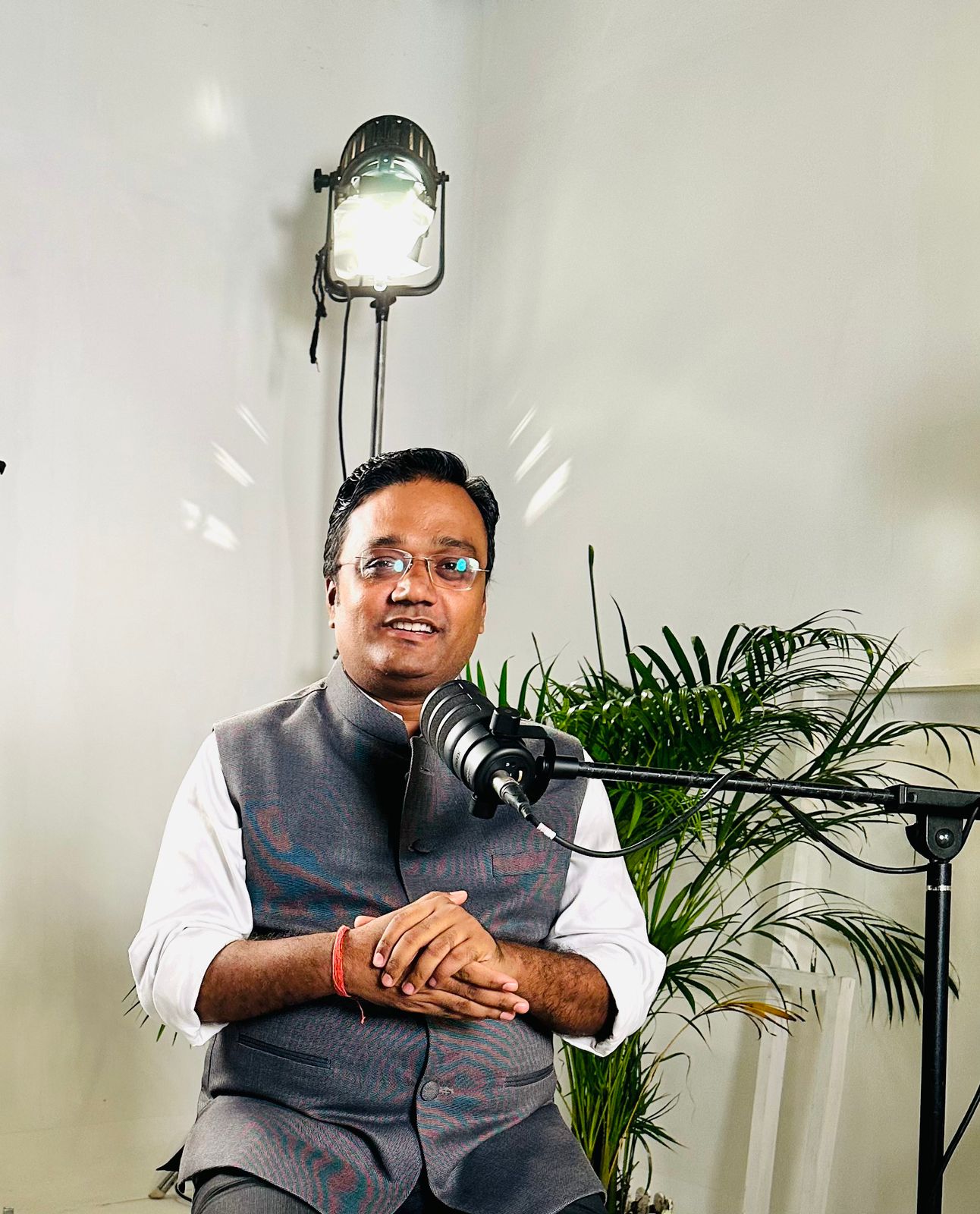 CA Manish Mishra
- Starting Up
CA Manish Mishra is the Co-Founder & CEO at GenZCFO. He is the most sought professional for providing virtual CFO services to startups and established businesses across diverse sectors, such as retail, manufacturing, food, and financial services with over 20 years of experience including strategic financial planning, regulatory compliance, fundraising and M&A.