Search GrowthX Learning Content


Does a Digital Lending App Need an NBFC Licence?

The financial services sector in India has witnessed a significant transformation with the rise of digital lending platforms. Earlier, borrowers had to complete lengthy documentation, visit banks multiple times, and wait for approvals. Digital lending apps have simplified this process by enabling users to apply for loans, complete verification, submit documents, and access financial services through online platforms. These applications have become popular for providing quick and convenient access to personal loans, business loans, consumer credit, and other financial products.
However, the increasing growth of digital lending has created regulatory concerns, especially regarding the requirement of an NBFC licence. The need for an NBFC licence depends on the role performed by the company. If a business provides loans using its own funds, manages loan accounts, decides lending conditions, and bears repayment risks, it must obtain RBI approval. On the other hand, fintech companies that only provide technology solutions and work with RBI-registered banks or NBFCs as service providers may operate without their own NBFC licence. Therefore, choosing the correct business model is essential for regulatory compliance.
In this article, CA Manish Mishra talks about Does a Digital Lending App Need an NBFC Licence?
Understanding Digital Lending Apps
A Digital Lending App (DLA) is a technology-based platform that enables borrowers to access financial services through digital channels such as mobile applications, websites, or online portals. These applications eliminate the need for traditional lending procedures by allowing customers to complete the entire borrowing process electronically. A digital lending app generally covers multiple stages of the lending journey. It may allow customers to register themselves, complete online KYC verification, submit financial details, upload required documents, check loan eligibility, receive approval notifications, and track repayment schedules.
The main objective of digital lending apps is to make credit easily accessible, especially for individuals and small businesses that may face difficulties in obtaining loans through conventional banking channels. Through automation and technology-based assessment systems, these platforms reduce processing time and improve customer experience. However, operating a digital lending application does not automatically make a company a lender. A company may simply provide technology support while the actual lending activity is carried out by a regulated financial institution. For example, a fintech startup may develop an application where customers apply for loans. The application may collect customer details, assist with documentation, and provide a user-friendly interface. However, if an RBI-registered NBFC approves the loan, transfers funds, maintains the loan account, and bears the risk of default, then the fintech company is only providing technology services.
What is an NBFC Licence?
A Non-Banking Financial Company (NBFC) licence is a regulatory approval issued by the Reserve Bank of India to companies engaged in financial activities such as lending, investment, and credit-related services. Unlike ordinary companies, NBFCs operate in a regulated financial environment because they deal with money-related activities and provide credit facilities to customers. RBI regulates NBFCs to ensure financial stability, protect borrowers, maintain transparency, and prevent unfair lending practices.
A company registered as an NBFC can legally provide loans to customers, create lending products, determine lending policies, charge interest, collect repayments, and maintain a loan portfolio. Obtaining an NBFC licence also creates several compliance responsibilities for the company. The entity must maintain proper financial records, follow RBI directions, establish risk management systems, ensure customer protection, and fulfil reporting requirements. For digital lending businesses, the requirement of an NBFC licence arises when the company wants to operate as a direct lender rather than merely providing a digital platform.
When Does a Digital Lending App Need an NBFC Licence?
A digital lending app requires an NBFC licence when the company behind the application performs core lending activities. In simple terms, if the company itself acts as the financial institution providing credit to customers, RBI registration becomes necessary.
Many entrepreneurs believe that creating a loan application automatically requires an NBFC licence. However, the actual deciding factor is not the existence of an app but the role performed by the company. If the company controls the lending process, provides funds, manages loans, and takes financial risks, it is considered a lender.
Providing Loans from Own Funds
One of the most important factors determining the requirement of an NBFC licence is whether the company provides loans from its own funds. When a digital lending company uses its own capital to provide loans to customers, it is directly involved in financial lending activities. For instance, if a company develops a loan app where customers apply for loans and the company itself transfers money to approved borrowers, the company is functioning as a lender.
In such a situation, the company earns interest income from loans and carries the financial responsibility of repayment. If borrowers fail to repay the loan amount, the company suffers the financial loss. Since lending activities involve public interest and financial risks, RBI requires such companies to obtain appropriate registration before commencing operations. A technology company cannot avoid regulatory requirements simply by conducting lending activities through a mobile application. The method of delivering the loan does not change the nature of the activity.
Ownership and Management of Loan Portfolio
Another important factor is whether the company owns and manages the loan portfolio. A loan portfolio refers to the collection of loans provided by a lender that are outstanding at a particular time. It includes details such as borrower information, loan amounts, repayment schedules, interest income, and outstanding balances. If a digital lending company maintains these loans in its own financial records, receives repayment directly from borrowers, and manages defaults, it indicates that the company is operating as a lender.
For example, if a digital lending company provides ₹10 crore worth of loans and records those loans as its assets, it is effectively carrying out lending business. The ownership of the loan portfolio creates financial responsibility because the company becomes responsible for recovering money and managing losses arising from unpaid loans.
Bearing Credit Risk
Credit risk is one of the most important aspects of lending business. It refers to the possibility that borrowers may fail to repay their loans. A company that provides loans must evaluate borrower creditworthiness and decide whether the borrower is capable of repayment. If borrowers default, the lender faces financial losses.
If a digital lending app independently decides loan approvals, determines borrower eligibility, and bears losses from defaults, it is performing the role of a lender. For example, if a customer borrows money through an application and fails to repay, resulting in a financial loss to the company operating the app, then the company is taking credit risk. Taking credit risk is a strong indication that the company is engaged in lending activities and requires appropriate regulatory approval.
When Does a Digital Lending App Not Need an NBFC Licence?
A digital lending app does not require an NBFC licence when the company only provides technology-based services and does not engage in actual lending. Many fintech startups choose this model because obtaining NBFC registration requires significant capital investment, regulatory compliance, and operational infrastructure.
Under this model, the fintech company acts as a technology partner or Lending Service Provider (LSP) for an RBI-regulated bank or NBFC. The regulated lender remains responsible for providing the loan, managing risk, maintaining records, and ensuring compliance with RBI regulations. The fintech company focuses on improving the customer experience through technology solutions.
Role of Lending Service Provider (LSP)
A Lending Service Provider (LSP) is a company that provides support services to banks and NBFCs in the digital lending process. LSPs help regulated lenders improve their digital capabilities by providing technology platforms, customer acquisition solutions, automated systems, and operational support. A fintech company acting as an LSP may perform activities such as developing mobile applications, managing customer interfaces, assisting in documentation, providing loan tracking systems, and offering customer support services.
However, an LSP does not become the lender merely because it manages technology operations. The actual lender remains responsible for:
-
Approving loans.
-
Maintaining loan accounts.
-
Managing borrower risks.
-
Ensuring regulatory compliance.
-
Handling customer grievances.
Therefore, fintech companies operating under the LSP model can provide digital lending solutions without obtaining an independent NBFC licence.
Digital Lending Business Models in India
Own NBFC Digital Lending Model
Under this model, the company establishes itself as a regulated financial institution by obtaining an NBFC licence. The company manages the complete lending lifecycle, including customer acquisition, credit evaluation, loan approval, disbursement, repayment collection, and recovery procedures.
This model provides maximum control because the company can design its own loan products and directly interact with customers. However, it also requires significant investment and compliance management. The company must maintain adequate capital, follow RBI guidelines, implement risk management systems, and regularly fulfil regulatory obligations. This model is generally suitable for businesses that want to build a long-term lending institution.
Fintech Partnership Model
The partnership model allows fintech companies to provide digital lending solutions without becoming lenders themselves. In this arrangement, the fintech company creates the technology platform, while an RBI-registered NBFC or bank provides the actual loan facility.
The NBFC handles important lending functions such as loan approval, fund transfer, repayment management, and regulatory compliance. This model allows startups to enter the lending ecosystem faster because they do not need to obtain an NBFC licence. However, the fintech company must carefully structure its agreement with the lending partner and ensure compliance with applicable digital lending regulations.
Conclusion
A digital lending app does not automatically require an NBFC licence. The requirement depends on whether the company is acting as a lender or simply providing technology support. If the company provides loans using its own funds, controls lending decisions, owns the loan portfolio, and bears credit risk, it must obtain NBFC registration from RBI. However, if the company only provides technology solutions and works with RBI-regulated banks or NBFCs, it can operate as a Lending Service Provider without obtaining an NBFC licence.
For fintech entrepreneurs, selecting the correct business model at the beginning is extremely important. A properly structured digital lending platform not only ensures regulatory compliance but also builds customer confidence and supports sustainable business growth. Before launching operations, businesses should carefully analyse their activities and obtain professional guidance to determine the appropriate regulatory.
Frequently Asked Questions (FAQs)
Q1. Is an NBFC licence mandatory for every digital lending app in India?
Ans. No, every digital lending app does not require an NBFC licence. It depends on the business model. Companies providing loans directly need NBFC registration, while technology platforms partnering with banks or NBFCs can operate as Lending Service Providers.
Q2. Can a fintech company start a digital lending app without becoming an NBFC?
Ans. Yes, a fintech company can start a digital lending app without an NBFC licence by working as a Lending Service Provider. It can provide technology solutions, customer support, and digital infrastructure while an RBI-regulated bank or NBFC provides loans.
Q3. What activities make a digital lending app an actual lender?
Ans. A digital lending app becomes a lender when it provides loans from its own funds, approves borrowers, manages loan portfolios, collects repayments, and bears credit risks. Such activities involve lending operations and generally require obtaining an NBFC licence from RBI.
Q4. Can a digital lending app approve loans without an NBFC licence?
Ans. No, a fintech company cannot independently approve and provide loans without regulatory approval. Loan approval responsibility must remain with an RBI-regulated bank or NBFC. The fintech platform can only assist through technology, customer onboarding, and digital processing services.
Q5. What is the difference between an NBFC and a Lending Service Provider (LSP)?
Ans. An NBFC is a regulated entity authorised to provide loans and manage credit risks. An LSP only provides technology and operational support to lenders. It does not provide loans, own loan portfolios, or take responsibility for borrower defaults.
Q6. Can a private limited company operate a digital lending business?
Ans. Yes, a private limited company can operate a digital lending business. However, direct lending requires NBFC registration from RBI. Companies providing only technology platforms can collaborate with RBI-regulated lenders without obtaining an independent NBFC licence.
Q7. Can an NBFC provide loans through a mobile application?
Ans. Yes, an NBFC can provide loans through mobile applications. However, it must follow RBI digital lending regulations related to transparency, borrower protection, data privacy, loan disclosures, and grievance handling mechanisms while providing digital lending services.
Q8. What happens if a company provides loans without an NBFC licence?
Ans. Providing loans without required regulatory approval can lead to legal consequences, penalties, restrictions, and reputational damage. Companies must evaluate their business model carefully and obtain necessary approvals before engaging in lending activities.
Q9. Is a loan app owner responsible for customer data protection?
Ans. Yes, digital lending app operators must protect customer information. They should collect data with consent, maintain security measures, prevent unauthorised access, and ensure customer information is used only for legitimate lending purposes.
Q10. What compliance requirements apply to digital lending apps?
Ans. Digital lending apps must ensure transparency, disclose lender details, protect customer data, provide loan information, maintain grievance mechanisms, and follow RBI guidelines. Compliance requirements depend on whether the platform acts as a lender or technology service provider.
- 08 Sep, 2026
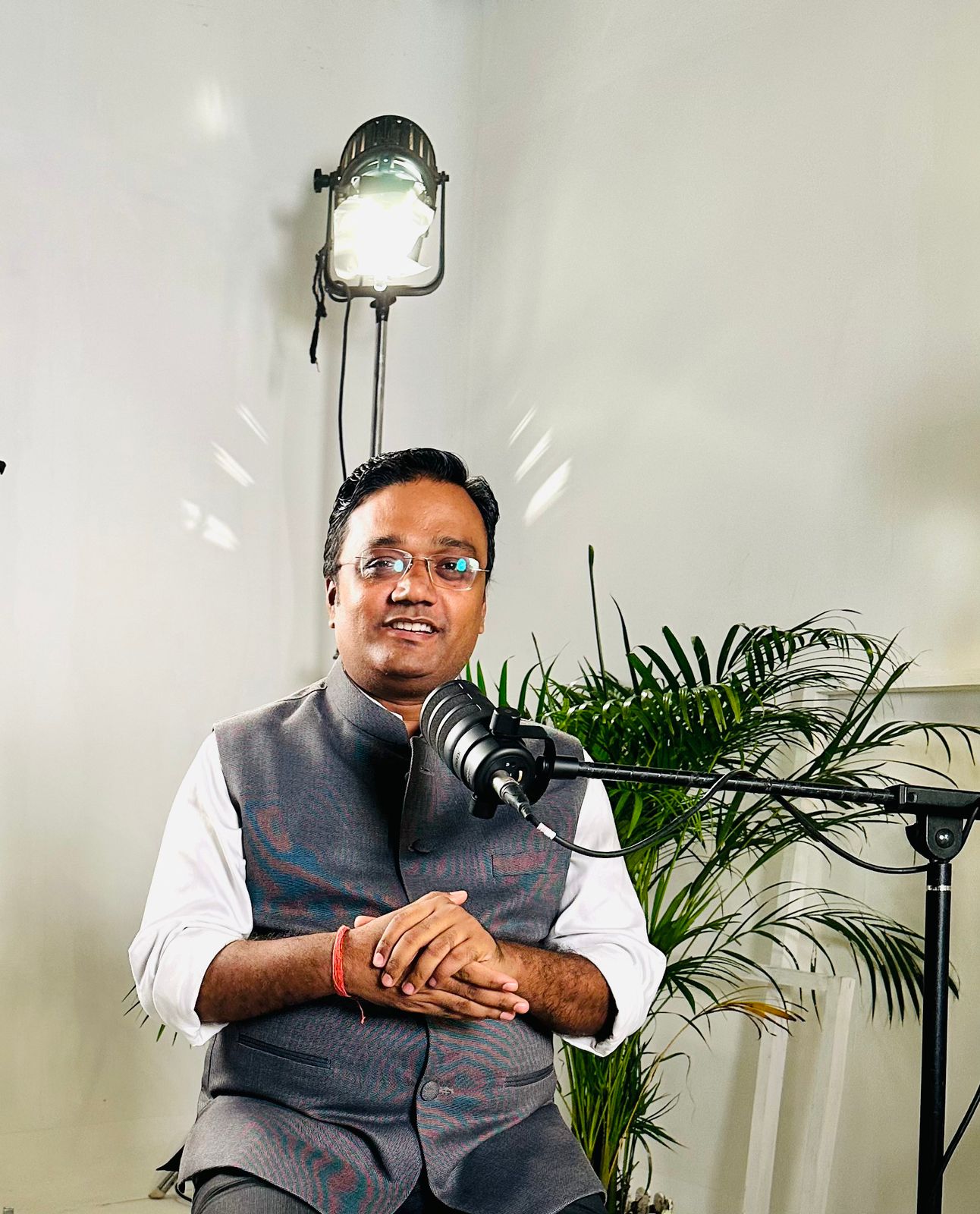 CA Manish Mishra
- Corporate Actions
CA Manish Mishra is the Co-Founder & CEO at GenZCFO. He is the most sought professional for providing virtual CFO services to startups and established businesses across diverse sectors, such as retail, manufacturing, food, and financial services with over 20 years of experience including strategic financial planning, regulatory compliance, fundraising and M&A.