Search GrowthX Learning Content


FSSAI License for Food Importers and Exporters

The Food Safety and Standards Authority of India (FSSAI) is the apex body established under the Food Safety and Standards Act, 2006. It regulates food quality and safety to ensure that food products distributed or consumed in India meet stringent health standards.

Role of FSSAI in Food Safety
FSSAI develops science-based standards for food products, regulates their manufacture, storage, distribution, sale, and import, and ensures safe consumption practices. For businesses importing or exporting food, FSSAI compliance is a legal necessity and a marker of trust.
Knowning the FSSAI License
- Types of FSSAI Licenses
There are three categories of FSSAI licenses:
-
Basic Registration: For small food businesses with a turnover below ₹12 lakhs.
-
State License: For businesses operating within one state and having an annual turnover of ₹12 lakhs to ₹20 crores.
-
Central License: Required for importers, exporters, and large food businesses with turnover above ₹20 crores or operations in multiple states.
- Importance of FSSAI Registration
FSSAI registration is not just a legal obligation but also builds consumer confidence and facilitates easier market entry, especially in international trade.
Why Food Importers and Exporters Need FSSAI License
- Legal Requirements
According to the FSS Act, anyone involved in the import or export of food items must obtain an FSSAI license. Importers need a Central FSSAI License for clearance at ports and customs.
- Ensuring Food Safety Compliance
This license ensures that the food you import or export complies with Indian safety standards, preventing the distribution of contaminated or substandard food products.
Types of FSSAI Licenses for Import-Export Businesses

- Basic Registration
-
Not applicable for importers or exporters.
-
For very small operators in local markets.
- State License
-
Applies to exporters operating only within a single state.
-
Suitable for small-scale operations.
- Central License
-
Mandatory for all food importers and exporters.
-
Required for operations in multiple states or if turnover exceeds ₹20 crores.
-
Needed for clearance at customs during imports.
Eligibility Criteria for Food Importers and Exporters
- Annual Turnover Requirements
-
Basic: < ₹12 lakh – not applicable here
-
State: ₹12 lakh – ₹20 crore (Exporters only)
-
Central: > ₹20 crore or Importers/Exporters
- Nature of Business
-
Businesses involved in manufacturing, storing, distributing, importing, or exporting food must register.
-
Importers must also be registered with the DGFT and have an IEC code.
Step-by-Step Process to Obtain an FSSAI License

- Register on FoSCoS Portal
-
Visit https://foscos.fssai.gov.in and create an account.
- Submit Required Documents
-
Upload scanned copies of documents like address proof, incorporation certificate, IEC code, etc.
- Application Review & Issuance
-
The FSSAI authority reviews the application.
-
May request additional documents or inspections.
-
License is issued within 30–60 days upon successful verification.
Documents Required for FSSAI License Application

- Personal Documents
-
Photo ID proof (Aadhaar, PAN)
-
Passport-sized photograph
- Business and Food Category Documents
-
Proof of business incorporation
-
Import Export Code (IEC)
-
List of food products
-
NOC from the municipality
-
Form IX (Nomination of responsible person)
FSSAI License for Food Importers
- Additional Customs and Port Documentation
-
Clearance from the Customs Department.
-
Food Import Clearance System (FICS) compliance.
- Product Approval
-
Some imported products may need product-specific approval if not listed under standardized items.
FSSAI License for Food Exporters
- Labelling Standards
-
Exporters must comply with the labeling norms of both India and the destination country.
-
Bilingual or multilingual labeling may be required.
- International Trade Compliance
-
FSSAI license ensures the credibility of food exports, easing trade relations and boosting reputation in global markets.
Validity and Renewal of FSSAI License

- Duration of License
-
Valid for 1 to 5 years as chosen during application.
- How to Renew an Expired License
-
Renewal must be applied for at least 30 days before expiration.
-
Late renewals attract fines; expired licenses cannot be renewed and require fresh application.
Fees for FSSAI License for Importers & Exporters
| License Type | Fee per Year |
|---|---|
| Basic Registration | ₹100 |
| State License | ₹2,000 – ₹5,000 |
| Central License | ₹7,500 |
Fees may vary slightly depending on the type of food product and location of operation.
FSSAI Compliance for Food Import-Export Businesses
- Regular Inspections
-
Food safety officers may conduct routine checks at warehouses and ports.
- Lab Testing
-
Random sampling and testing of food batches, especially for imports.
-Record-Keeping Requirements
-
Maintain transaction and shipment logs for traceability.
Penalties for Non-Compliance
- Fines and Legal Consequences
-
Operating without a valid FSSAI license can lead to fines up to ₹5 lakh and imprisonment.
- License Cancellation
-
Continuous violations may result in license suspension or cancellation.
Benefits of Having an FSSAI License
- Credibility and Trust
-
Boosts brand image and builds customer confidence.
- Market Access
-
Essential for clearance through customs and international shipment processing.
- Legal Protection
-
Safeguards against penalties, lawsuits, and business shutdowns.
Challenges Faced by Food Importers and Exporters
-
Navigating multiple regulatory frameworks.
-
Time-consuming document verification.
-
Technical glitches on the FoSCoS portal.
Tips for Hassle-Free FSSAI Registration
-
Hire a professional consultant or CA.
-
Keep all documents updated and in digital format.
-
Apply for renewal well in advance to avoid late fees.
FAQs about FSSAI License for Food Importers and Exporters
- FSSAI license mandatory for food importers?
Yes, it is legally required under the FSS Act for importing food into India.
- How long does it take to get an FSSAI license?
Typically 30–60 working days if documents are correct and no additional inspections are required.
- Can I import food without an FSSAI license?
No. Doing so can result in confiscation of goods and penalties.
- What is the cost of getting an FSSAI Central License for importers?
The government fee is ₹7,500 per year.
- Is a separate license needed for export?
Yes, especially if you are exporting from multiple states or dealing in high-risk categories.
- How do I renew my FSSAI license?
Login to FoSCoS portal, navigate to renewal, and apply at least 30 days before expiry.
Conclusion
Obtaining an FSSAI License for Food Importers and Exporters is not just a legal formality—it’s a critical step to build trust, ensure compliance, and safeguard public health. Whether you’re importing gourmet products or exporting regional delicacies, the FSSAI license opens the gateway to secure, seamless operations in India’s and global food markets.
- 20 May, 2025
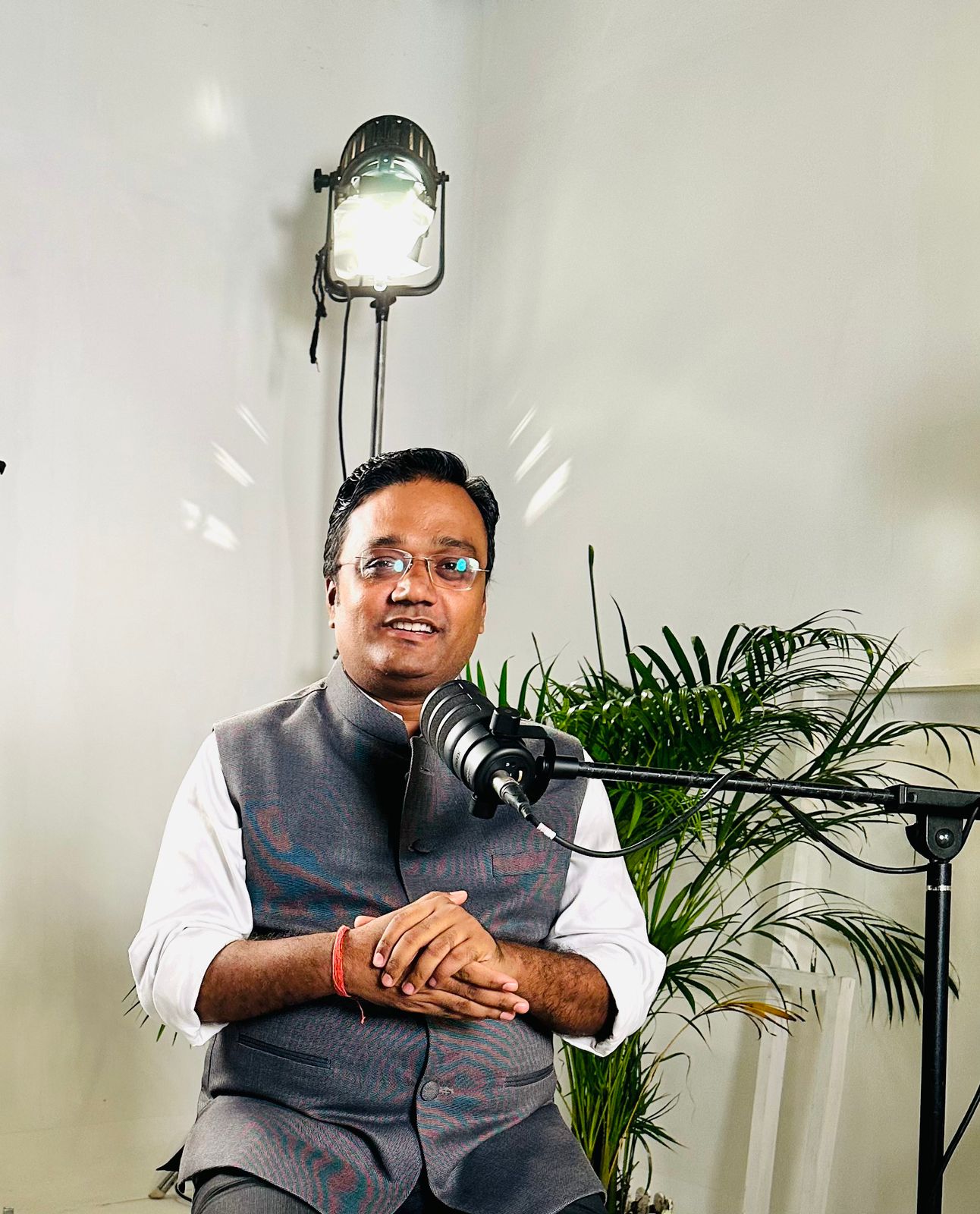 CA Manish Mishra
- Starting Up
CA Manish Mishra is the Co-Founder & CEO at GenZCFO. He is the most sought professional for providing virtual CFO services to startups and established businesses across diverse sectors, such as retail, manufacturing, food, and financial services with over 20 years of experience including strategic financial planning, regulatory compliance, fundraising and M&A.