Search GrowthX Learning Content


Liquor License for Restaurants and Bars: State-wise Norms

Operating a restaurant or bar in India involves several legal compliances, and among the most critical is obtaining a valid liquor license. A liquor license is an official permit granted by a state government allowing businesses to sell alcoholic beverages legally. The issuance, renewal, and monitoring of these licenses fall under the jurisdiction of each state’s Excise Department.

The rules and processes can vary drastically across states, reflecting diverse cultural, social, and political perspectives. Understanding these nuances is essential for business owners aiming to stay compliant and thrive in the hospitality sector.
Types of Liquor Licenses in India
India offers a range of liquor licenses, each designed for a specific business model:+

– Wholesale License
-
For wholesale suppliers and distributors
-
Typically for importing or producing alcohol
– Retail License
-
Allows sale of alcohol in shops for off-premise consumption
– Hotel/Bar License
-
Permits serving liquor in hotels and bars
– Club Licenses
-
For clubs serving only members and their guests
– State-Specific Types
-
States like Maharashtra and Karnataka have distinct subcategories like FL3, FL7 for restaurants, hotels, and event venues.
Understanding the right license for your business model is critical before applying.
Factors Affecting Liquor License Approval
Getting a liquor license isn’t just about filing a form. Several factors influence approval:
-
Location: Zoning laws prohibit liquor sales near schools, temples, or residential areas.
-
Ownership Structure: Partnerships, LLPs, and companies must provide different sets of legal documents.
-
Business Model: Restaurants, pubs, and event spaces have different licensing needs.
Common Requirements for All States
While each state differs, some requirements are universally expected:
-
Applicant must be over 21 years of age (some states mandate 25+)
-
Proof of premises ownership or rental agreement
-
NOC from local municipal authority
-
Fire Safety and Health Certifications
-
Blueprints of premises
-
Police Verification Report
Application fees vary but generally range from ₹5,000 to ₹10,00,000 depending on the location and type of license.
State-wise Overview of Liquor License Norms

Here’s a snapshot of state-wise rules:
| State | License Authority | Application Mode | Avg. Processing Time |
|---|---|---|---|
| Maharashtra | Excise Department | Online & Offline | 30–60 Days |
| Delhi | Department of Excise | Online | 45–60 Days |
| Karnataka | State Excise Department | Online | 30 Days |
| Tamil Nadu | TASMAC | Manual | 60–90 Days |
| West Bengal | Excise Directorate | Online | 30–45 Days |
| Gujarat | Prohibition Department | Manual | Variable |
| Goa | Department of Excise | Online | 15–30 Days |
Liquor License in Maharashtra
Maharashtra, especially Mumbai, has a complex system of licenses:
-
FL3 License for restaurants
-
FL4 for clubs
-
Cost: ₹5–10 lakhs/year depending on capacity
-
Online portal available for applications
Liquor License in Delhi
-
Administered via the Delhi Excise Online Portal
-
L17 License for restaurants
-
Transferable with ownership change
-
Renewal fee: ₹1–2 lakhs annually
Liquor License in Karnataka
-
CL9 License is common for pubs and bars
-
Strict adherence to timing regulations (11 PM closure)
-
Annual cost: ₹2–5 lakhs
-
High scrutiny from excise officers
Liquor License in Tamil Nadu
-
TASMAC is the sole supplier of alcohol
-
Private entities cannot hold retail licenses directly
-
Licenses primarily granted to star hotels
Liquor License in West Bengal
-
Fully online process through state portal
-
License types include ON SHOP and OFF SHOP
-
Expect extensive background checks
Liquor License in Gujarat (Dry State)
-
Alcohol is banned for local consumption
-
Permits available for foreigners and non-residents
-
Very restrictive issuance policy
Liquor License in Goa
-
Liberal policy to promote tourism
-
Multiple outlets can share license within one premise
-
Annual cost much lower compared to metro cities
Online vs. Offline Application Procedures
Online portals have simplified applications in states like Delhi, West Bengal, and Goa. However, Tamil Nadu and Gujarat still rely on manual submissions with local office visits. Ensure your documents are digitally scanned and verified if applying online.
Timeframe and Processing Duration
Time varies based on state and type:
-
Expedited routes available in Goa and Maharashtra (with higher fees)
-
Average time: 30–60 days for standard approval
License Fees and Renewal Structure
| State | Annual Fee (Approx.) |
|---|---|
| Maharashtra | ₹7–10 lakhs |
| Delhi | ₹1–2 lakhs |
| Karnataka | ₹2–5 lakhs |
| Goa | ₹50,000–₹1 lakh |
Late renewals attract penalties of ₹10,000 to ₹50,000 depending on delay and state policies.
Compliance and Inspections

Regular inspections by:
-
Excise Department
-
Municipal Health Inspectors
-
Fire Department
Records must be maintained for every alcohol purchase and sale, including brand, quantity, and date.
Penalties for Non-Compliance
-
Fine of up to ₹10 lakhs
-
Closure of premises
-
Criminal charges for repeat violations
-
Blacklisting for future license applications
Tips for a Successful License Application
-
Hire a legal consultant or advocate
-
Keep all NOCs and certificates ready
-
Maintain a clean legal and tax record
-
Apply 60 days before launch date
Frequently Asked Questions
- Can I apply for a liquor license online in India?
Yes, many states like Delhi, West Bengal, and Goa offer online application portals.
- How long does it take to get a liquor license in Mumbai?
Generally 30 to 60 days depending on completeness of documents.
- What is the cost of a liquor license in Karnataka?
The cost ranges between ₹2 to ₹5 lakhs annually depending on the type and location.
- Can I transfer my liquor license to another owner?
Yes, most states allow transfers subject to verification and fee.
- Is it legal to operate a bar without a liquor license?
No, doing so can result in heavy fines, legal action, or imprisonment.
- What is the dry day rule in different states?
Dry days are specific days when alcohol sales are banned. These vary by state and are usually on national holidays or election days.
Conclusion and Final Thoughts
Getting a Liquor License for Restaurants and Bars: State-wise Norms right is essential for running a successful food and beverage business in India. With each state having its own rules, timelines, and costs, it’s vital to research carefully and plan ahead. Whether you’re starting a new venture or renewing an existing license, staying informed is your best asset in staying compliant and profitable.
- 19 May, 2025
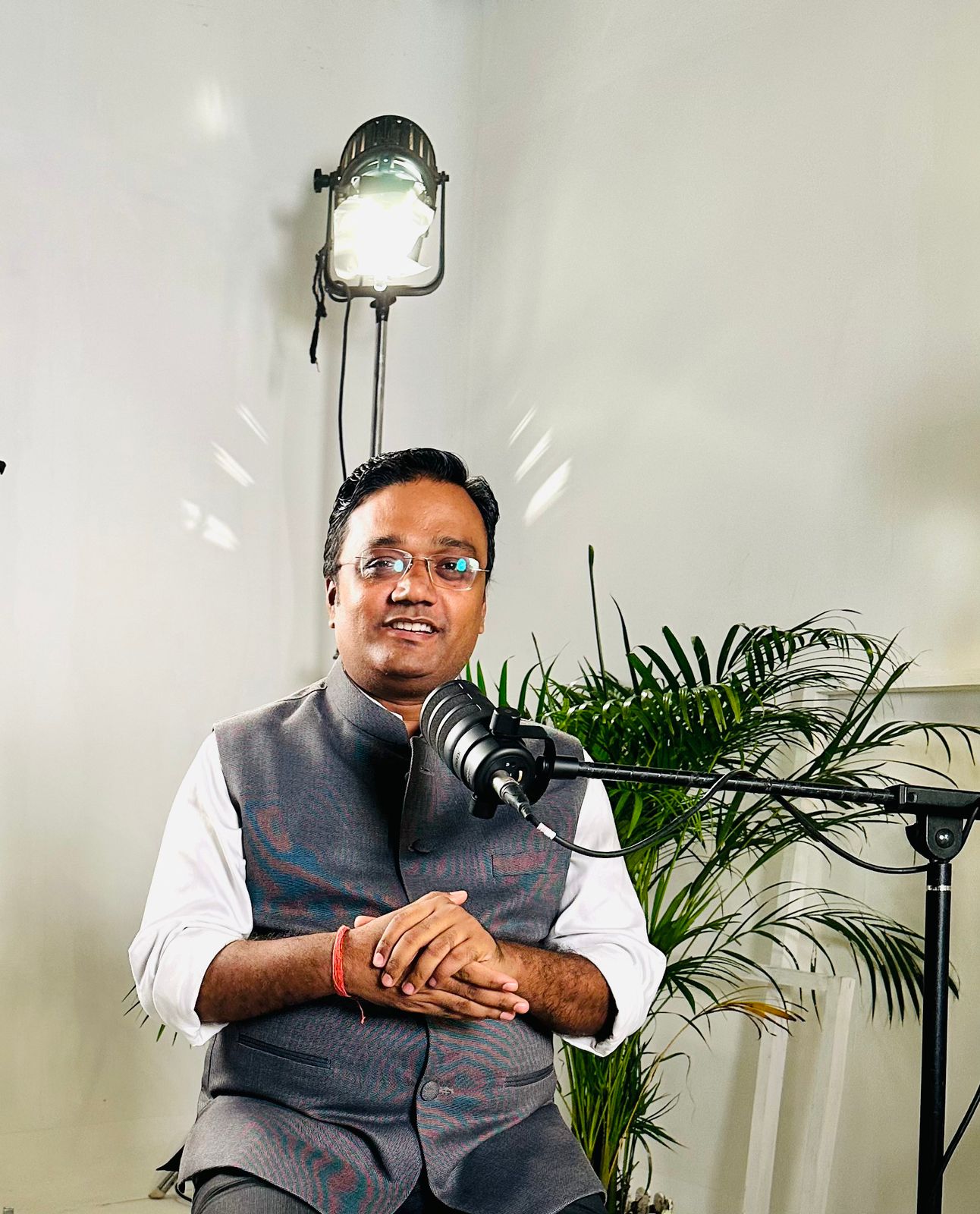 CA Manish Mishra
- Starting Up
CA Manish Mishra is the Co-Founder & CEO at GenZCFO. He is the most sought professional for providing virtual CFO services to startups and established businesses across diverse sectors, such as retail, manufacturing, food, and financial services with over 20 years of experience including strategic financial planning, regulatory compliance, fundraising and M&A.